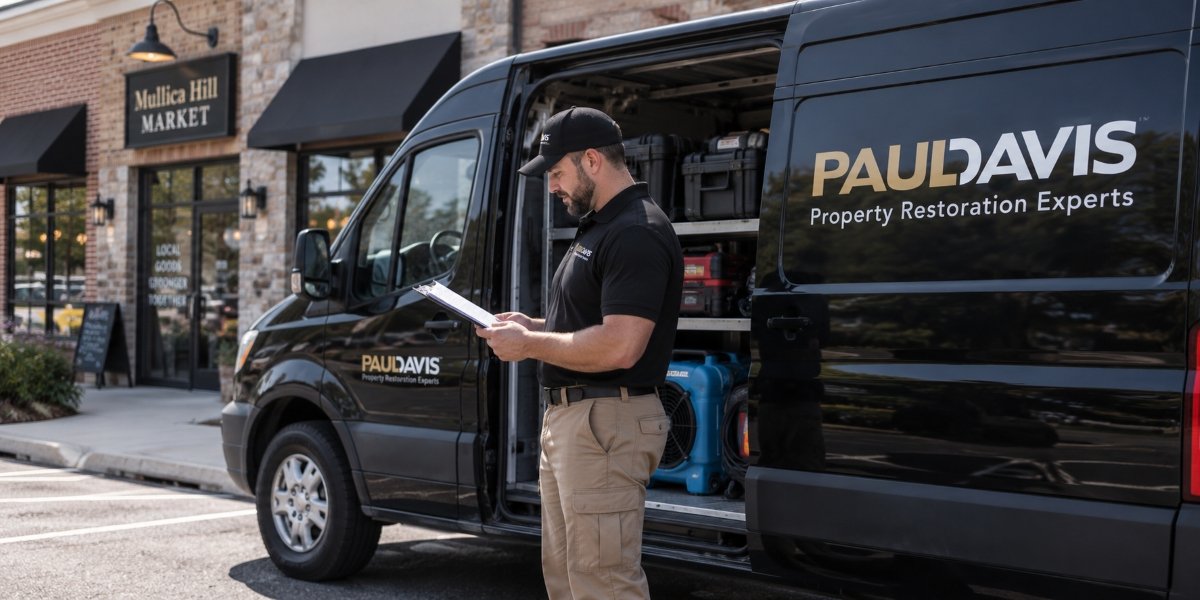
Business owners working in equipment financing for logistics and trucking face funding challenges that are easy to overlook in a generic conversation about small business lending, but that become obvious the moment you look closely at how this specific type of business actually generates revenue and incurs cost. Understanding those specific patterns, rather than applying a one-size-fits-all approach to funding, is the first step toward choosing a financing structure that actually fits. Information on fundivi’s equipment financing loans shows how one lender structures financing around the purchase of a specific vehicle or fleet.
Why This Challenge Is Different
Logistics and trucking companies operate in an industry where fleet size and vehicle condition directly determine how much freight a company can move, and therefore how much revenue it can generate in a given period. An aging fleet, or a fleet too small to meet growing demand from existing clients, represents a hard ceiling on a logistics company’s growth, regardless of how strong its client relationships or operational efficiency might otherwise be.
A Second Layer to the Same Problem
Financing new or replacement vehicles, rather than paying for them entirely out of working capital, allows a logistics company to expand or modernize its fleet while preserving the cash needed to cover fuel, driver pay, and the many other ongoing costs of running a trucking operation. This becomes especially important during periods of freight demand growth, when a company may need to add capacity quickly to capture new business before a competitor with more available equipment does so instead.
How fundivi Approaches This Need
fundivi’s underwriting evaluates current business performance rather than relying solely on years of operating history or extensive collateral. That approach can suit businesses whose funding needs are tied to a specific, identifiable pattern rather than a generic, open-ended request for capital. Reviewing how logistics companies use bridge capital to cover carrier payments gives a clearer sense of how this specific type of funding is structured and what it is designed to address.
The application itself typically takes a few minutes to complete. A secure connection to the business’s bank account or financial data takes the place of the extensive paperwork a traditional bank loan would require, and fundivi reports that decisions can often come within hours rather than the weeks a conventional loan process might take. Speed matters considerably for a business facing a need tied to a specific, time-sensitive pattern rather than a flexible, open-ended timeline.
Choosing the Right Structure for Your Specific Situation
Not every funding need calls for the same structure, and it is worth taking a moment to confirm that the product you are considering actually matches your situation before applying. Reviewing how to qualify for equipment financing can help clarify the specific qualification criteria and underwriting approach involved, so you know what to expect and what to prepare before starting an application.
Business owners who are still weighing this specific product against a broader set of options can also review fundivi’s full range of business loans, which provides useful context for comparing structures side by side rather than committing to the first product that comes to mind. Taking this extra step before applying tends to produce a better match between the funding structure chosen and the actual underlying need driving the application in the first place.
Planning Ahead Rather Than Reacting
Business owners who recognize the specific funding pattern tied to their type of business, and who plan for it proactively rather than only seeking capital once a cash flow problem has already become urgent, often end up with a wider range of options and can sometimes secure more favorable terms than those applying reactively. This is particularly true for funding needs tied to a predictable pattern, such as a seasonal cycle or a recurring timing gap, since a lender can evaluate a well-documented, foreseeable pattern more favorably than an unexplained, last-minute request.
Building a habit of reviewing your business’s specific cash flow pattern periodically, rather than only thinking about funding when a specific need has already become pressing, puts you in a stronger position every time a genuine funding decision does arise. Many business owners find it useful to identify, in advance, which funding structure they would turn to for each of their business’s recurring patterns, so that when the moment actually arrives, the decision has already been made and only the application itself remains.
What Lenders Actually Look For in This Situation
When a lender evaluates a funding request tied to the specific pattern described above, the strongest applications tend to share a few common qualities. Clear, verifiable revenue and cash flow data, reviewed directly through connected bank account information rather than self-reported figures, gives an underwriting engine the clearest possible picture of a business’s actual current performance. A specific, well-documented explanation of how the funding will be used, rather than a vague general purpose, also tends to move an application through underwriting more smoothly, since it allows the lender to evaluate the request against its actual intended use rather than guessing at the underlying need.
Business owners in equipment financing for logistics and trucking who come to the application process with this kind of clarity, having already identified the specific pattern driving their need and gathered the documentation that supports it, often find the path from application to funding faster and more straightforward than those applying with only a general sense that more capital would help. This preparation costs relatively little time upfront but can shorten the overall process and may improve the terms ultimately offered, which matters just as much for a smaller, routine funding need as it does for a larger, more consequential one.
Avoiding Common Missteps
One common misstep is waiting too long to address a funding need that was, in retrospect, entirely predictable. Business owners who recognize a recurring pattern in their operations, whether tied to seasonality, a specific client payment cycle, or a recurring equipment or staffing need, but who nonetheless wait until the pressure becomes acute before seeking funding, generally end up with fewer options and less favorable terms than those who plan ahead. Recognizing a pattern once is useful; building a standing plan around it is considerably more valuable over the long run.
A second common misstep is choosing a funding structure based on availability or familiarity rather than genuine fit. A business owner who has used one particular type of funding before may default to it again out of habit, even when a different structure would actually serve the current need better. Taking a few extra minutes to confirm that a given product’s structure, repayment schedule, and underwriting approach genuinely match the situation at hand, rather than assuming the familiar option is automatically the right one, can lead to better outcomes over time, both in terms of total cost and in how comfortably the resulting payments fit alongside the business’s other ongoing obligations.
Preparing to Apply
Business owners whose situation matches the challenges described here can start by reviewing the product details linked throughout this article and confirming that the structure fits their equipment need. Because the application itself takes only a few minutes, the most time-consuming part is usually gathering recent bank statements, a firm equipment quote, and a clear description of how the funds will be used. A decision based on a business’s actual numbers can also give far more clarity than continued research alone.
Frequently Asked Questions
How is this type of funding specifically evaluated during underwriting?
Underwriting generally focuses on your business’s current revenue and cash flow performance, along with any specific documentation relevant to the particular funding need described above.
How quickly can funding be delivered once an application is submitted?
Because the underwriting process relies on real, verified data rather than extensive manual document review, decisions can often be reached within hours, with funding following shortly after an offer is accepted.
Does this type of business need a long operating history to qualify?
Qualification depends primarily on the strength and consistency of current revenue rather than years in operation, so newer businesses with strong performance can often still qualify.
What happens if my specific situation changes after I apply?
Business owners should communicate any significant change in circumstances to their lender promptly, since this may affect the specific terms or structure of an active application.
Where can I compare this option against other funding structures?
Reviewing fundivi’s broader range of funding products alongside the specific option discussed here can help confirm which structure actually fits your business’s situation before you commit to an application.
Disclaimer: This article is provided for general informational and educational purposes only and does not constitute financial, legal, accounting, tax, or investment advice. Equipment financing and other business financing products involve costs, repayment obligations, eligibility requirements, and risks that may vary depending on the lender, financing product, business, and equipment being financed. Approval, funding amounts, interest or factor rates, fees, repayment terms, collateral requirements, and other conditions are subject to the applicable lender’s underwriting and financing agreement. Businesses should carefully review all financing terms and consider consulting a qualified financial or professional adviser before making a financing decision. Information regarding fundivi and its financing products is based on information provided or published by the company and may change over time. Nothing in this article guarantees approval, funding, favorable terms, faster processing, or any particular business or financial outcome.