Vietnam has rapidly become one of Southeast Asia’s most dynamic economies and a top destination for global travelers. Whether you are an expatriate finishing a work contract, a foreign investor looking to realize profits, or a tourist concluding a dream vacation, dealing with the local currency is an inevitable part of the journey. However, unlike major reserve currencies, the Vietnamese Dong (VND) is subject to strict foreign exchange controls.
Navigating the financial landscape requires a clear understanding of the local regulations. Failing to adhere to repatriating Vietnamese Dong rules can lead to confiscation of funds, heavy fines, or significant delays at the border. This guide breaks down exactly what you need to know to move your money safely and legally.
The Golden Rule: Cash Limits on Exit

Photo: Unsplash.com
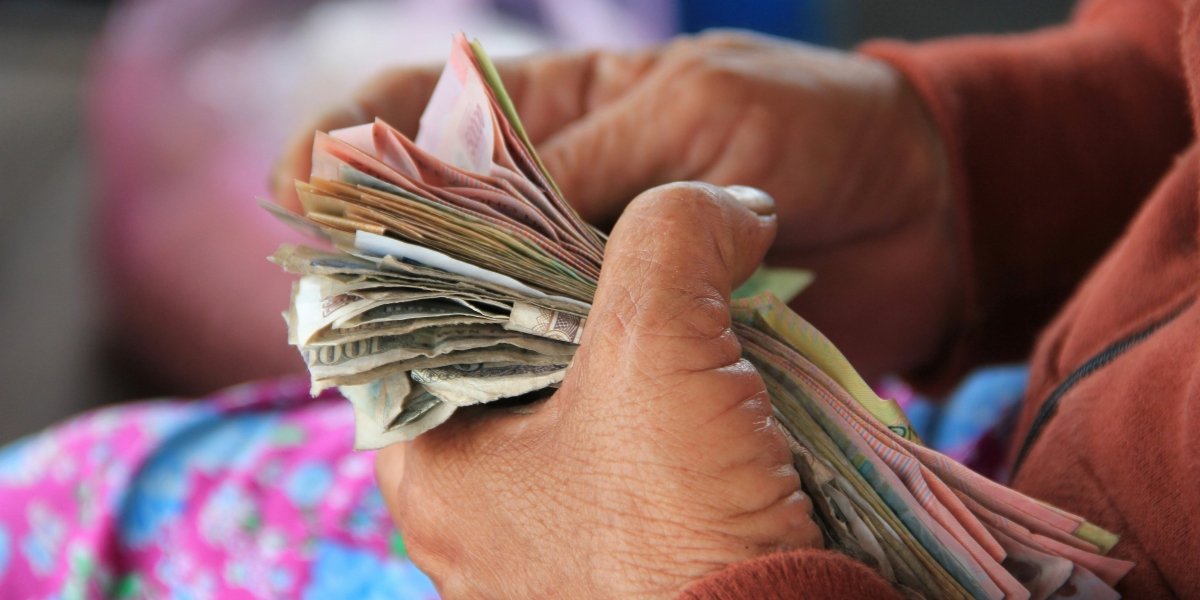
The most immediate concern for most travelers is the physical cash they are carrying. The State Bank of Vietnam enforces specific limits on how much currency you can take out of the country without prior declaration. It is a common misconception that you cannot take money out; in reality, you can, provided you follow the declaration protocols.
According to current regulations (Circular 15/2011/TT-NHNN), individuals leaving Vietnam must declare their cash to Customs if they are carrying amounts in excess of:
- 5,000 USD (Five thousand United States Dollars) or other foreign currencies of equivalent value.
- 15,000,000 VND (Fifteen million Vietnamese Dong).
If you are carrying less than these amounts, you generally do not need to make a declaration. However, if you exceed these limits, you must present papers to Customs. This typically requires a confirmation from an authorized credit institution (a bank) stating that the money was legally obtained or withdrawn for the purpose of taking it abroad.
Bank Transfers: Moving Money Digitally
For larger sums, carrying cash is neither safe nor practical. Most expatriates and investors rely on international bank transfers. However, you cannot simply log into a local banking app and wire unlimited funds overseas. Vietnam’s banking system requires proof of the “purpose” of the transfer.
For Expatriates and Foreign Employees
Foreigners working in Vietnam are legally allowed to remit their salaries abroad. To do this, you must visit your bank branch in person and provide specific documentation. The bank will typically require:
- A valid passport and visa or Temporary Residence Card (TRC).
- A valid labor contract.
- Proof of income, such as pay slips.
- Proof that taxes on the income have been paid (Personal Income Tax finalization).
Once these documents are verified, the bank can transfer the funds to an overseas account in your name or to a beneficiary.
For Foreign Investors
Investors face a different set of repatriating Vietnamese Dong rules. The Law on Investment allows foreign investors to transfer profits, capital, and other legal assets abroad. However, this usually can only happen after the investor has fulfilled all financial obligations to the Vietnamese state, including tax payments.
Crucially, profit remittance is generally done annually after the end of the fiscal year and after audited financial statements have been submitted to tax authorities. Trying to move investment capital out prematurely or without tax clearance is a common pitfall that leads to frozen transactions.
Planning Ahead: Currency Exchange Challenges

Photo: Unsplash.com
One of the most important aspects of managing your money in Vietnam is understanding that the Dong is a non-convertible currency outside of the country. This means that once you leave Vietnamese soil, it is incredibly difficult to exchange your leftover Dong for Dollars, Euros, or Pounds.
Travelers often find themselves with millions of Dong left in their pockets at the airport. It is highly advisable to convert your VND back to a major currency like USD before you pass through immigration. If you are preparing for your trip and want to secure currency beforehand to avoid airport hassles, you might look for reliable exchange services. You can read more about how to find Vietnamese Dong in our guide to preparing your travel wallet effectively.
Documentation and Compliance
Whether you are carrying cash or sending a wire transfer, paper trails are your best defense against legal issues. The Vietnamese banking system is bureaucratic, and “knowing someone” rarely bypasses the need for a stamped document. Always keep receipts of your ATM withdrawals, currency exchange slips from gold shops or banks, and income statements.
If you attempt to leave the country with undeclared cash exceeding the limits, Customs officers have the authority to confiscate the excess amount and issue administrative fines. In severe cases involving very large sums, criminal charges for smuggling could apply.
In Summary
Repatriating funds from Vietnam is entirely possible, but it is not a process to be taken lightly. By respecting the 15 million VND cash limit, utilizing authorized banking channels for salary remittances, and ensuring all tax liabilities are settled, you can ensure a smooth transition of your assets. Always convert your leftover cash before you fly, and keep your paperwork organized to avoid last-minute surprises at the border.
Disclaimer: The perspectives shared are based on publicly available data and should not be considered financial advice. Currency markets and economic conditions can change rapidly, and readers are encouraged to consult financial professionals or conduct independent research before making any investment decisions.