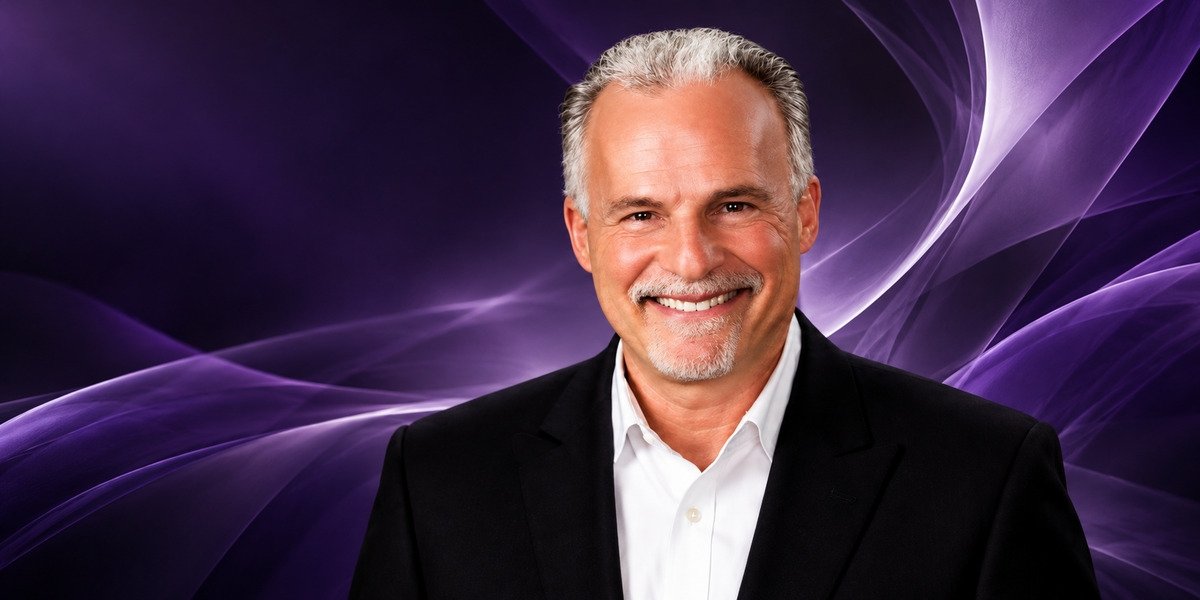
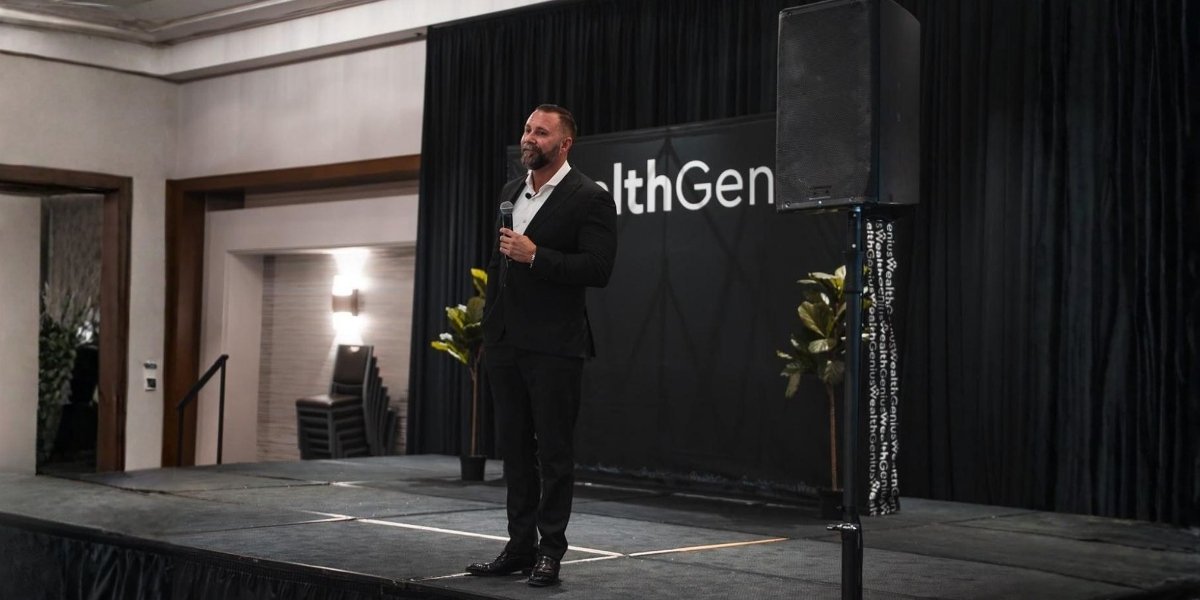
For most founders running growing companies, organizational change has become one of those priorities everyone talks about and very few people feel confident executing well. Initiatives launch with energy, teams rally around new strategies, and then somewhere along the way momentum fades. A year later, companies often find themselves back where they started. That recurring cycle is the problem Michael Lopez set out to solve.
As the founder of Michael J. Lopez Consulting, Lopez has built a practice that approaches transformation less like traditional consulting and more like behavioral science applied to real business environments. The focus is not just on strategy decks or executive messaging, but on understanding how people actually adapt to change under pressure.
What separates his work from much of the broader consulting and executive advisory market is the combination of operational experience and behavioral insight behind it. His methodology draws heavily from neuroscience and behavior-change research, and it is also informed by a national study featured by Reuters examining how employees experience organizational change inside modern organizations.
The Real Story Behind Michael J. Lopez Consulting
Lopez did not arrive at this work through a typical motivational or coaching background. Before launching his own firm, he spent two decades inside major consulting and advisory organizations, including Managing Director roles at EY and KPMG, along with senior leadership positions at Booz Allen Hamilton, Prophet Brand Strategy, and Smiths Interconnect. Earlier in his career, he also served as an Intelligence Officer in the U.S. Intelligence Community, including operations-center work inside the Defense Intelligence Agency.
That combination of strategic advisory experience and operational exposure shapes the way he approaches transformation work today.
Through Michael J. Lopez Consulting, Lopez has worked with organizations including Entergy, Energy Northwest, Compass Healthcare, and the California Housing Finance Agency. Earlier in his career, while working with previous firms, he also supported organizations such as Clorox, Vanguard, Meta, Lyft, Salesforce, DoorDash, Edward Jones, Southwest Gas, Colgate, and the U.S. Air Force.
The Reuters-Featured Study That Changed The Conversation
One of the projects that has most defined Lopez’s work is a national study of 1,000 American workers examining the gap between how organizations communicate change and how employees actually adapt to it. The findings, later featured by Reuters, pointed to a major disconnect between leadership messaging and lived employee experience.
Companies often communicate transformation initiatives with logic, structure, and strategic clarity. Employees, meanwhile, process those same changes through stress, uncertainty, identity, routine disruption, and cognitive overload. According to Lopez, that mismatch is one of the main reasons organizational change efforts so often lose traction.
For companies trying to improve execution and adaptability, the findings reframed a familiar frustration. Transformation failure is not always about weak leadership or poor strategy. In many cases, it reflects a deeper misunderstanding of how human behavior changes over time.
The research also became part of the foundation for Lopez’s book, CHANGE: Six Science-Backed Strategies to Transform Your Brain, Body, and Behavior, which translates neuroscience and behavioral research into practical tools leaders can actually apply.
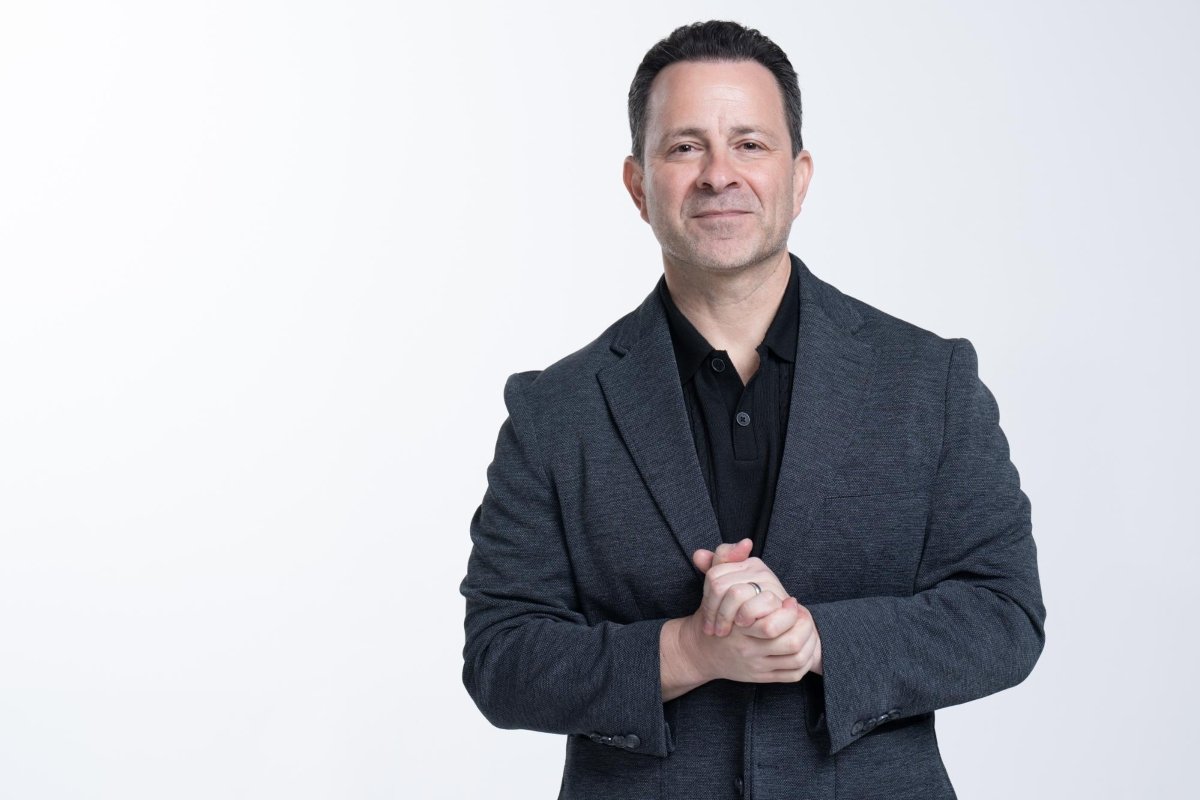
What Michael Lopez’s Advisory And Coaching Work Looks Like In Practice
Lopez’s work tends to focus on one core idea: sustainable transformation requires changing conditions and behaviors at the same time.
Rather than relying on generic change frameworks, his methodology emphasizes measurable behavioral shifts, environmental design, repetition, accountability, and systems that reinforce new patterns over time. The goal is not temporary motivation, but operationally sustainable change.
The Michael J. Lopez Consulting model is built around three primary areas of work. The first is organizational consulting, where Lopez supports companies navigating large-scale transformation initiatives and organizational change efforts. The second is executive advisory work for senior leaders managing high-stakes operational and strategic decisions. The third is direct one-on-one coaching, which Lopez handles personally in a highly selective and hands-on manner.
That last distinction matters to him. Rather than outsourcing engagements to a broader team, Lopez works directly with a limited number of leaders each year. The coaching relationship functions less like traditional executive coaching and more like ongoing strategic counsel during periods of significant change and pressure.
What connects all three areas is a consistent philosophy: build the right conditions for behavioral change, measure what is working, and adjust with discipline.

Why Michael Lopez Keeps Surfacing In Executive Conversations
The growing interest in Lopez’s work reflects a broader shift happening inside corporate leadership. Companies are facing AI-induced disruption, tighter operational scrutiny, and increasing pressure to execute transformation initiatives successfully the first time. In that environment, organizations are becoming more selective about the kinds of advisory partners they bring into critical change efforts.
Lopez has built visibility steadily rather than aggressively. He is a LinkedIn Top Voice, host of The Top Voice Podcast, a member of the Forbes Business Council, and has been featured by Reuters for his work on organizational change and behavioral transformation. He also serves on the Positive Coaching Alliance Leadership Council and continues coaching high school football, an experience that clearly shapes how he thinks about leadership and performance. His approach tends to center on repetition, accountability, honest feedback, and consistent execution rather than motivational theatrics.
For founders, boards, and executive teams evaluating transformation partners, Michael J. Lopez Consulting has positioned itself differently from many firms in the category. Less focused on buzzwords. More focused on whether the change actually holds once the pressure returns.