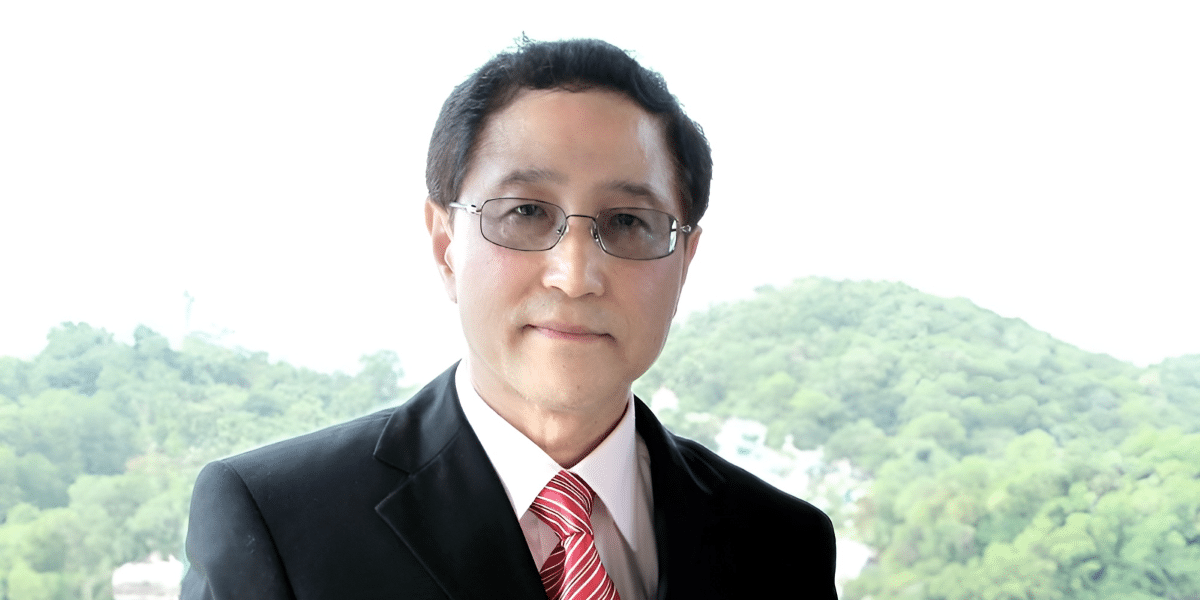
Academics, teachers, and administrators significantly influence people through their instruction, administration, and mentorship of the next generation of leaders and intellectuals. They teach analytical skills, intellectual curiosity, and vital information. While their mentoring offers individualized direction, helping students negotiate academic hurdles and professional routes and eventually contributing to society’s growth and well-being, their administrative functions assure educational quality and innovation. In the dynamic landscape of academia and administration, few figures have had a more profound impact than Dr. Jun Xing. His work spans many decades and includes substantial contributions to cultural history, social justice education, and cross-cultural competence. Dr. Xing, a prominent researcher, educator, and administrator, has made a mark on higher education institutions in the U.S., Hong Kong, mainland China, and worldwide.
Jun Xing was born in Beijing, China on February 12, 1955. Beginning with a Bachelor’s degree in English and Literature from Shanghai Foreign Studies University, he then earned a Master’s degree in American Studies from Beijing Foreign Studies University. Xing served as a diplomat for China’s Ministry of Foreign Affairs before joining academia. He was the senior secretary for Huang Hua, China’s Foreign Minister and Vice-Chairman of the National People’s Congress. This career stage gave him a different viewpoint on cross-cultural interactions and international relations, which would later guide his academic work.
Xing’s transition from diplomacy to academics marked a meaningful change. His urge to explore further into the cultural and educational spheres led him to the United States, where he earned a Ph.D. from the University of Minnesota in Twin Cities. This transition also marked the beginning of his influential and extensive career in academia. Xing’s early academic roles established the foundation for his outstanding career. He started with fellowships at Carleton College and Emory University, where he honed his research skills and acquired a desire to teach. These experiences prepared him for his subsequent work at Colorado State University, where he contributed as a professor and administrator. He was Chair of the Asian Studies Program at Colorado State University before becoming Director of the Center for Applied Studies in American Ethnicity.
Xing’s academic career continued with notable administrative positions at various schools. He was the Director of the Office of General Education at Hong Kong Polytechnic University, where he was instrumental in developing the university’s general education programs. Later, as Dean of Undergraduate Studies at California State University, Los Angeles, Xing exhibited leadership in curriculum creation and academic program administration. His four years of leadership as dean helped the university’s smooth transition from a quarter to a semester academic system.
One of Jun Xing’s most important contributions to academia was his creative approach to curriculum development. His work was on developing curricular programs that emphasized the baccalaureate core and general education, ensuring students received a well-rounded education. Xing supported cross-cultural competence and diversity training, incorporating these concepts into the curriculum to educate students in a globalized environment.
Xing also led several university’s institutional efforts in academic program assessment and accreditation, enforcing strict requirements to meet established quality standards and relevance. His commitment to civic education and service learning demonstrated the significance of involving students in community service and instilling a sense of social responsibility. Furthermore, Xing advocated for international education and global citizenship, sponsoring initiatives that help students acquire a global perspective and awareness of many cultures.
Jun Xing’s academic work influenced several subjects, including social justice education, race and ethnicity, and the history of cultural interactions between the United States and China. Among the many honors for his intellectual accomplishments are the Andrew W. Mellon Fellowship, a National Endowment for the Humanities Grant, and a Senior Fulbright Fellowship. Xing’s scientific contributions have enhanced scholarly debate and offered an understanding of crucial social issues.
Xing’s research has concentrated on complex topics such as the American social gospel’s influence on the Chinese YMCA and how it shapes popular culture’s portrayal of race and ethnicity; peer-reviewed journals and books have included his work, therefore establishing him as a well-known investigator in his field of studies. Xing’s commitment to furthering knowledge and understanding through rigorous study has had a lasting impression on academics, earning excellent reviews from fellow academics and the general public.
Dr. Jun Xing’s impact goes beyond his teaching and research. He has held key leadership roles in several academic and international organizations, helping establish and execute educational policies and initiatives globally. As Vice President for Academic Programs of the United Board for Christian Higher Education in Asia, Xing led projects to enhance educational quality and cross-cultural understanding in Asian higher education institutions. His leadership was crucial in encouraging university collaboration and improving regional educational quality.
In addition to his administrative positions, Xing has been an active member of many academic societies. Sitting on the National Commission on Civic Education and Service Learning, he helped set guidelines for integrating civic participation into college courses. He also participated on the Steering Committee for the Global Citizenship Curriculum in Higher Education, influencing worldwide educational norms and practices. These positions enabled Xing to impact educational policy, ensuring a larger audience heard his creative ideas.
Jun Xing is also a prominent speaker, often invited to deliver public lectures internationally. He has given keynote speeches at prominent conferences and symposiums globally, sharing his knowledge on international service learning, civic education, and cross-cultural proficiency. His remarks often emphasize the value of global citizenship and the significance of education in promoting social fairness and cultural understanding.
Examining the impact of international service learning on civic education in the United States and China, one of his most unforgettable keynote presentations was delivered at Beijing Language and Culture University. Emphasizing the necessity of academic institutions to fit the needs of a worldwide society, his presentation on the globalization of higher education curriculum at the Pacific Rim Conference on Education in Taipei in the scholarly community, Xing has become well-known and well-respected for his clear and engaging approach of preparing 21st century global citizens.
Over his professional life, Jun Xing has received several honors and awards for his services to academia and education. His induction into the Phi Kappa Phi Honor Society portrays his intellectual ability and commitment to learning. The Association of American Colleges and Universities (AAC&U) awarded him for his contributions to higher education—mainly in civic engagement and service learning. He has often been invited to conduct editorial and manuscript reviews by academic publishers. He also serves on several editorial boards, including the Journal of US-China Education Review.
Xing also studied cultural exchanges between the United States and China under a Fulbright fellowship at Peking University. His appointment to the Oxford Roundtable reinforces his reputation as a recognized scholar and educator. Furthermore, the British Economic and Social Research Council (ESRC) acknowledged his work with a renowned grant to further his study on global citizenship education. These recognitions demonstrate Xing’s commitment to spreading knowledge and improving educational processes across the globe.
The career of Dr. Jun Xing shows his dedication to social justice education, and cultural understanding. From his early diplomatic job to academic responsibilities, Xing has shown a passion for learning and a will to change the world. Education has been influenced by his contributions to curriculum development, extensive research on important social issues, and leadership in academic and international organizations.
Published By: Aize Perez