The choices a man makes today rarely affect only today.
They shape the husband he may become, the father his children may know, the leader others may rely on, and the person he will eventually see when he looks back at his own life.
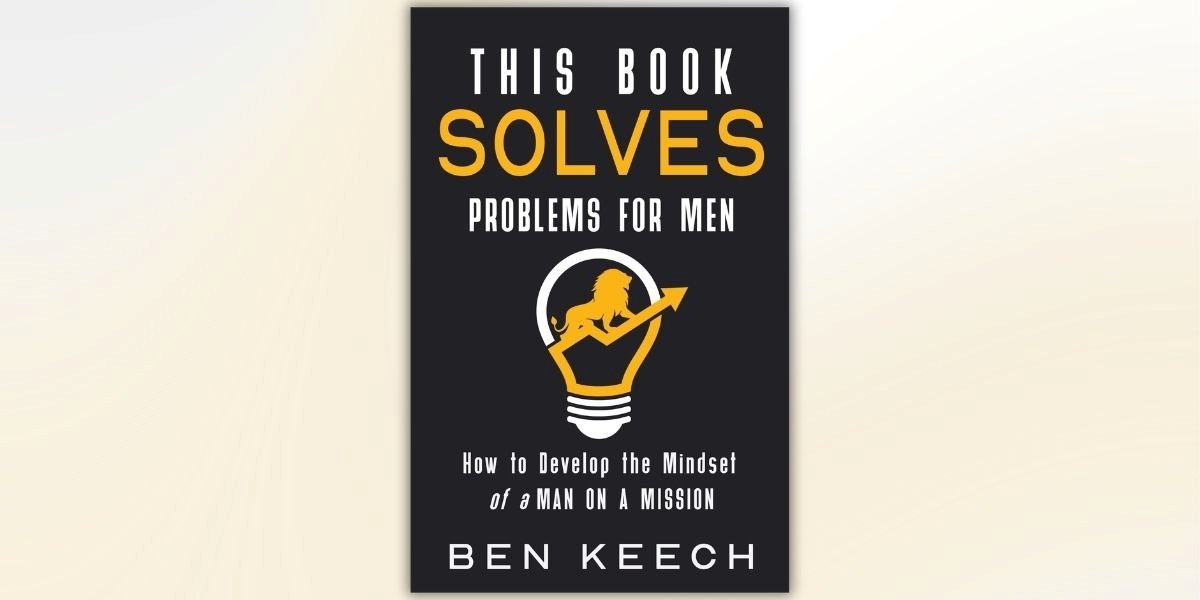
That long-term view is at the heart of Ben Keech’s upcoming book, This Book Solves Problems for Men, launching October 19. Rather than focusing on one isolated area of life, Keech explores the decisions, habits, relationships, responsibilities, and experiences that influence a man from boyhood through adulthood.
His message is simple but demanding: men should consider not only what they want now, but who their current choices are preparing them to become.
Decisions Create More Than Immediate Consequences
Many of the most important decisions in life are made before their full significance is obvious.
Habits formed early can follow a man into marriage. The way he handles conflict can shape future relationships. His willingness to accept responsibility can affect his family, career, and leadership. Even the way he responds to rules, authority, setbacks, and temptation can become part of a much larger pattern.
Keech’s perspective challenges men to think beyond immediate outcomes.
Instead of asking only whether a decision works in the moment, his work encourages a different question: What kind of man is this decision helping create?
That idea runs throughout This Book Solves Problems for Men. The book examines how character is built over time and why personal growth often requires men to confront areas of life they would rather ignore.
Character Over Appearance
Keech places particular emphasis on the difference between building character and maintaining appearances.
For men, external markers of success can be easy to recognize. Career progress, money, influence, physical strength, or social status are all visible.
Character is often much quieter.
Humility, courage, responsibility, consistency, and dependability are usually proven over time, particularly when life becomes difficult.
Keech’s broader argument is that the strongest version of a man is not necessarily the one who looks successful from the outside, but the one whose habits and decisions make him trustworthy to the people around him.
That includes the people already in his life and, importantly, the people he has not met yet.
A future spouse, child, employee, friend, or business partner may eventually experience the consequences of choices being made years before that relationship begins.
Relationships Reveal What a Man Has Built
Relationships are another major focus of Keech’s work.
His intake for the book reflects experiences across marriage, divorce, parenting, friendship, finances, career decisions, and conflict resolution. Rather than presenting those experiences as evidence of a perfect life, Keech frames his perspective around what can be learned from navigating complicated ones.
That distinction matters.

The goal of This Book Solves Problems for Men is not to present a flawless model of manhood. It is to examine how men respond to problems, consequences, responsibility, and change.
Keech also explores the role relationships play in personal development. Men do not become husbands, fathers, leaders, or dependable friends in isolation. Those roles expose habits, weaknesses, strengths, and patterns that may have developed years earlier.
In that sense, healthier relationships begin long before a relationship is in crisis.
They begin with the kind of man someone is becoming every day.
The Environment Around Men Is Changing
Keech’s concerns also extend beyond individual habits.
Among the subjects he identifies are technology, video games, social norms, rebellion, rules, parenting, and the changing environment in which boys and men are developing.
These topics can easily become debates about whether modern culture is better or worse than previous generations. Keech’s broader focus, however, is more personal.
Regardless of the environment, men still have to decide what influences deserve their attention, what habits deserve to continue, and what kind of life they ultimately want to build.
Technology can shape routines. Social pressures can influence priorities. Childhood experiences can affect adult relationships. Rules can be rejected simply because they are rules.
But none of those influences removes personal responsibility.
For Keech, that responsibility is central to becoming a stronger man.

A Book Built Around the Long View
This Book Solves Problems for Men is designed around the idea that better futures are rarely created through one dramatic decision.
They are built through repeated choices.
The book addresses character, habits, relationships, leadership, family, humility, courage, responsibility, and purpose, all through the lens of how today’s behavior shapes tomorrow’s life.
Keech’s own bio reflects that same perspective. He describes his journey as one that has included both calm seasons and personal storms, along with lessons learned from other people, difficult situations, consequences, faith, and his own mistakes. Through those experiences, his faith in God has also helped shape how he thinks about purpose, responsibility, and the kind of man he wants to become.
That experience appears to have shaped the tone of the book itself.
Rather than positioning himself as someone who has avoided problems, Keech writes from the perspective of someone interested in helping other men navigate them more intentionally.
Becoming Someone Others Can Depend On
The central challenge behind Keech’s work is ultimately bigger than self-improvement.
It is about becoming someone other people can trust.
A stronger husband does not become one on his wedding day. A dependable father does not begin developing character when his first child is born. Leadership does not suddenly appear when someone receives a title.
Those roles reveal what has already been practiced.
That is why Keech’s message asks men to think farther ahead.
The people who may one day rely on them could already be affected by the choices they are making now.
This Book Solves Problems for Men launches October 19. Its premise is not that every problem has a simple answer, but that men can become better prepared to face them by developing stronger character, healthier habits, deeper responsibility, and a clearer sense of purpose before the moment demands it.