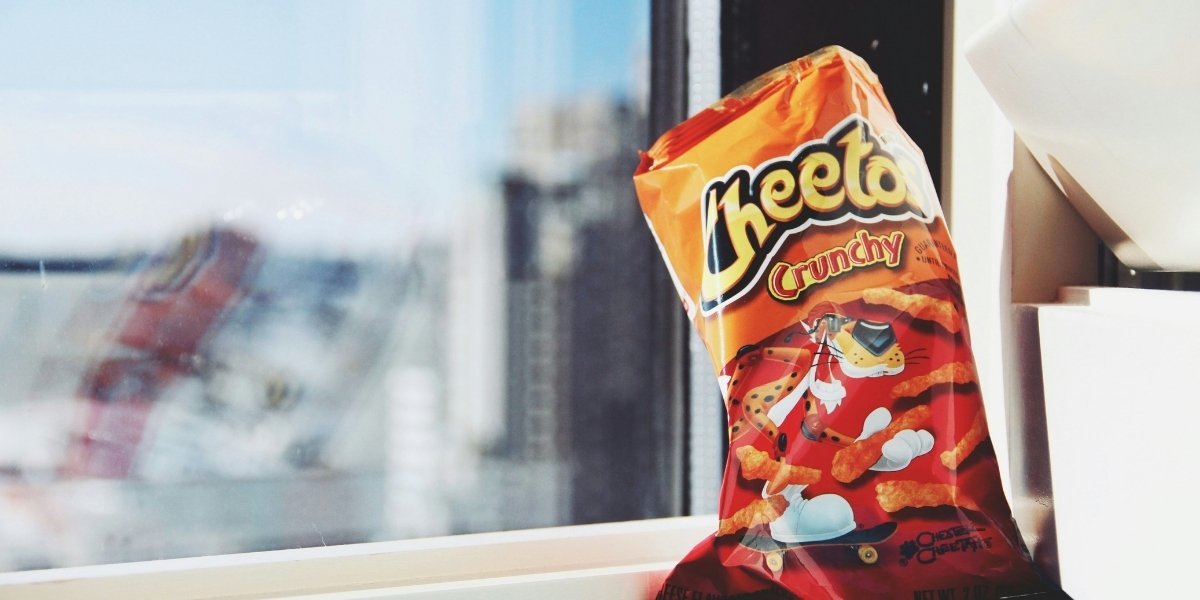
In a strategic move aimed at boosting accessibility and market share, PepsiCo has announced price reductions of up to 15 percent on several of its most popular snack brands, including Lay’s, Doritos, Cheetos, and Tostitos. Set to roll out in February 2026, these cuts come at a critical time, just before the Super Bowl, one of the year’s biggest snack consumption periods in the United States.
The price adjustments are designed to ease the pressure on consumers facing inflation and rising grocery costs, making PepsiCo’s products more attractive compared to store-brand alternatives. By offering a more affordable option, the company hopes to maintain its market leadership in an increasingly competitive snack market.
Timing of Price Cuts for Maximum Impact
PepsiCo’s price cuts come just before the Super Bowl, an event known for high snack consumption across the U.S. The company’s decision to align the price reduction with this peak demand period is a calculated move aimed at ensuring that Lay’s, Doritos, and other PepsiCo snacks are front and center in consumers’ shopping carts. By taking advantage of a highly visible time for food purchases, PepsiCo hopes to drive sales and reinforce brand loyalty.
The timing also speaks to the company’s awareness of seasonal consumption patterns, as many Americans turn to their favorite snack brands for game-day parties and gatherings. The reduction ensures PepsiCo products remain highly competitive in an environment where grocery bills have been steadily rising due to inflation and increased food prices.
Consumer Sentiment and Price Strategy
The decision to reduce snack prices is largely in response to consumer feedback highlighting the affordability challenges faced by shoppers. As inflation pushed up food prices in recent years, many consumers have opted for store-brand products that offer lower prices, affecting sales for premium brands like PepsiCo’s snacks. With this move, PepsiCo is working to reclaim market share by appealing to price-sensitive consumers without compromising product quality.
PepsiCo’s announcement signals that the company is listening to the concerns of households, many of which are still feeling the financial strain caused by rising living costs. The strategy is centered on making popular snack products more accessible, ensuring that they remain a choice for consumers looking to balance quality and cost.
Competitive Pressures in the Snack Market
The pricing decision reflects broader trends in the food and beverage industry. With private-label snacks gaining traction during inflationary periods, PepsiCo’s move to cut prices is seen as a way to differentiate its premium offerings from the growing selection of store-brand snacks available on supermarket shelves.
While competitors like Mondelez have maintained steadier pricing for their products, PepsiCo’s strategy may spark shifts in pricing models across the snack food industry. This could potentially prompt other major snack brands to follow suit if PepsiCo’s move proves successful in attracting more budget-conscious shoppers.
Risks of Price Reductions for PepsiCo
Although the price cuts are expected to drive sales, they come with certain risks. Lowering prices could result in reduced profit margins, particularly if higher volumes do not fully offset the lower per-unit revenue. PepsiCo will need to monitor how the increased sales volume impacts its overall financial performance to determine whether the price cuts have the desired effect on long-term profitability.
Another challenge is that consumer expectations may change. Once prices are reduced, customers may expect these lower prices to remain, making it difficult for PepsiCo to raise prices in the future without facing backlash. This creates a delicate balance between offering competitive pricing and maintaining brand value in the long run.
Consumer Reactions and Market Outlook
Retailers have welcomed PepsiCo’s decision to lower prices, anticipating that lower costs could lead to increased foot traffic and larger basket sizes during key shopping periods like the Super Bowl. Social media reactions have been positive, with shoppers sharing images of the newly discounted snacks in stores. Many consumers have expressed satisfaction at being able to purchase branded snacks like Lay’s and Doritos at prices competitive with store brands, highlighting the importance of affordability in today’s market.
PepsiCo’s price adjustments may be the first in a larger trend, as the company responds to a marketplace where consumers are more cautious about spending. The company’s actions reflect an understanding of current economic realities and demonstrate an ability to adapt to changing consumer demands. The long-term impact of this strategy will depend on whether the price reductions lead to sustained customer loyalty and how PepsiCo manages future pricing adjustments.