Surveillance cameras are no longer just a fixture in high-security zones or retail storefronts, they’ve become a defining feature of modern security strategies across the U.S. From small businesses to large-scale logistics hubs, and from suburban homes to urban apartment complexes, the presence of surveillance cameras is shaping how Americans think about safety, accountability, and operational control.
This shift isn’t just about more cameras, it’s about smarter ones. With AI-powered analytics, cloud-based storage, and real-time mobile access, surveillance cameras are evolving into proactive tools that do more than record, they interpret, alert, and even predict.
Why Surveillance Cameras Are Now a Business Essential
For business owners, surveillance cameras have moved from optional to essential. They’re not just about deterring theft, they’re about managing liability, monitoring operations, and protecting assets in real time. Whether it’s a restaurant tracking customer flow or a warehouse monitoring inventory zones, the ability to see what’s happening, and respond quickly, has become a competitive advantage.
This is especially true in industries where compliance and safety are non-negotiable. Construction firms, logistics providers, and healthcare facilities are using surveillance cameras to document procedures, verify protocols, and reduce insurance claims. The footage isn’t just for security, it’s part of the operational toolkit.
As noted in coverage of hardware solutions for business success, choosing the right surveillance system is now a strategic decision. It’s not just about resolution or storage, it’s about integration, scalability, and data intelligence.
AI Is Changing What Surveillance Cameras Can Do
The biggest leap in surveillance camera technology isn’t in the lens, it’s in the software. AI is enabling cameras to recognize patterns, detect anomalies, and trigger alerts without human input. That means fewer false alarms, faster response times, and smarter decision-making.
In retail, AI-enabled surveillance cameras can track foot traffic, identify peak hours, and even detect suspicious behavior. In office buildings, they can monitor access points and flag unauthorized entries. And in public spaces, they’re being used to support crowd management and emergency response.
This kind of functionality is reshaping how businesses think about surveillance. It’s no longer just about watching, it’s about understanding. And that understanding can lead to better outcomes, whether it’s reducing shrinkage, improving customer experience, or enhancing workplace safety.
Home Security Is Following the Same Path
The residential market is seeing similar trends. Homeowners are investing in surveillance cameras not just for break-in prevention, but for peace of mind. Doorbell cameras, motion-activated floodlights, and indoor monitoring systems are becoming standard features in many homes.
These systems are often integrated with smart home platforms, allowing users to check feeds, receive alerts, and even communicate through two-way audio, all from a smartphone. It’s a level of control that’s changing how people interact with their living spaces.
As discussed in reporting on home security technology, the evolution of surveillance cameras is part of a broader shift toward proactive, connected security. It’s not just about reacting to threats, it’s about staying ahead of them.
Privacy, Policy, and the Public Conversation
With the rise of surveillance cameras comes a parallel conversation about privacy. Businesses and homeowners alike are navigating questions about where cameras can be placed, how footage is stored, and who has access to it.
In some cities, regulations are being updated to reflect the growing presence of surveillance technology. Public-facing cameras may require signage, and footage retention policies are under review. For businesses, this means staying informed and ensuring that surveillance practices align with both legal standards and customer expectations.
There’s also a cultural shift underway. Consumers are becoming more comfortable with surveillance in exchange for safety and convenience, but they still expect transparency. Brands that use surveillance cameras in customer-facing environments are learning to communicate clearly about how and why the technology is used.
Surveillance Cameras as Operational Tools
Beyond security, surveillance cameras are being used to improve operations. In manufacturing, they help monitor production lines and identify inefficiencies. In hospitality, they support service quality by tracking wait times and staff interactions. In education, they’re used to enhance campus safety and monitor facility usage.
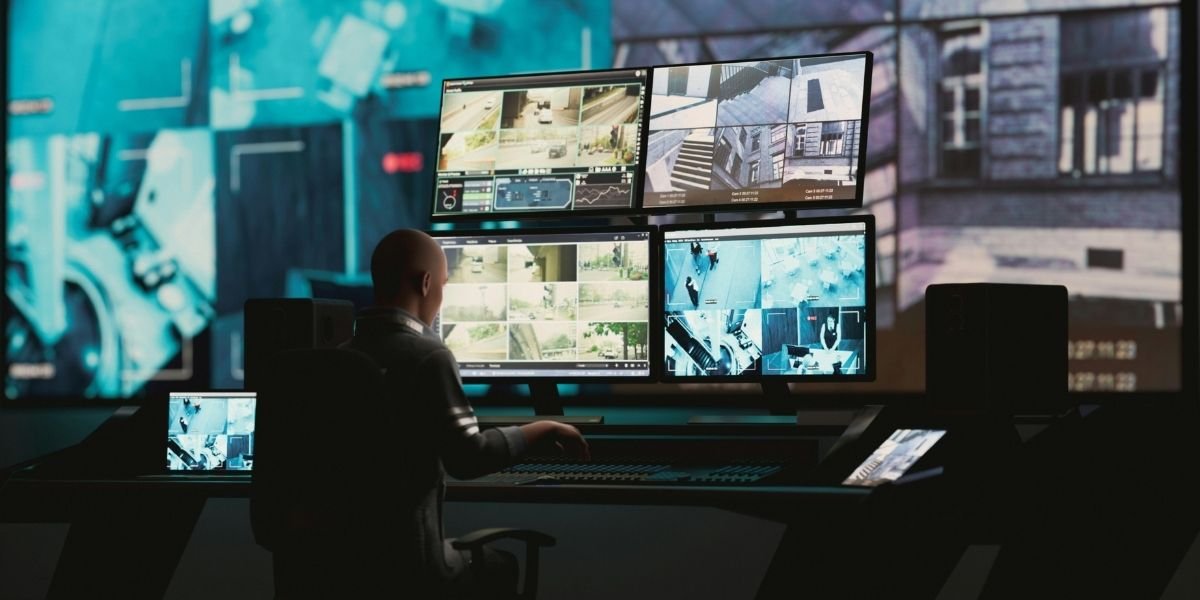
Photo Credit: Unsplash.com
This operational value is driving investment. Companies aren’t just buying cameras, they’re building systems that integrate with access control, lighting, and even HVAC. The goal is to create environments that are not only secure, but smart.
It’s a trend that mirrors broader shifts in enterprise technology, where tools are expected to serve multiple functions. Surveillance cameras are no longer standalone, they’re part of a connected ecosystem that supports business goals.
What Decision-Makers Should Watch Next
For executives and entrepreneurs, the question isn’t whether to invest in surveillance cameras, it’s how to do it strategically. That means evaluating needs, understanding capabilities, and choosing systems that can grow with the business.
It also means staying informed. The pace of innovation in surveillance technology is accelerating, with new features like facial recognition, license plate tracking, and behavioral analytics entering the mainstream. These tools offer powerful benefits, but they also come with ethical and operational considerations.
Decision-makers should also consider how surveillance fits into broader security strategies. Cameras are one piece of the puzzle, alongside access control, cybersecurity, and employee training. The most effective systems are those that integrate seamlessly and support both safety and efficiency.