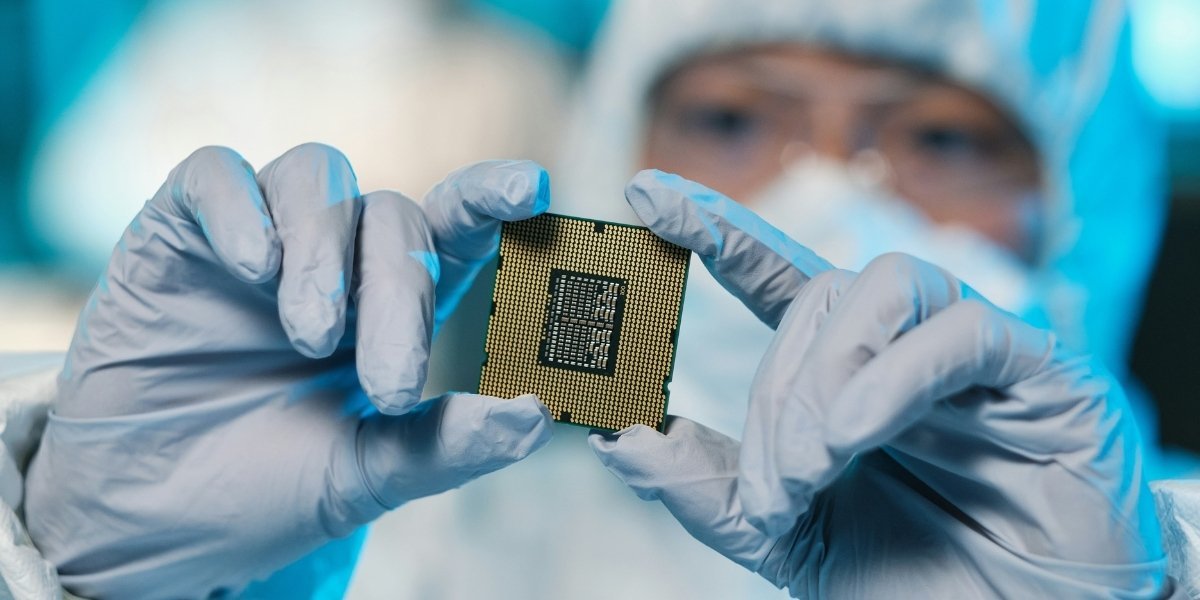
Domestic semiconductor production remains at the center of new industrial development plans after a manufacturing collaboration involving major technology and chipmaking interests was announced in the United States. The initiative focuses on expanding production capacity for advanced semiconductors within the country and brings together organizations seeking to strengthen local manufacturing capabilities for critical electronic components.
The announcement follows continued efforts by government agencies, manufacturers, and technology companies to increase the availability of domestically produced chips used in consumer electronics, artificial intelligence systems, communications equipment, automotive technology, and industrial applications. Industry participants stated that additional manufacturing cooperation is intended to support long-term production goals while reducing dependence on overseas fabrication facilities.
Domestic Semiconductor Production Capacity Expands Through New Collaboration
The newly announced collaboration centers on increasing semiconductor manufacturing activity within the United States through coordination between technology developers and domestic production facilities. Participants indicated that the arrangement is designed to support fabrication capacity for advanced chips while utilizing existing manufacturing infrastructure and future facility investments.
Semiconductors serve as essential components in a wide range of products, including smartphones, computers, cloud computing systems, networking equipment, vehicles, medical devices, and defense technologies. The ability to manufacture these components domestically has become a strategic priority for both public and private sector organizations.
Manufacturing expansion plans include efforts to improve production efficiency, increase output capabilities, and support future technology requirements. Industry representatives stated that collaboration between chip designers and manufacturing facilities can help accelerate production timelines while creating opportunities for additional investment in domestic operations.
The latest announcement reflects ongoing efforts to establish a stronger semiconductor supply chain within the United States. Manufacturers have continued evaluating production strategies that allow more advanced chips to be fabricated closer to end markets and major customers.
Federal initiatives supporting semiconductor manufacturing have also encouraged companies to consider additional domestic investments. Several large-scale fabrication projects announced in recent years remain under construction or are progressing through various stages of development across multiple states.
Semiconductors Remain Critical to Multiple U.S. Industries
The importance of semiconductor manufacturing extends beyond the technology sector. Chips are integrated into products used throughout the economy, making their availability a significant factor for manufacturers across numerous industries.
Automotive producers rely on semiconductors for vehicle control systems, safety features, navigation platforms, sensors, and electric vehicle technologies. Consumer electronics manufacturers require advanced processors and memory components to support new products entering the market.
Industrial equipment companies increasingly incorporate sophisticated semiconductor technologies into automation systems, robotics, and monitoring equipment. Healthcare providers and medical device manufacturers also depend on reliable semiconductor supplies for diagnostic tools, imaging systems, and connected medical technologies.
Demand for advanced computing infrastructure has further increased the need for high-performance semiconductors. Artificial intelligence applications, cloud computing services, and data center operations require substantial processing power supported by specialized chips.
Industry executives have stated that maintaining access to reliable semiconductor supplies remains a priority as technology requirements continue expanding across multiple sectors. Domestic manufacturing initiatives are intended to provide additional production resources capable of supporting future demand.
Production facilities located in the United States can also offer advantages related to logistics, supply chain management, and coordination between manufacturers and customers. Shorter transportation routes may reduce delivery times and improve responsiveness to changing market requirements.
Federal Support Continues to Shape Manufacturing Investment
Federal policy initiatives have played a significant role in encouraging semiconductor investment throughout the country. Legislative measures and incentive programs introduced during the past several years have provided financial support for manufacturing projects, research activities, workforce development efforts, and supply chain initiatives.
Government officials have repeatedly identified semiconductor production as a strategic industry due to its importance to economic activity, national security, technological development, and industrial competitiveness. Multiple agencies have participated in programs intended to increase domestic production capabilities.
Funding opportunities have encouraged manufacturers to evaluate new facility construction projects and expansion plans. Companies have announced investments in fabrication plants, packaging facilities, research centers, and supporting infrastructure in response to available incentives.
State governments have also participated in efforts to attract semiconductor-related projects. Economic development programs, workforce training partnerships, infrastructure improvements, and tax incentives have been utilized to support manufacturing investments.
Several regions have emerged as significant semiconductor hubs due to the concentration of facilities, suppliers, universities, and technical talent. States including Arizona, Texas, Ohio, and New York have attracted substantial investment commitments connected to semiconductor production and research activities.
Industry participants have noted that manufacturing projects often require extensive planning and construction timelines. Advanced fabrication facilities represent some of the most complex industrial developments undertaken within the manufacturing sector and require significant capital investment before production begins.
Technology Companies Seek Greater Supply Chain Resilience
Supply chain considerations continue to influence semiconductor manufacturing strategies across the technology industry. Companies have increasingly examined production networks to identify opportunities for improving resilience and reducing potential disruptions.
Semiconductor supply challenges experienced during recent years affected industries ranging from automotive manufacturing to consumer electronics. Production delays and component shortages demonstrated the importance of maintaining reliable access to chip supplies.
Manufacturers responded by reevaluating sourcing strategies and considering additional production locations. Some companies entered long-term supply agreements, while others pursued investments designed to expand manufacturing capacity closer to key markets.
Domestic production initiatives are intended to complement existing global manufacturing networks rather than replace them entirely. Industry participants continue to operate within an international supply chain that includes design, fabrication, testing, packaging, and distribution activities occurring in multiple regions.
The latest collaboration announcement reflects ongoing efforts to strengthen manufacturing capabilities while supporting customer requirements for advanced semiconductor technologies. Companies involved in chip production continue to seek approaches that balance efficiency, capacity, and supply chain stability.
Executives have indicated that partnerships between technology developers and manufacturing organizations can help align production plans with future product requirements. Coordination between these groups may support faster deployment of new semiconductor technologies while expanding manufacturing output.