US Business News

How Telecommunications Companies Select Phone Brands: Key Factors and Strategies


Telecommunications companies play a crucial role in the mobile phone industry by connecting consumers with the latest devices. Choosing which phone brands to partner with is a strategic decision that can impact a company’s market share and customer satisfaction. This article explores the factors telecommunications companies consider when selecting phone brands to partner with.

Understanding Market Demand

Telecommunications companies closely monitor consumer preferences to understand which phone brands are most popular. Surveys, focus groups, and sales data provide insights into what customers want in terms of brand, features, and price points. Companies aim to offer phones that meet these preferences to attract and retain customers.

Staying ahead of market trends is essential. Telecommunications companies analyze emerging technologies and design trends to anticipate consumer demand. Brands that innovate and set trends are often preferred partners because they can drive sales and generate excitement among consumers.

Evaluating Brand Reputation

The reputation and strength of a phone brand are significant factors in partnership decisions. Well-known brands with a strong market presence and positive customer perception are attractive to telecommunications companies. These brands often come with established customer loyalty, which can translate to higher sales.

Quality and reliability are critical considerations. Telecommunications companies prefer brands that consistently produce high-quality, durable phones. Reliable products reduce return rates and customer complaints, enhancing the overall customer experience and satisfaction.

Assessing Financial Viability

Profit margins play a crucial role in the decision-making process. Telecommunications companies evaluate the potential profitability of partnering with specific phone brands. Brands that offer competitive pricing and favorable terms are more likely to be chosen as partners.

Volume discounts and promotional offers are also important. Phone brands that provide attractive bulk purchase discounts or marketing support can be more appealing. These financial incentives help telecommunications companies maximize their profitability and competitiveness.

Technical Compatibility

Technical compatibility with the telecommunications company’s network is essential. Phones must be compatible with the network’s technology, such as 4G, 5G, or other standards. Compatibility ensures that customers experience optimal performance and connectivity.

Software integration is another consideration. Phones that seamlessly integrate with the telecommunications company’s services and software are preferred. This includes compatibility with mobile apps, customer service platforms, and other digital services provided by the company.

Marketing and Promotional Support

Collaborative marketing efforts can enhance the success of a partnership. Telecommunications companies look for phone brands that are willing to invest in co-marketing campaigns. Joint promotions, advertising, and events can boost visibility and drive sales for both parties.

Alignment between the telecommunications company’s brand and the phone brand is important. Companies seek partnerships with brands that share similar values, target demographics, and brand messaging. This alignment creates a cohesive marketing strategy and strengthens brand identity.

Supply Chain and Distribution

A reliable supply chain is critical to ensure consistent availability of phones. Telecommunications companies evaluate the supply chain capabilities of phone brands to avoid stockouts and meet customer demand. Brands with robust logistics and distribution networks are preferred.

Lead times for product delivery are also considered. Brands that can quickly deliver products to meet market demand have an advantage. Shorter lead times allow telecommunications companies to respond swiftly to market changes and consumer preferences.

Strategic Partnerships for Telecommunications Companies

Exclusive agreements can provide a competitive edge. Telecommunications companies may enter into exclusive partnerships with phone brands to offer unique products that are not available through competitors. These exclusive deals can attract new customers and retain existing ones.

Building long-term relationships with phone brands is beneficial. Telecommunications companies prefer brands that are committed to long-term partnerships. This stability allows for better planning, consistent product launches, and collaborative growth strategies.

Choosing which phone brands to partner with is a complex decision for telecommunications companies. Factors such as market demand, brand reputation, financial viability, technical compatibility, marketing support, supply chain reliability, and strategic partnerships all play a role. By carefully evaluating these factors, telecommunications companies can select phone brands that enhance their product offerings, satisfy customers, and achieve business goals.


Why Recognizing Influential Executives Matters in Corporate America

In today’s rapidly evolving business landscape, recognizing influential executives in corporate America has become more important than ever. These leaders play a critical role in shaping the direction of their organizations and, by extension, the broader economy. Their decisions can impact everything from company culture to financial performance and industry standards. This article explores why recognizing these executives is essential, the impact of their leadership, and how it benefits both businesses and society.

The Role of Influential Executives

Influential executives are the driving force behind major corporate decisions. They set the strategic vision for their organizations, ensuring that the company remains competitive in an increasingly globalized market. These leaders are often at the forefront of innovation, driving new initiatives that can transform industries and create significant economic value.

Beyond their strategic roles, influential executives also serve as role models within their organizations. Their leadership style, ethical standards, and commitment to diversity and inclusion set the tone for the entire company. By recognizing these executives, companies can highlight the importance of strong leadership and encourage other leaders to adopt similar practices.

Why Recognition Matters

1. Encouraging Leadership Excellence

One of the primary reasons to recognize influential executives is to encourage leadership excellence. When companies publicly acknowledge the achievements of their top leaders, it sets a benchmark for others to aspire to. This recognition can motivate executives to continue pushing the boundaries of what is possible, fostering a culture of continuous improvement and innovation within the organization.

Moreover, recognition can lead to increased visibility for these executives, positioning them as thought leaders in their respective fields. This not only enhances their personal brand but also elevates the reputation of their companies, attracting top talent and business opportunities.

2. Promoting Corporate Responsibility

Recognizing influential executives also shines a spotlight on the importance of corporate responsibility. Many of today’s most influential leaders are not just focused on profitability; they are also committed to making a positive impact on society. Whether through sustainability initiatives, community engagement, or efforts to promote diversity and inclusion, these executives demonstrate that business success and social responsibility can go hand in hand.

By highlighting the achievements of these leaders, companies can promote the idea that ethical and responsible leadership is a critical component of long-term success. This can inspire other executives to prioritize corporate responsibility in their own leadership practices.

3. Fostering Diversity and Inclusion

In recent years, there has been a growing emphasis on the need for diversity and inclusion in corporate leadership. Recognizing influential executives from diverse backgrounds is a powerful way to demonstrate a commitment to these values. It sends a message that leadership opportunities should be accessible to everyone, regardless of gender, race, or ethnicity.

This recognition can have a ripple effect, encouraging other companies to prioritize diversity in their hiring and promotion practices. As more diverse leaders are recognized and celebrated, it can lead to a more inclusive business environment where different perspectives are valued and embraced.

The Impact of Recognizing Influential Executives

1. Boosting Employee Morale

Recognition of influential executives can have a positive impact on employee morale. When employees see that their leaders are being acknowledged for their contributions, it can foster a sense of pride and loyalty within the organization. This recognition can also serve as a reminder that the company values strong leadership and is committed to supporting its top talent.

Additionally, when executives are recognized for their commitment to ethical leadership and corporate responsibility, it can reinforce the company’s values and create a more positive work environment. Employees are more likely to feel engaged and motivated when they believe they are working for a company that prioritizes integrity and social impact.

2. Strengthening Corporate Reputation

Corporate reputation is one of a company’s most valuable assets. By recognizing influential executives, companies can enhance their reputation both within their industry and in the broader business community. This recognition can lead to increased trust and credibility, which are essential for building strong relationships with customers, investors, and other stakeholders.

A strong corporate reputation can also provide a competitive advantage, making it easier for companies to attract top talent, secure partnerships, and navigate challenges in the marketplace. In today’s fast-paced business environment, having a positive reputation is more important than ever, and recognizing influential executives is a key part of maintaining and enhancing that reputation.

3. Inspiring Future Leaders

Finally, recognizing influential executives can inspire the next generation of leaders. Young professionals and emerging leaders often look to established executives as role models and mentors. When these executives are recognized for their achievements, it can serve as a powerful source of inspiration and guidance for those who aspire to reach similar heights in their careers.

This recognition can also encourage future leaders to pursue opportunities in industries where they can make a significant impact. By showcasing the success of current executives, companies can help cultivate a pipeline of talent that is ready to take on the challenges of tomorrow.

In conclusion, recognizing influential executives in corporate America is essential for promoting leadership excellence, corporate responsibility, and diversity. This recognition not only benefits the executives themselves but also has a positive impact on their organizations and the broader business community. By highlighting the achievements of these leaders, companies can foster a culture of excellence, inspire future leaders, and strengthen their corporate reputation. As the business landscape continues to evolve, the importance of recognizing and celebrating influential executives will only grow.

The Industrial Chemical Sector: Key Drivers of Growth and Innovation

The industrial chemical sector is experiencing significant growth globally, driven by increasing demand across various industries, technological advancements, and the push for sustainability. This article explores the factors contributing to the expansion of the industrial chemical sector, the challenges it faces, and the impact of this growth on the global economy.

Understanding the Industrial Chemical Sector

What Is the Industrial Chemical Sector?

The industrial chemical sector encompasses the production and distribution of chemicals that are used in various industries such as manufacturing, agriculture, pharmaceuticals, and energy. These chemicals are essential for the production of goods ranging from everyday household items to specialized industrial products. The sector includes both basic chemicals, like petrochemicals and polymers, and specialty chemicals, which are tailored for specific applications.

Key Drivers of Growth

Several factors are driving the growth of the industrial chemical sector:

  1. Rising Global Demand: As the global population grows and economies expand, there is an increasing demand for products that require chemicals in their production. Industries such as automotive, electronics, and construction are particularly dependent on chemical inputs.
  2. Technological Advancements: Innovation in chemical processes and the development of new materials have opened up new markets and applications for industrial chemicals. For example, advancements in nanotechnology and biotechnology are creating opportunities for new chemical products with enhanced properties.
  3. Sustainability and Environmental Regulations: There is a growing emphasis on sustainability in the industrial chemical sector. Companies are investing in green chemistry and sustainable production methods to meet regulatory requirements and consumer demand for environmentally friendly products.

Challenges Facing the Industrial Chemical Sector

Regulatory Compliance

One of the major challenges for the industrial chemical sector is navigating the complex regulatory landscape. Chemicals are subject to stringent regulations aimed at protecting human health and the environment. Compliance with these regulations can be costly and time-consuming, especially as regulations continue to evolve.

Supply Chain Disruptions

The industrial chemical sector relies on a global supply chain for raw materials and distribution. Disruptions to this supply chain, such as those caused by natural disasters, geopolitical tensions, or pandemics, can have significant impacts on production and profitability. The recent COVID-19 pandemic highlighted the vulnerability of global supply chains and underscored the need for more resilient systems.

Environmental Impact and Sustainability

The production of industrial chemicals can have significant environmental impacts, including greenhouse gas emissions, water pollution, and waste generation. As a result, there is increasing pressure on the sector to adopt more sustainable practices. This includes reducing emissions, improving energy efficiency, and developing biodegradable and less toxic chemicals.

The Economic Impact of the Industrial Chemical Sector

Contribution to GDP and Employment

The industrial chemical sector is a major contributor to the global economy. In many countries, it accounts for a significant portion of GDP and provides employment to millions of people. The sector’s growth has a multiplier effect, driving demand in related industries such as transportation, construction, and manufacturing.

Innovation and Technological Advancement

The industrial chemical sector is at the forefront of innovation. Research and development in this sector lead to the creation of new materials and processes that drive progress in other industries. For example, innovations in polymer chemistry have led to the development of lightweight, high-strength materials that are used in automotive and aerospace applications.

Global Trade and Competitiveness

The industrial chemical sector is highly competitive and plays a critical role in global trade. Countries with strong chemical industries often have a competitive advantage in manufacturing and export. The growth of this sector enhances a country’s ability to compete in the global market, particularly in high-value sectors such as pharmaceuticals and advanced materials.

Future Trends in the Industrial Chemical Sector

Growth in Emerging Markets

Emerging markets are expected to be a key driver of growth in the industrial chemical sector. As these economies develop, there is an increasing demand for chemicals used in construction, consumer goods, and industrial processes. Countries in Asia, Africa, and Latin America are likely to see the most significant growth.

Digital Transformation

The industrial chemical sector is undergoing a digital transformation. Companies are increasingly using digital technologies such as artificial intelligence, big data, and the Internet of Things (IoT) to optimize production processes, improve supply chain management, and enhance product innovation. Digitalization is expected to increase efficiency, reduce costs, and enable more personalized and responsive customer service.

Focus on Green Chemistry

As environmental concerns continue to rise, the industrial chemical sector is placing a greater emphasis on green chemistry. This involves the design of chemical products and processes that reduce or eliminate the use and generation of hazardous substances. Green chemistry is not only important for meeting regulatory requirements but also for achieving long-term sustainability goals.

The growth of the industrial chemical sector is a critical component of the global economy, driven by rising demand, technological advancements, and the push for sustainability. While the sector faces challenges such as regulatory compliance and environmental impact, its contribution to GDP, employment, and innovation cannot be overstated. As the world continues to industrialize and prioritize sustainability, the industrial chemical sector is poised for continued expansion and transformation.

3D Printing Businesses: A Glimpse into the Future of Manufacturing

The whirring of printers and the promise of a whole new way to create objects – that’s the world of 3D printing. But beyond the cool gadgets and novelty items, 3D printing businesses are poised to have a significant long-term impact on the way we manufacture and consume things. This technology isn’t just about printing plastic figurines; it’s about revolutionizing industries and transforming the very concept of production.

Here’s a look at the long-term impact 3D printing businesses are expected to have:

1. Customization on Demand: A World Designed for You

Imagine a world where you can walk into a store and have a pair of shoes custom-printed to your exact foot size and style preferences. That’s the future of customization that 3D printing businesses are ushering in. This technology allows for on-demand production of personalized items, from prosthetics perfectly tailored to an individual’s needs to phone cases reflecting their unique taste. 

A recent PwC report highlights the growing consumer demand for personalization, stating that “73% of all consumers are more likely to purchase from a retailer that recognizes their individual needs and preferences.”

3D printing businesses cater to this desire for personalization perfectly. They can create small batches of customized products, eliminating the need for mass production and excessive inventory. This not only reduces waste but also empowers consumers to be active participants in the design process.

2. Revolutionizing Supply Chains: Streamlining Production

The traditional supply chain model, with its long lead times, reliance on overseas manufacturing, and complex logistics networks, is ripe for disruption. 3D printing businesses offer a solution for more streamlined and localized production. Imagine needing a specific spare part for a machine on your factory floor. With 3D printing, you can download the blueprint and print the part right there, eliminating the need for long wait times, expensive shipping, and the potential for delays caused by disruptions in international trade. This can be a game-changer for businesses that rely on just-in-time manufacturing or operate in remote locations with limited access to traditional spare parts suppliers.

The decentralized approach to manufacturing offered by 3D printing businesses has the potential to revolutionize entire industries. Companies can hold smaller inventories, reducing the need for expensive warehousing and the risk of obsolescence. They can also become more responsive to market demands, producing customized products or adapting their offerings to regional preferences with greater agility. This not only improves efficiency but also fosters a more sustainable production model with a smaller carbon footprint. Imagine a company that manufactures athletic wear. 

With traditional manufacturing, they need to forecast demand months in advance and produce large quantities of clothing in specific sizes and styles. With 3D printing, they can produce smaller batches of customized items on demand, reducing the risk of excess inventory and minimizing waste. Additionally, 3D printing allows for the use of lighter and more sustainable materials in the production process.

3. Unlocking Innovation: Prototyping Made Easy

For many businesses, innovation can be a slow and expensive process. Traditional prototyping methods often involve creating physical models, a process that can be time-consuming and resource-intensive. 3D printing businesses offer a game-changer for the world of innovation.

With 3D printing, companies can quickly and cheaply create prototypes of new products and designs. This allows for rapid iteration and testing, enabling businesses to refine their ideas and bring innovative products to market faster. Imagine a team of engineers working on a new medical device. With 3D printing, they can create multiple prototypes of different designs, test them in real-world scenarios, and iterate rapidly until they perfect the final product. This ability to unlock innovation is a key driver of progress across various industries, from medical technology to consumer electronics.

The Future of 3D Printing Businesses: Building a New Reality

The impact of 3D printing businesses goes beyond just manufacturing. It’s about empowering individuals, fostering creativity, and building a more sustainable future. As the technology continues to evolve and becomes more affordable, we can expect to see even more exciting possibilities emerge.

From creating personalized learning tools in classrooms to printing custom-made building components on-site, 3D printing businesses are helping to shape a future where creation is accessible, production is localized, and innovation thrives. The future of manufacturing is being printed, one layer at a time, and 3D printing businesses are at the forefront of this exciting revolution.

Mastering the Art of Handling Negative Feedback

Receiving negative feedback is never easy, whether it’s from a boss, a colleague, or a customer. However, learning how to take negative feedback constructively is an essential skill that can help you grow personally and professionally. In this article, we’ll explore some practical tips for handling negative feedback in a positive and productive manner.

Stay Calm and Listen

When you receive negative feedback, your first instinct may be to become defensive or dismissive. However, it’s important to stay calm and composed and actively listen to what the other person has to say. Avoid interrupting or arguing, and instead, focus on understanding their perspective. Take a deep breath, maintain eye contact, and show that you are receptive to feedback, even if it’s difficult to hear. Remember, listening is the first step towards resolving issues and improving relationships.

Don’t Take It Personally

It’s natural to feel hurt or upset when receiving negative feedback, but try not to take it personally. Instead of viewing feedback as a personal attack, see it as an opportunity for growth and improvement. Remind yourself that feedback is about your actions or performance, not your worth as a person. By separating your emotions from the feedback, you can approach it with a more objective and open-minded mindset.

Ask Clarifying Questions

To gain a better understanding of the feedback and how you can address it, ask clarifying questions. Seek specific examples or instances where your behavior or performance fell short, and inquire about the impact it had on others. By seeking clarification, you demonstrate your willingness to learn and make amends. Additionally, asking questions can help uncover underlying issues or concerns that may not have been initially apparent.

Reflect and Acknowledge

After receiving negative feedback, take some time to reflect on what was said and acknowledge the validity of the feedback. Consider whether there is any truth to the feedback and how you can use it to improve. Avoid making excuses or deflecting blame, and instead, take ownership of your actions and their consequences. By acknowledging the feedback, you show humility and a willingness to take responsibility for your behavior or performance.

Look for Opportunities to Improve

Negative feedback, while uncomfortable, provides valuable insights into areas where you can improve. Instead of dwelling on the criticism, focus on the opportunities for growth and development it presents. Identify specific actions you can take to address the feedback and make positive changes. Whether it’s seeking additional training, adopting new strategies, or adjusting your behavior, use negative feedback as a catalyst for improvement.

Seek Feedback Regularly

In addition to receiving feedback reactively, make it a habit to seek feedback proactively on a regular basis. Solicit input from colleagues, mentors, or supervisors on your performance, communication style, and areas for development. By actively seeking feedback, you demonstrate a commitment to self-improvement and continuous learning. Additionally, regular feedback helps foster open communication and trust within your professional relationships.

Follow Up and Implement Changes

After receiving negative feedback, it’s essential to follow up with the individual or individuals who provided the feedback and communicate your plans for improvement. Thank them for their feedback and reassure them that you take it seriously. Share your action plan for addressing the feedback and ask for their support and guidance moving forward. Then, follow through on your commitments and implement the changes you’ve identified. By demonstrating progress and growth, you can turn negative feedback into a positive learning experience.

Opportunities for Growth

Learning how to take negative feedback is an important skill that can help you grow and succeed in your personal and professional life. By staying calm and listening actively, not taking feedback personally, asking clarifying questions, reflecting and acknowledging, looking for opportunities to improve, seeking feedback regularly, and following up and implementing changes, you can handle negative feedback in a positive and constructive manner. Remember, feedback is not a reflection of your worth as a person but an opportunity for growth and development. So the next time you receive negative feedback, embrace it as a chance to learn, improve, and become the best version of yourself.

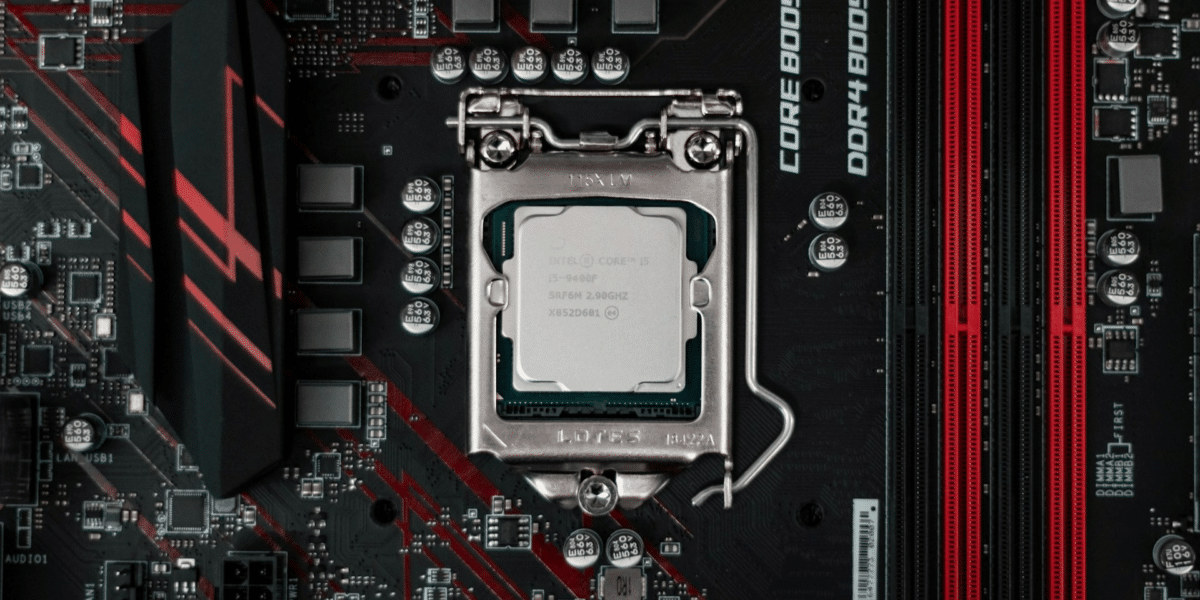
Navigating Business Success: Choosing the Right Hardware Solutions

In the ever-evolving landscape of business operations, selecting the right hardware is akin to choosing the right tools for a craftsman. It’s a crucial decision that significantly impacts efficiency, productivity, and the overall success of a business. This article explores the key considerations and hardware solutions that businesses can embrace to empower their operations and stay ahead in the competitive market.

The Backbone of Operational Excellence

As businesses embrace digital transformation and navigate the complexities of modern operations, the importance of choosing the right hardware cannot be overstated. The hardware infrastructure forms the backbone of operational excellence, influencing factors ranging from data security to employee productivity. Making informed choices in this realm is essential for businesses aiming not just to survive but to thrive in today’s dynamic business environment.

Desktop and Laptop Computers: Foundation of Digital Workspaces

The choice between desktops and laptops depends on the nature of the business and the mobility requirements of its workforce.

Desktop Computers: Power and Stability

Desktop computers are the stalwarts of office environments, providing power, stability, and customization options. Businesses engaged in resource-intensive tasks such as graphic design or data analysis often opt for desktop setups. They offer greater processing power, larger storage capacities, and are generally more cost-effective.

Laptop Computers: Mobility and Flexibility

Laptops, on the other hand, offer mobility and flexibility. They are ideal for businesses where employees need to work on the go or require flexibility in their work setups. With advancements in laptop technology, these devices can now match the processing power of some desktops, making them suitable for a variety of business needs.

Servers: Managing Data and Applications

For businesses dealing with extensive data and running complex applications, servers are indispensable.

On-Premises Servers: Control and Customization

On-premises servers provide businesses with direct control over their hardware, offering customization options to meet specific needs. This setup is common among larger enterprises with dedicated IT infrastructure and stringent security requirements.

Cloud Servers: Scalability and Accessibility

Cloud servers, on the other hand, offer scalability and accessibility. Businesses can scale their resources based on demand and access their data and applications from anywhere with an internet connection. This model is particularly advantageous for smaller businesses that may not have the resources for extensive on-premises infrastructure.

Networking Equipment: Seamless Connectivity

Effective networking is the lifeblood of modern businesses, connecting devices, facilitating communication, and enabling collaborative work environments.

Routers and Switches: Managing Network Traffic

Routers and switches form the foundation of a business’s network infrastructure. Routers manage data traffic between different networks, while switches connect devices within a network. Choosing robust and secure networking equipment is vital for ensuring seamless connectivity and preventing potential bottlenecks.

Wireless Access Points: Facilitating Mobility

In an era where mobility is paramount, wireless access points enable businesses to provide secure and efficient Wi-Fi connectivity. This is crucial for supporting a mobile workforce, allowing employees to work from various locations within the office or even remotely.

Storage Solutions: Safeguarding Business Data

The way businesses manage and store their data is critical for both operational efficiency and security.

Hard Drives and Solid-State Drives (SSDs): Balancing Capacity and Speed

Hard drives and SSDs serve as primary storage solutions. Hard drives offer high capacity at a lower cost, while SSDs provide faster data access speeds. Businesses must strike a balance between capacity and speed based on their specific needs.

Network-Attached Storage (NAS): Centralized Data Access

NAS solutions offer centralized data storage that can be accessed by multiple devices within a network. This is especially beneficial for businesses with collaborative work environments, allowing seamless file sharing and data access.

Printers and Scanners: Essential Document Management

While the digital era has reduced reliance on printed documents, printers and scanners remain essential for many business operations.

Multifunction Printers: Streamlining Document Tasks

Multifunction printers combine printing, scanning, copying, and faxing capabilities into a single device. They streamline document-related tasks and are space-efficient, making them a practical choice for many businesses.

Document Scanners: Digitizing Paperwork

Document scanners are crucial for businesses aiming to digitize paperwork. They facilitate efficient document management, improve accessibility, and contribute to a more environmentally friendly approach to information handling.

Security Systems: Safeguarding Business Assets

Ensuring the security of physical and digital assets is a top priority for businesses of all sizes.

Surveillance Cameras: Physical Security

Surveillance cameras provide a physical layer of security, deterring potential threats and providing evidence in case of incidents. Businesses can choose from a variety of camera types, including indoor, outdoor, and even smart cameras with advanced features.

Cybersecurity Solutions: Protecting Digital Assets

In the digital realm, cybersecurity solutions are paramount. Businesses need robust antivirus software, firewalls, and encryption measures to safeguard against cyber threats. Investing in regular cybersecurity training for employees is also crucial in maintaining a secure digital environment.

Conclusion: Building a Resilient Business Infrastructure

In conclusion, choosing the right hardware is not just about meeting immediate needs but about building a resilient business infrastructure that can adapt and scale with the evolving demands of the market. Businesses that strategically invest in hardware solutions aligned with their goals and operational requirements position themselves for sustained success in today’s competitive landscape. As technology continues to advance, staying informed and making informed hardware decisions is an ongoing journey for businesses committed to achieving operational excellence.

The Importance of Taking Breaks During Work Hours

In today’s fast-paced work environment, it’s easy to get caught up in the hustle and bustle of daily tasks and deadlines. However, taking regular breaks during work hours is essential for maintaining productivity, focus, and overall well-being. In this article, we’ll explore why you need breaks during work hours and how incorporating them into your routine can benefit both your mental and physical health.

Mental Refreshment

One of the primary reasons why taking breaks is crucial during work hours is to give your mind a chance to rest and recharge. Continuous periods of focused work can lead to mental fatigue and decreased cognitive function. By stepping away from your desk and engaging in a different activity, such as taking a short walk, chatting with a colleague, or practicing deep breathing exercises, you can give your brain a much-needed break and return to your tasks with renewed energy and clarity.

Combating Burnout

Burnout, a state of emotional, physical, and mental exhaustion caused by prolonged stress, is a prevalent issue in today’s workplace. Taking regular breaks throughout the day can help prevent burnout by allowing you to decompress and relax, reducing the risk of chronic stress and fatigue. Incorporating short breaks into your workday gives you the opportunity to recharge your batteries and maintain a healthy work-life balance, ultimately contributing to greater job satisfaction and overall well-being.

Enhancing Creativity and Problem-Solving

Studies have shown that taking breaks can stimulate creativity and enhance problem-solving abilities. Stepping away from a challenging task and shifting your focus to a different activity can help break mental barriers and foster new ideas and perspectives. Whether it’s going for a brief walk, doodling on a notepad, or listening to music, giving your brain a break from intense concentration can promote divergent thinking and spark creative insights that may not have occurred during periods of sustained work.

Boosting Mood and Morale

Taking breaks during work hours can also have a positive impact on your mood and morale. Stepping away from stressful or monotonous tasks allows you to reset and refocus, leading to a more positive outlook and increased job satisfaction. Engaging in enjoyable activities during breaks, such as chatting with coworkers, listening to music, or practicing mindfulness, can elevate your mood and create a more enjoyable work environment. By prioritizing breaks and incorporating activities that bring you joy and relaxation, you can enhance your overall well-being and job satisfaction.

Physical Health Benefits

In addition to its mental benefits, taking breaks during work hours can also have positive effects on your physical health.

Alleviating Muscular Tension

Sitting for long periods without breaks can lead to muscular tension and stiffness, particularly in the neck, shoulders, and back. Taking short breaks to stretch, move around, or perform simple exercises can help alleviate muscular discomfort and improve blood circulation, reducing the risk of musculoskeletal issues such as back pain and repetitive strain injuries. Incorporating regular movement breaks into your workday promotes flexibility, mobility, and overall physical comfort.

Preventing Eye Strain

Extended periods of screen time can strain your eyes and contribute to symptoms such as dryness, irritation, and blurred vision. Taking regular breaks to rest your eyes and focus on distant objects can help alleviate eye strain and reduce the risk of digital eye fatigue. The 20-20-20 rule, which involves taking a 20-second break every 20 minutes to look at something 20 feet away, is a simple yet effective strategy for preventing eye strain and maintaining visual comfort during prolonged periods of computer use.

Improving Posture

Maintaining good posture is essential for preventing musculoskeletal issues and promoting overall spinal health. However, prolonged sitting can lead to poor posture habits, such as slouching or hunching over the keyboard. Taking breaks to stand up, stretch, and perform posture exercises can help counteract the negative effects of prolonged sitting and promote proper spinal alignment. Incorporating regular movement breaks into your workday encourages you to change positions frequently, reducing the strain on your muscles and joints and promoting better overall posture.

Take Regular Breaks

Incorporating regular breaks into your workday is essential for maintaining productivity, focus, and overall well-being. Whether it’s giving your mind a chance to rest and recharge, stimulating creativity and problem-solving, or promoting physical health and comfort, taking breaks during work hours offers numerous benefits that contribute to a happier, healthier, and more productive work environment. By prioritizing breaks and incorporating them into your daily routine, you can enhance your performance, reduce stress and fatigue, and achieve a better balance between work and leisure. Remember to listen to your body’s cues and take breaks as needed throughout the day to optimize your productivity and well-being.

The Impact of Modern Office Spaces on Employee Performance

The design and layout of office spaces have evolved significantly in recent years, with many companies embracing contemporary and innovative designs aimed at enhancing productivity, collaboration, and employee well-being. From open-plan layouts and flexible workspaces to amenities such as standing desks and breakout areas, modern office spaces are designed with the goal of creating a more dynamic and engaging work environment. In this article, we’ll explore how contemporary office spaces affect employee performance and why investing in workplace design is essential for businesses looking to attract and retain top talent.

1. Promoting Collaboration and Communication

Contemporary office spaces are often designed to facilitate collaboration and communication among employees. Open-plan layouts, shared workspaces, and communal areas encourage spontaneous interactions and idea-sharing, fostering a sense of camaraderie and teamwork among colleagues. By breaking down physical barriers and promoting cross-departmental collaboration, modern office spaces can lead to more innovative ideas, faster decision-making, and improved problem-solving capabilities.

2. Enhancing Flexibility and Adaptability

Flexibility is a key feature of modern office design, with many companies embracing flexible workspaces that can be easily adapted to accommodate changing needs and preferences. Adjustable desks, movable partitions, and modular furniture allow employees to customize their work environment to suit their individual work styles and preferences. This flexibility not only enhances employee comfort and satisfaction but also promotes creativity and productivity by providing employees with the freedom to work in ways that best suit their needs.

3. Fostering Well-being and Engagement

Employee well-being is a top priority for many companies, and modern office spaces are designed with the goal of promoting health, happiness, and work-life balance. Amenities such as ergonomic furniture, natural lighting, and indoor plants create a more comfortable and inviting work environment, while designated breakout areas and relaxation zones provide employees with opportunities to recharge and de-stress throughout the day. By prioritizing employee well-being, companies can improve morale, reduce absenteeism, and increase overall job satisfaction and engagement.

4. Boosting Productivity and Focus

Contemporary office spaces are designed to minimize distractions and optimize productivity by providing employees with the tools and resources they need to stay focused and efficient. Quiet zones, designated focus areas, and noise-cancelling headphones allow employees to concentrate on their work without interruption, while technology-enabled meeting rooms and collaboration tools facilitate efficient communication and project collaboration. By creating a conducive work environment that supports concentration and productivity, modern office spaces can help employees achieve their goals more effectively and efficiently.

5. Encouraging Creativity and Innovation

Creativity and innovation thrive in environments that inspire and stimulate the senses, and modern office spaces are designed to do just that. Bright colors, bold artwork, and playful design elements can spark creativity and imagination, while flexible workspaces and brainstorming areas provide employees with opportunities to explore new ideas and approaches. By fostering a culture of experimentation and risk-taking, contemporary office spaces can fuel innovation and drive business success in today’s fast-paced and competitive marketplace.

6. Attracting and Retaining Top Talent

In today’s competitive job market, companies are increasingly recognizing the importance of offering attractive and inviting work environments to attract and retain top talent. Modern office spaces that prioritize employee well-being, collaboration, and flexibility can serve as powerful recruitment tools, helping companies stand out as employers of choice in the eyes of job seekers. By investing in workplace design that reflects their values and culture, companies can attract top talent and position themselves as leaders in their industry.

Contemporary Office Spaces Offer a Unique Ambiance

Contemporary office spaces play a significant role in shaping employee performance, satisfaction, and engagement. By promoting collaboration and communication, enhancing flexibility and adaptability, fostering well-being and engagement, boosting productivity and focus, encouraging creativity and innovation, and attracting and retaining top talent, modern office spaces can have a profound impact on the success of businesses. As companies continue to invest in workplace design as a strategic asset, the importance of creating dynamic, inspiring, and employee-centric work environments will only continue to grow in importance. By prioritizing employee well-being and satisfaction, companies can create a competitive advantage that drives business success now and in the future.

Navigating the Impact of Taxes on Product Distribution Efficiency

Taxes play a critical role in the business environment, influencing various aspects of operations, including product distribution. Understanding how taxes can affect product distribution is essential for companies aiming to optimize their supply chains and reduce costs. This article explores the different ways in which taxes impact product distribution and provides insights into managing these effects effectively.

Understanding Taxation and Product Distribution

Taxes are mandatory financial charges imposed by governments on individuals and businesses. They are used to fund public services and infrastructure. In the context of business, taxes can significantly affect profitability, pricing, and overall operational efficiency.

Product distribution involves the process of moving goods from the manufacturer to the end consumer. It encompasses various stages, including transportation, warehousing, and delivery. Efficient distribution is crucial for meeting customer demand and maintaining competitive advantage.

Types of Taxes Affecting Product Distribution

Sales tax is a consumption tax imposed by the government on the sale of goods and services. This tax can affect product distribution in several ways. Companies must account for sales tax when pricing their products, which can influence consumer demand and sales volume. Additionally, varying sales tax rates across regions can complicate distribution logistics.

Value-Added Tax (VAT) is a tax on the value added to goods and services at each stage of production and distribution. VAT can impact product distribution by increasing the overall cost of goods. Businesses need to manage VAT efficiently to avoid excessive costs and ensure compliance with tax regulations.

Import and export duties are taxes imposed on goods entering or leaving a country. These duties can significantly affect international product distribution. High import duties can increase the cost of raw materials and finished products, while export duties can make products less competitive in foreign markets.

Excise taxes are specific taxes levied on certain goods, such as alcohol, tobacco, and fuel. These taxes can directly impact the distribution of such products by increasing their cost. Companies distributing excisable goods need to incorporate these taxes into their pricing strategies and distribution plans.

Impact of Taxes on Distribution Costs

Taxes can increase the operational costs associated with product distribution. For instance, higher fuel taxes can raise transportation costs, while increased property taxes can affect warehousing expenses. These additional costs can reduce profit margins and necessitate adjustments in pricing or distribution strategies.

Taxes influence the final price of products. Higher taxes can lead to higher prices, which may reduce consumer demand and affect a company’s competitiveness. Businesses need to balance pricing strategies to remain attractive to customers while covering the costs associated with taxes.

Managing taxes involves significant administrative work. Businesses must ensure compliance with various tax laws and regulations, which can be complex and time-consuming. The administrative burden of tax compliance can affect the efficiency of product distribution and require additional resources.

Strategies to Mitigate Tax Impact

Effective tax planning and management are crucial for mitigating the impact of taxes on product distribution. Companies should work with tax professionals to develop strategies that minimize tax liabilities and optimize tax benefits. This can include taking advantage of tax credits, deductions, and incentives.

Free trade zones (FTZs) offer tax advantages for businesses engaged in international trade. Goods imported into FTZs are not subject to import duties until they leave the zone. Utilizing FTZs can help companies reduce import costs and improve the efficiency of their international distribution networks.

Optimizing supply chain management can help mitigate the impact of taxes on product distribution. Companies can streamline their logistics, improve inventory management, and enhance transportation efficiency to reduce operational costs. Implementing advanced supply chain technologies can also provide better visibility and control over distribution processes.

Strategic sourcing and procurement can help companies manage tax-related costs more effectively. By sourcing raw materials and products from regions with favorable tax conditions, businesses can reduce their overall tax burden. Developing strong relationships with suppliers can also lead to cost savings and improved distribution efficiency.

Taxes have a profound impact on product distribution, influencing costs, pricing, and competitiveness. Understanding the various types of taxes and their effects is essential for businesses to develop effective distribution strategies. By implementing tax planning, utilizing free trade zones, optimizing supply chain management, and engaging in strategic sourcing, companies can mitigate the adverse effects of taxes and enhance their distribution efficiency. Navigating the complexities of taxation requires careful planning and expertise, but the benefits of a well-managed tax strategy can lead to significant improvements in business operations and profitability.

Understanding the Importance of Two-Factor Authentication (2FA)

In today’s digital age, securing our online accounts and personal information is more important than ever. With cyber threats on the rise, traditional methods of password protection alone may not be sufficient to safeguard our data from hackers and cybercriminals. This is where two-factor authentication (2FA) comes into play. In this article, we’ll explore the importance of two-factor authentication and why it’s essential for protecting your online accounts.

What is Two-Factor Authentication (2FA)?

Two-factor authentication, also known as 2FA, is a security measure that requires users to provide two different forms of identification before gaining access to an online account or system. In addition to entering a password, users must also provide a second piece of information, such as a unique code sent to their mobile device, a fingerprint scan, or a security token. This additional layer of security helps verify the identity of the user and reduces the risk of unauthorized access, even if the password is compromised.

Why is Two-Factor Authentication Important?

1. Enhanced Security

The primary benefit of two-factor authentication is enhanced security. By requiring users to provide two forms of identification, 2FA adds an extra layer of protection against unauthorized access to online accounts. Even if a hacker manages to obtain a user’s password through phishing, social engineering, or data breaches, they would still need access to the second factor to gain entry. This significantly reduces the likelihood of unauthorized access and helps keep sensitive information safe from cyber threats.

2. Protection Against Password Theft

Two-factor authentication helps mitigate the risk of password theft and credential stuffing attacks. Since users must provide a second form of identification in addition to their password, even if their password is stolen or compromised, hackers would still need access to the second factor to gain entry. This makes it much more difficult for cybercriminals to access accounts using stolen credentials, helping prevent unauthorized access and potential data breaches.

3. Safeguarding Personal and Financial Information

With the increasing prevalence of online shopping, banking, and financial transactions, protecting personal and financial information has never been more critical. Two-factor authentication adds an extra layer of security to these transactions, helping ensure that only authorized users can access sensitive accounts and conduct transactions. This helps safeguard personal and financial information from identity theft, fraud, and other cyber threats.

4. Compliance with Regulatory Requirements

For organizations that handle sensitive data, such as healthcare providers, financial institutions, and government agencies, compliance with regulatory requirements is essential. Many regulatory standards, such as the Health Insurance Portability and Accountability Act (HIPAA) and the Payment Card Industry Data Security Standard (PCI DSS), require the implementation of strong authentication measures, including two-factor authentication. By implementing 2FA, organizations can demonstrate compliance with these standards and protect sensitive data from unauthorized access.

5. Peace of Mind for Users

Two-factor authentication provides peace of mind for users by adding an extra layer of security to their online accounts. Knowing that their accounts are protected by an additional authentication factor gives users confidence that their personal information and sensitive data are safe from unauthorized access. This can help alleviate concerns about identity theft, fraud, and cyber attacks, allowing users to navigate the digital world with greater confidence and security.

How to Enable Two-Factor Authentication

Enabling two-factor authentication is relatively simple and can be done for many online accounts and services. Here are some common methods for setting up 2FA:

  • SMS or Text Message: Receive a unique code via SMS or text message that you’ll enter along with your password when logging in.
  • Authentication Apps: Use authentication apps like Google Authenticator or Authy to generate one-time codes that you’ll enter during the login process.
  • Biometric Authentication: Use biometric factors such as fingerprint or facial recognition to verify your identity in addition to your password.
  • Security Keys: Use physical security keys or tokens that you’ll insert into your device or tap against your smartphone to authenticate your login.

Two-Factor Authentication Adds More Security

In conclusion, two-factor authentication (2FA) is a critical security measure that adds an extra layer of protection to online accounts and systems. By requiring users to provide two forms of identification before gaining access, 2FA helps enhance security, protect against password theft, safeguard personal and financial information, ensure compliance with regulatory requirements, and provide peace of mind for users. Enabling two-factor authentication for your online accounts is a simple yet effective way to enhance security and protect your sensitive information from cyber threats. With the increasing prevalence of cyber attacks and data breaches, implementing 2FA is more important than ever in safeguarding your digital identity and online privacy.