US Business News

Do Employers Check Credit? Inside the U.S. Hiring Process


Employment credit checks are one of the lesser-known components of the hiring process in the United States. While many applicants expect background screenings for criminal records or references, the idea that a potential employer might check a credit report can be surprising. These checks are legal under federal law, but their use varies across industries and states.

The practice is most commonly associated with positions that require financial responsibility, such as banking, accounting, or roles involving sensitive data. Employers argue that reviewing a candidate’s credit history helps assess reliability and potential risk. However, for applicants, the process raises concerns about fairness, privacy, and whether financial struggles should affect career opportunities.

This tension between risk management and fairness has led to ongoing discussions about employment credit checks. Job seekers are eager to understand when these checks happen, what information is reviewed, and how it might influence their chances of landing a job. Meanwhile, employers must balance risk management needs with compliance requirements under the Fair Credit Reporting Act (FCRA).

What Employers See in a Credit Report

When an employer requests a credit check, the report they receive is different from what a lender might see. Instead, it’s a modified version provided by background screening agencies. The report generally includes payment history, outstanding debts, bankruptcies, and accounts in collections. Importantly, it does not show a credit score, and the inquiry is classified as a “soft pull,” meaning it does not impact the applicant’s credit rating.

Before conducting a credit check, employers must obtain written consent from the candidate. This ensures that the applicant is informed about the process and can prepare accordingly. If an applicant is denied employment due to the credit report, the employer is required to provide a copy of the report along with a notice of rights. This gives the applicant an opportunity to review or dispute any inaccuracies.

Although the scope of what employers can view is limited, the implications can still be significant. A history of missed payments or high debt may raise concerns for roles that involve financial oversight. Yet, many applicants argue that personal financial struggles don’t necessarily reflect a person’s professional abilities or qualifications.

State Restrictions and Industry Practices

While federal law allows employment credit checks, several states have introduced restrictions. California, Colorado, Connecticut, Illinois, Maryland, Nevada, Vermont, and Washington have all limited or banned the practice for most positions, except those directly related to financial or security responsibilities. These laws are a response to concerns about fairness and whether a credit history is relevant to job performance.

Do Employers Check Credit Inside the U.S. Hiring Process

Photo Credit: Unsplash.com

Industry practices also vary. Financial institutions and government agencies are more likely to conduct credit checks, while employers in retail or service sectors often rely on other forms of background screening. According to recent HR surveys, about 47% of employers include credit screenings as part of their hiring process. However, this percentage is gradually declining as more states impose restrictions.

For applicants, the patchwork of state regulations can be confusing. A candidate applying for the same role in one state may face a credit check, while in another state, the same role might not require it. Understanding both federal protections and state-specific regulations is crucial for applicants navigating the job market.

Implications for Job Seekers

For job seekers, the possibility of a credit check adds another layer of preparation. Reviewing one’s own credit report before applying for jobs can help identify errors or issues that might raise concerns. Free annual credit reports are available through federally authorized websites, allowing applicants the chance to correct inaccuracies before they become obstacles.

The impact of a credit check largely depends on the nature of the role. For positions where financial responsibility is key, employers may place more weight on credit history. In other cases, the credit check may be a formality that has little effect on the hiring decision. Job seekers often wonder how much influence these reports have, and the answer tends to vary based on industry and the employer’s specific needs.

Awareness is crucial. By understanding what employers look for and how the process works, applicants can approach the hiring process with greater confidence. Transparency from employers also plays an important role, ensuring candidates aren’t caught off guard by the screening process.

What the Future Holds for Employment Credit Checks

The future of employment credit checks is evolving. As more states continue to enact restrictions, employers are reassessing when and how these reports are necessary. Some companies are beginning to explore alternative methods for evaluating reliability, such as reference checks, skills assessments, and other background screenings that don’t rely on financial history.

For job seekers, this shift suggests that credit checks may become less common in roles outside of finance. However, it’s unlikely that these checks will disappear entirely. Employers in sensitive positions will likely continue to value a candidate’s financial history as part of their risk management strategies, even as regulations tighten.

The ongoing debate over employment credit checks reflects the complex relationship between personal financial history and professional opportunities. These checks highlight questions about fairness, privacy, and relevance, while still offering employers a tool for managing potential risks in their hiring decisions. As the hiring process adapts to new regulations and societal expectations, both applicants and employers will need to find a balance between transparency and necessity.

Truvian Lawn Care: Sod Installation Services That Transform Montgomery Landscapes

A vibrant, healthy lawn can elevate a home’s curb appeal and create an inviting outdoor space families can enjoy. For homeowners across Montgomery, Alabama, Truvian Lawn Care has become a trusted expert in delivering that transformation through high-quality, precision-focused sod installation. With a commitment to craftsmanship, reliability, and exceptional service, the company helps clients achieve lush, beautiful lawns that flourish from day one.

Local Expertise You Can Trust

Installing sod in Alabama’s warm, humid climate requires more than simply laying grass. The region’s soil composition, rainfall patterns, and temperature swings all influence how well new sod will establish. Truvian Lawn Care brings extensive experience working with Central Alabama’s unique landscaping needs, making them highly skilled in choosing the right sod varieties and preparing the ground for long-term success.

From clay-heavy soil to sun-drenched yards, the team understands how to create the ideal foundation for healthy root growth. This local knowledge is one of the reasons homeowners throughout Montgomery rely on Truvian for dependable, lasting results.

A Careful, Customized Installation Process

Truvian Lawn Care takes pride in approaching every sod installation with precision and care. Each project begins with an on-site evaluation to understand the property’s landscape conditions, including drainage, grading, shade patterns, and soil structure. This thoughtful planning ensures the final lawn looks seamless and grows strong.

Their installation process includes:

  • Removing old grass and debris to start with a clean, healthy base
  • Preparing and enriching the soil through tilling, aeration, and nutrient balancing
  • Leveling and grading to eliminate low spots and improve water flow
  • Laying sod tightly and evenly for a smooth, uniform finish
  • Providing aftercare guidance to help the lawn establish quickly and correctly

With each step handled carefully, homeowners receive a lawn that feels natural, complete, and ready to thrive.

Quality Sod Options for Alabama Homes

Every outdoor space is different, and the ideal sod for one yard may not be the best fit for another. Truvian Lawn Care helps clients select from high-performing grass varieties suited to Montgomery’s climate and lifestyle needs.

Popular choices include:

  • Zoysia, admired for its density, rich color, and durability
  • Bermuda grass, excellent for sunny areas and high-activity yards
  • St. Augustine, is ideal for shaded spaces and warm, coastal-influenced climates

By guiding homeowners to the ideal option for their property, Truvian ensures long-lasting results and easier ongoing maintenance.

Truvian Lawn Care: Sod Installation Services That Transform Montgomery Landscapes

Photo Courtesy: Truvian Lawn Care

Values That Shape Every Project

What truly sets Truvian Lawn Care apart is its dedication to professionalism, honesty, and genuine care. The team values clear communication, timely service, and consistent attention to detail. Rather than rushing through jobs, they focus on delivering craftsmanship that stands the test of time.

Their commitment doesn’t end when the sod is installed. Truvian provides personalized guidance on watering schedules, mowing heights, and seasonal care, so each new lawn grows stronger with every passing month. This supportive approach helps homeowners feel confident in maintaining their investment.

Built for Beauty and Longevity

A newly sodded lawn should look incredible not just on the day of installation, but for years to come. Truvian Lawn Care combines high-quality grass, expert preparation, and proper installation techniques to create lawns equipped for long-term health.

Their work enhances soil structure, encourages deeper roots, and improves resilience against heat, drought, and heavy rainfall—common challenges in Montgomery’s climate. The result is a yard that stays green, full, and enjoyable throughout the seasons.

Bring New Life to Your Outdoor Space

For homeowners in Montgomery, Alabama, seeking a fresh, lush lawn that instantly elevates their property, Truvian Lawn Care offers unmatched expertise and dependable service. Their sod installation process blends skill, care, and local knowledge to deliver results that feel both beautiful and built to last.

Water Cloud Highlights Its Professional Drainage System Installation Service for Residential and Commercial Properties

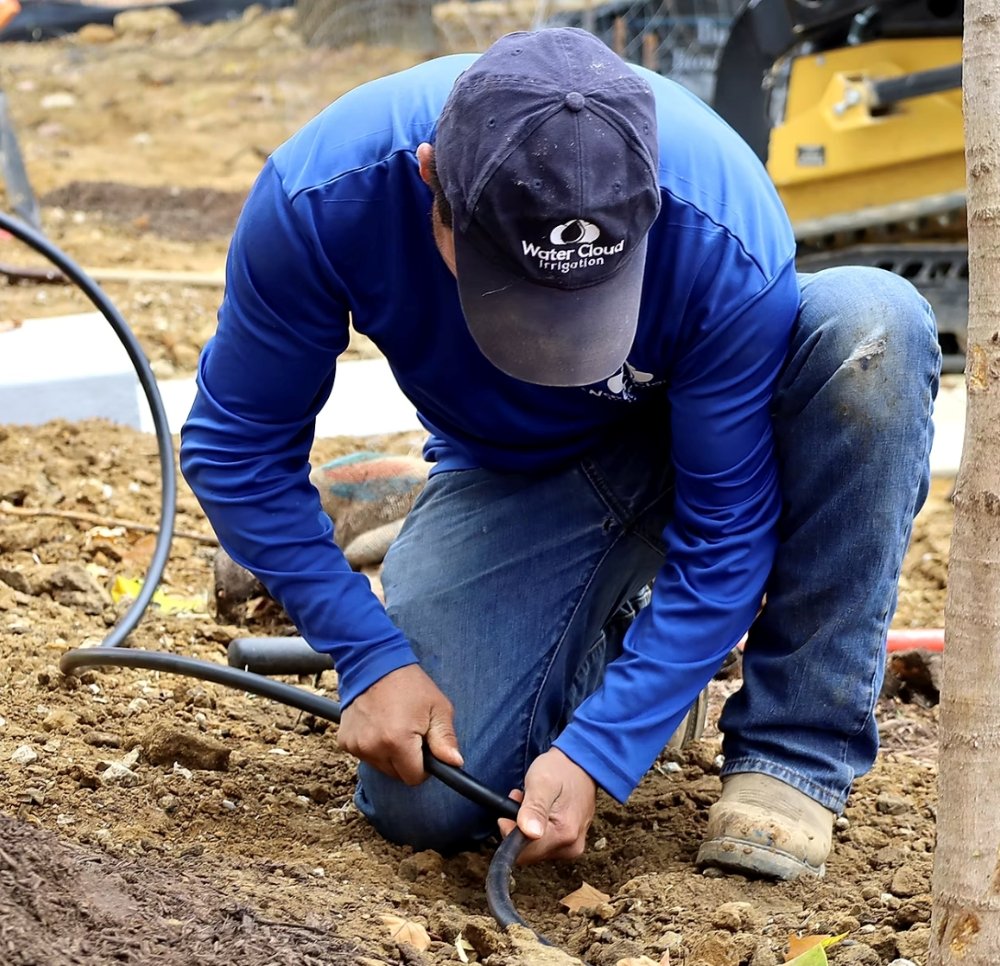
Water Cloud, a trusted irrigation and landscaping company, is reaffirming its commitment to quality and responsible water management through its comprehensive Drainage System Installation service. Known for its warm, client-focused approach and high standards of craftsmanship, the company continues to support homeowners and commercial property owners seeking reliable solutions to persistent drainage challenges.

Protecting Landscapes Through Smart, Effective Drainage

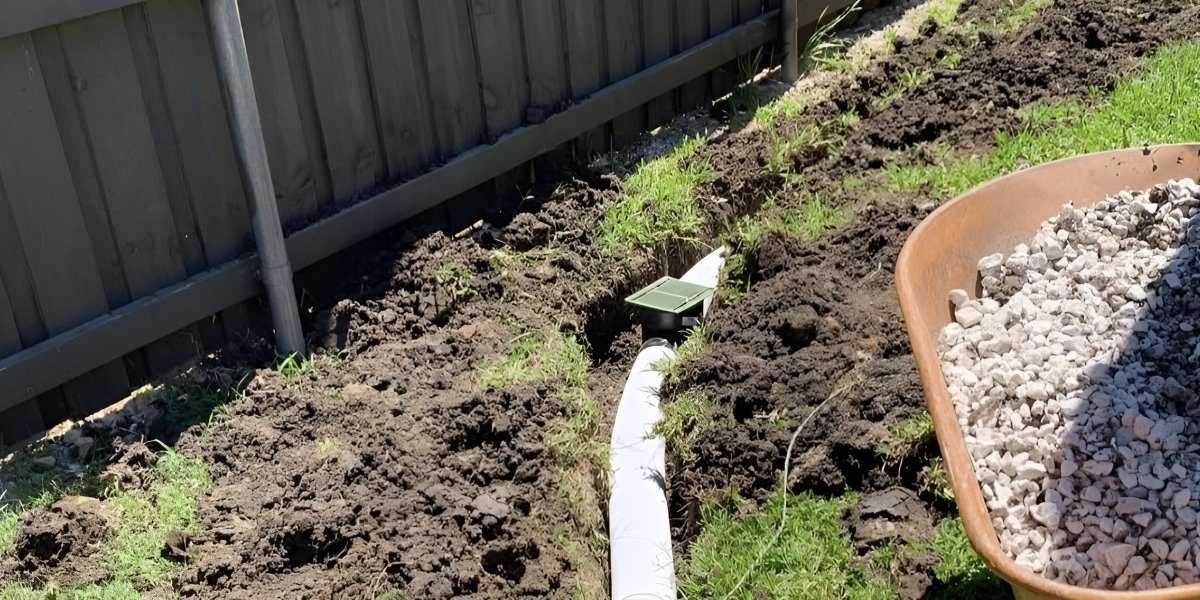
Excess surface and subsurface water can threaten the health, stability, and long-term value of a property. Water Cloud addresses these issues with customized drainage designs that align with each landscape’s needs. Their service includes French drains, perforated and solid-pipe systems, downspout extensions, selective re-grading, and professional water-flow redirection. Every system is built to promote turf health, prevent erosion, reduce standing water, and improve overall landscape function.

Expertise Rooted in Trust and Responsibility

With more than 25 years of licensed experience, Water Cloud combines technical knowledge with a strong sense of responsibility to its clients. Their team approaches each project with thoughtful planning, precise execution, and dedication to long-term performance. This foundation of trust has made the company a preferred provider among property owners who prioritize reliability, clarity, and long-lasting results.

What Sets Water Cloud Apart

Attention to Detail

Water Cloud stands out through its meticulous site evaluations, careful grading work, and seamless installation methods that preserve the beauty of existing landscapes. Their crews prioritize clean workmanship, subtle system placement, and solutions that blend naturally into high-end environments.

Experience in Premium Neighborhoods

The company’s extensive experience working in upscale residential areas has shaped its standard of excellence. Water Cloud understands the importance of protecting lawns, foundations, ornamentals, patios, and hardscaping elements—ensuring drainage systems enhance property value rather than detract from it.

Water Cloud Highlights Its Professional Drainage System Installation Service for Residential and Commercial Properties

Photo Courtesy: Water Cloud Irrigation

Reliable Project Timelines

Clients value Water Cloud for its consistency and efficiency. Drainage installation projects are organized, timely, and communicated clearly, helping homeowners and businesses feel confident throughout the process.

Commitment to Service

Beyond installation, Water Cloud supports clients with maintenance options such as system flushing, drainage cleaning, and periodic assessments. Their goal is to provide solutions that last, not temporary fixes.

Supporting Healthy Turf and Landscapes

A well-designed drainage system is essential for maintaining vibrant turf, stable soil, and long-term landscape health. Water Cloud’s service helps prevent recurring problems such as:

  • Water pooling on lawns
  • Soil erosion
  • Drainage around foundations
  • Plant loss due to oversaturation
  • Mosquito-friendly standing water

By integrating professional drainage installation into broader care plans, the company helps clients achieve resilient, attractive outdoor spaces year-round.

Local Expertise and Climate-Aware Solutions

Water Cloud’s understanding of regional soil conditions and seasonal rain patterns allows them to design systems that respond effectively to shifting moisture levels. Their knowledge of how heavy rainfall interacts with clay-rich soils ensures that the drainage solutions they install remain stable, efficient, and protective over time.

A Holistic Approach to Outdoor Care

Drainage installation is one part of Water Cloud’s larger mission to support well-balanced landscapes. Because the company also specializes in irrigation and landscaping services, clients benefit from a coordinated approach that ensures all elements of the yard work together harmoniously.

Enhanced Protection for Property Foundations

Water Cloud places particular emphasis on foundation safety, one of the most important concerns for property owners. Proper drainage installation helps keep moisture away from slab edges, reducing the risk of shifting or cracking over time. By addressing water management proactively, the company supports both the structural integrity of the home and the longevity of its surroundings.

Improving Outdoor Usability and Comfort

Beyond the technical benefits, effective drainage transforms how homeowners enjoy their outdoor spaces. Eliminating soggy patches, mud-filled areas, and unwanted pooling creates lawns that are more usable for recreation, gardening, pets, and outdoor gatherings. Water Cloud’s systems help convert neglected or problematic areas into functional extensions of the home.

Water Cloud invites homeowners and property managers to learn more about how a professionally installed drainage system can improve their lawn, prevent future damage, and enhance long-term property value. To request a consultation or explore their Drainage System Installation service, reach out to their team today.

U.S. Families Face Rising Electric Bills as Heating Aid Lags

As the cold season sets in across the United States, families are grappling with increasing electricity bills while waiting for essential heating aid programs to provide relief. Programs like the Low Income Home Energy Assistance Program (LIHEAP) have faced delays in releasing funds to states, leaving households vulnerable as temperatures drop. These delays are exacerbating the gap between soaring utility costs and the support families rely on to keep their homes warm.

According to the National Energy Assistance Directors Association (NEADA), low- and middle-income households already spend a significantly larger portion of their income on energy costs compared to wealthier families. As electricity prices continue to climb, many families are feeling the weight of these rising costs. NEADA projects that up to 4 million households could face disconnections this winter, nearly half a million more than last year.

This situation raises important questions about how families can manage their essential heating costs when aid arrives late, especially as inflation and living expenses already stretch household budgets thin.

The Growing Burden of Energy Costs

Electricity prices have surged across the country, placing an immense burden on households that rely on electric heating. Families in colder regions, particularly in the Northeast and Midwest, are experiencing the highest utility bills as demand spikes during the winter months. For many families, the cost of keeping homes warm is now competing with other essential expenses like food and medicine.

NEADA underscores the severity of the challenge, noting that low-income households spend a much higher percentage of their income on energy compared to wealthier households. This leaves little room for other necessities, creating a precarious situation for millions of families who are already struggling to make ends meet.

Heating is not a luxury; it is a basic need, and the rising costs expose the deep inequities in energy affordability. As utility bills climb, families are faced with difficult choices, forced to decide between paying for heat, food, or medication.

U.S. Families Face Rising Electric Bills as Heating Aid Lags

Photo Credit: Unsplash.com

The Low Income Home Energy Assistance Program (LIHEAP) is the federal lifeline designed to help low-income households manage their heating and cooling costs. However, delays in distributing LIHEAP funds this year have left families in limbo. In previous years, aid was typically distributed by late October. But in 2025, officials warned that the release of funds may not occur until the end of November, leaving state agencies scrambling to offer emergency relief.

In response to the delays, a bipartisan group of lawmakers urged the Department of Health and Human Services (HHS) to expedite the disbursement of LIHEAP funds. They emphasized that families should not have to choose between heating their homes and other basic needs. While LIHEAP continues to provide critical assistance, the timing of its disbursement has become a key concern. When aid is delayed, households are left vulnerable to financial strain and potential health risks.

A major issue arises when families cannot pay their bills before aid arrives. In many cases, this leads to disconnection of service, unsafe indoor temperatures, and a cascade of hardships that impact entire communities.

Health and Safety Risks for Families

The consequences of delayed heating aid extend beyond financial strain—they also pose serious health risks. Prolonged exposure to cold indoor temperatures can lead to hypothermia, respiratory illness, and exacerbate chronic health conditions. Vulnerable populations, such as seniors, children, and individuals with pre-existing health issues, are especially at risk.

In addition to the health impacts, households without reliable heat are more likely to resort to unsafe heating practices. Some families may turn to space heaters or ovens for warmth, which increases the risk of fires and carbon monoxide poisoning. These dangers make timely assistance essential, highlighting the need for accessible, affordable energy for all households.

Exploring Solutions for Energy Affordability

While the challenges related to rising electricity costs and delayed heating aid persist, there are ongoing efforts to address energy affordability across the nation. Policymakers and advocacy groups are pushing for reforms to ensure that heating aid is released earlier and more predictably. The National Energy Assistance Directors Association (NEADA) continues to advocate for expanded funding and improved coordination between federal agencies and local service providers.

At the same time, researchers and organizations are exploring long-term solutions to energy insecurity. Energy efficiency programs, which focus on weatherizing homes and reducing overall energy consumption, are one potential avenue for reducing reliance on emergency aid. By lowering the overall demand for energy, these programs could help households save money and reduce their vulnerability to rising energy costs.

Additionally, there is a growing interest in supporting households transitioning to cleaner and more affordable heating options, such as electric heat pumps and other renewable energy sources. These initiatives aim to make homes more energy-efficient, helping families reduce their reliance on traditional heating fuels, and potentially lowering utility bills over time.

Discussions about energy affordability are increasingly focusing on how communities can balance the need for affordable heating with the goal of sustainability. By making energy more accessible and efficient, we can create a system that works for all families, regardless of income or location.