AI inventory systems are changing how U.S. retail logistics operate, not through flashy tech jargon, but by solving everyday problems that have long frustrated store managers, warehouse teams, and supply chain planners. From miscounted stock to delayed shipments, the retail supply chain has always had its share of headaches. AI doesn’t erase those challenges overnight, but it’s helping retailers make smarter decisions with fewer errors and less guesswork.
An AI inventory system is a tool that learns patterns from data. It doesn’t just track what’s on the shelf or in the backroom, it predicts what will be needed, when, and where. That might sound simple, but the ripple effect across retail logistics is significant. Stores can avoid overstocking items that won’t sell, reduce waste from expired goods, and keep popular products available without constant manual checks. It’s not magic, just math and machine learning working together to make things run smoother.
Predictive Accuracy Is Changing the Game
One of the biggest shifts brought by AI inventory systems is how they handle forecasting. Traditional methods often rely on historical sales data and seasonal trends, which can be helpful but also limited. AI systems go further by analyzing real-time data from multiple sources, point-of-sale systems, weather forecasts, local events, and even social media chatter. This allows retailers to anticipate demand more precisely.
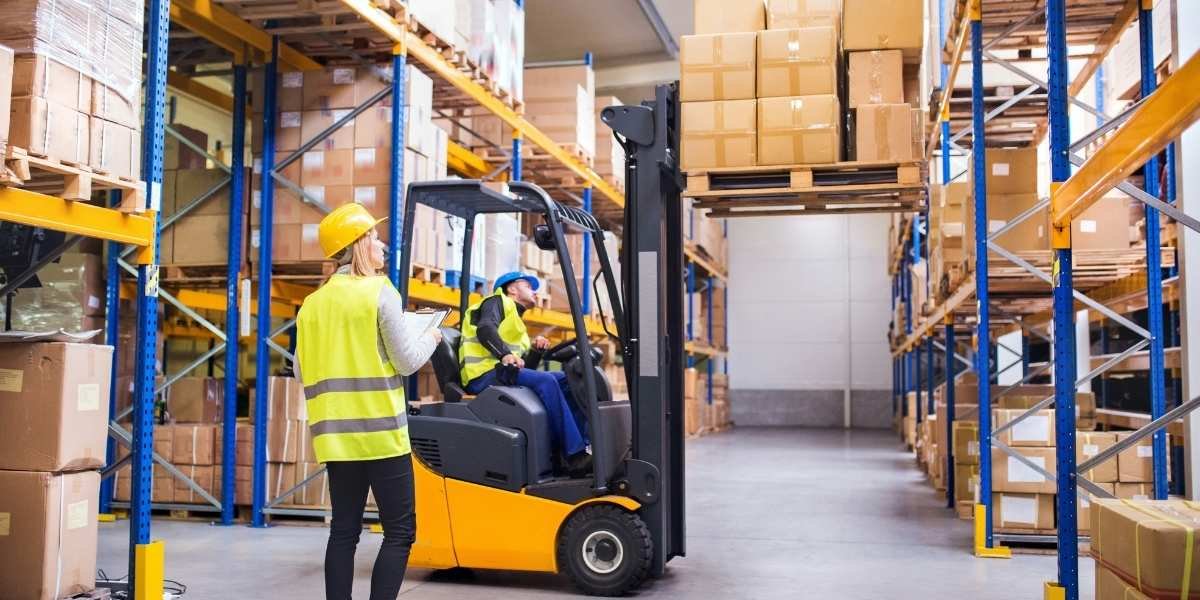
Photo Credit: Unsplash.com
For instance, if a heatwave is expected in a certain region, the system might predict a spike in sales for cold beverages and adjust inventory orders accordingly. If a product starts trending online, the system can flag it and recommend restocking before shelves run empty. These kinds of predictions aren’t just theoretical, they’re already being used to reduce stockouts and improve customer satisfaction.
It’s understandable that some retailers might feel overwhelmed by the idea of trusting a machine to make inventory decisions. After all, inventory management has long been a hands-on process. But AI doesn’t replace human judgment, it supports it. Managers still make the final call, but they’re working with better information than ever before.
Reducing Waste and Improving Sustainability
Retail logistics isn’t just about getting products from point A to point B. It’s also about minimizing waste, especially in sectors like grocery and apparel where unsold items can expire or go out of style quickly. AI inventory systems help by identifying slow-moving products early and adjusting future orders to avoid excess.
This kind of optimization has a direct impact on sustainability. Less waste means fewer items ending up in landfills and less energy spent on transporting goods that won’t sell. It also helps retailers save money by reducing markdowns and disposal costs. In a business where margins are tight, these small improvements add up.
Some stores are even using AI to manage perishable goods more efficiently. By tracking shelf life and sales velocity, the system can suggest markdowns at the right time to encourage purchases before expiration. It’s a subtle shift, but one that makes a big difference in both profitability and environmental impact.
Streamlining Warehouse and Fulfillment Operations
AI inventory systems aren’t just useful at the store level, they’re also reshaping how warehouses operate. In traditional setups, warehouse staff rely on manual counts and static spreadsheets to manage stock. That process is slow, prone to error, and hard to scale. AI systems automate much of this work by using sensors, cameras, and predictive algorithms to monitor inventory in real time.
This means fewer mistakes, faster order processing, and better coordination between warehouses and retail locations. If a store runs low on a product, the system can automatically trigger a restock from the nearest warehouse, factoring in delivery times and transportation costs. It’s not just about speed, it’s about making sure the right product gets to the right place at the right time.
Retailers with online sales channels also benefit from AI-driven fulfillment. These systems can prioritize orders based on urgency, location, and inventory availability, helping reduce shipping delays and improve customer experience. It’s a quiet but powerful shift that’s helping retailers compete more effectively in a crowded market.
Managing Supply Chain Disruptions More Effectively
Supply chain disruptions have become a familiar challenge for retailers, whether due to weather events, transportation delays, or unexpected demand spikes. AI inventory systems offer a way to respond more quickly and intelligently. By monitoring supply chain data in real time, these systems can flag potential issues before they escalate.
If a shipment is delayed, the system might suggest rerouting inventory from another location or adjusting promotional plans to focus on available products. If demand surges unexpectedly, it can recommend temporary substitutions or alternative sourcing options. These aren’t perfect solutions, but they help retailers stay flexible and avoid major losses.
It’s easy to feel frustrated by how unpredictable logistics can be. AI doesn’t eliminate that unpredictability, but it does offer tools to manage it more effectively. Retailers aren’t left guessing, they’re working with insights that help them adapt faster and smarter.
Balancing Automation With Human Oversight
While AI inventory systems offer clear benefits, they also raise questions about how much control should be automated. Retail logistics involves more than just numbers, it’s shaped by local preferences, store layouts, and human relationships. That’s why most retailers use AI as a support tool rather than a replacement for human decision-making.
The best results often come from a hybrid approach. AI handles the data-heavy tasks like forecasting and tracking, while managers focus on strategy, customer service, and adapting to local conditions. This balance allows retailers to stay efficient without losing the personal touch that defines good retail.
Some teams have even found that AI frees up time for more meaningful work. Instead of spending hours on manual inventory checks, staff can focus on improving store presentation or helping customers. It’s not about replacing jobs, it’s about shifting them toward higher-value tasks.

Photo Credit: Unsplash.com
AI inventory systems are quietly reshaping U.S. retail logistics by making everyday operations more accurate, responsive, and efficient. From forecasting demand to managing warehouse stock, these tools help retailers solve problems that have long slowed them down. The technology isn’t flashy, and it doesn’t promise perfection, but it’s helping stores run smarter and smoother.
For those who’ve struggled with inventory headaches, missed shipments, wasted stock, or unpredictable demand, AI offers a way forward that’s grounded in data and built for real-world challenges. It’s not a silver bullet, but it’s a step toward better logistics and more reliable retail operations.