Walmart’s partnership with Wing is entering a new phase, marking a significant leap forward in the world of retail logistics. By 2027, the retail giant aims to expand its drone delivery program to hundreds of locations across the United States, signaling a bold move to incorporate new technologies to meet the growing demands of e-commerce shoppers.
Walmart’s Drone Delivery Expansion Plans
Walmart has already made inroads in drone technology with its partnership with Wing, Alphabet’s drone subsidiary. Over the past year, the service has proven successful in test markets like Dallas-Fort Worth and Atlanta, where customers have shown a strong preference for receiving small packages by drone. This positive reception has driven the company to extend its drone hubs to more than 270 locations across the country, with plans to expand further in the coming months.
The expansion is expected to bring drone delivery to major metropolitan areas such as Los Angeles, Miami, St. Louis, and Cincinnati. This move aligns with Walmart’s long-term strategy to incorporate cutting-edge technologies that improve speed and reduce the burden on traditional delivery systems. By setting up delivery hubs near their stores, Walmart can use drones to fulfill orders quickly, bypassing congestion and delays that often occur with ground transportation.
This initiative will give more than 40 million Americans access to Walmart’s drone delivery service. For customers, the promise of quick, convenient, and contactless delivery is an appealing addition to the company’s already diverse fulfillment options. With Walmart planning to scale this service across the nation, drone delivery could become a mainstream option in everyday retail logistics.
How the Walmart Drone Delivery Service Works
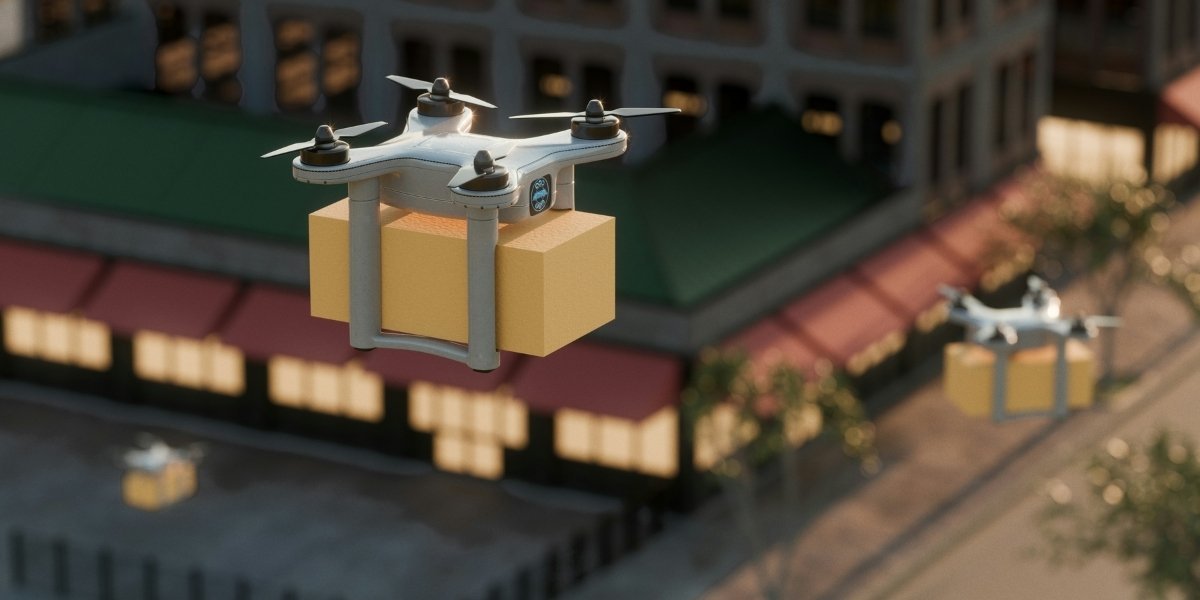
The core of Walmart’s drone delivery program is powered by Wing, which handles the technology and logistics. The drones themselves are designed to fly autonomously, relying on GPS systems and onboard sensors to navigate to customers’ locations. Each drone is capable of carrying lightweight packages, typically small household goods, groceries, or essential medications.
Orders are placed through Walmart’s mobile app, where eligible items are designated for drone delivery. Once an order is confirmed, the package is prepared at the store and loaded into a Wing drone. The drone then takes off from a launch site near the store and travels autonomously to the designated delivery area.
The drones are equipped with safety features designed to prevent accidents during flight. Upon arrival, the drones lower the package to the ground using a tether system, a mechanism that ensures the package is delivered safely and without direct contact. This method also ensures precision, preventing the risk of package damage while maintaining safety standards.
Expanding Access to New U.S. Cities
The upcoming expansion will extend Walmart’s drone delivery service to additional major cities, including Los Angeles, Miami, St. Louis, and Cincinnati. The plan will increase the geographic reach of drone deliveries, which Walmart anticipates will make the service accessible to over 40 million Americans. This expanded access brings the drone delivery network closer to the company’s goal of providing fast, efficient service for a broad customer base.

Photo Credit: Unsplash.com
This national rollout will likely help Walmart enhance its presence in competitive urban markets where delivery speed and convenience are key differentiators. Through this expansion, Walmart will be able to target not only large metropolitan areas but also surrounding suburban communities. This dual approach will allow the company to make the service widely available while optimizing its logistics network.
Customer Adoption and Demand Trends
The success of Walmart’s drone delivery service can be measured in part by the level of customer engagement. Wing has reported that its top customers in Dallas-Fort Worth and Atlanta now place drone orders approximately three times a week. Over the past six months, delivery demand in these regions has increased by threefold, indicating that customers are embracing the convenience of rapid deliveries.
The customer experience with drone deliveries has been largely positive, with many praising the speed of delivery and the ability to receive small items without leaving home. The integration of real-time tracking notifications has also proven valuable for customers, as it allows them to monitor the status of their order from start to finish. For busy individuals and families, the option of having essential items delivered in a matter of minutes is a significant advantage.
Drone delivery is designed for smaller, lighter items, so customers will still need to rely on traditional shipping methods for larger purchases. However, for those looking to quickly restock on household goods or pick up essential items, the addition of drones provides a seamless and efficient alternative.
Impact of Drone Delivery on Retail Logistics
Walmart’s drone delivery program represents an important step in the evolution of retail logistics. With the rise of e-commerce, customers have come to expect faster delivery times and greater convenience. Walmart’s use of drones for quick, short-distance deliveries addresses a specific gap in the market, offering a solution for small orders that can be fulfilled almost instantly.
Analysts believe drone delivery could play an important role in alleviating pressure on traditional delivery systems, especially during peak times or in areas with high demand. By offering this supplemental delivery method, Walmart is enhancing its ability to serve customers more efficiently, particularly in densely populated areas where traffic congestion can slow down ground transportation.
Additionally, drone delivery could help Walmart reduce its carbon footprint by eliminating the need for gas-powered vehicles on short trips. This sustainable aspect of the initiative aligns with the growing trend of businesses incorporating eco-friendly solutions into their operations.
As the program continues to expand, Walmart will refine its approach based on customer feedback and demand patterns. This iterative process ensures that drone delivery can grow into a permanent fixture of Walmart’s logistics strategy, helping it stay ahead of the competition in an ever-changing retail landscape.