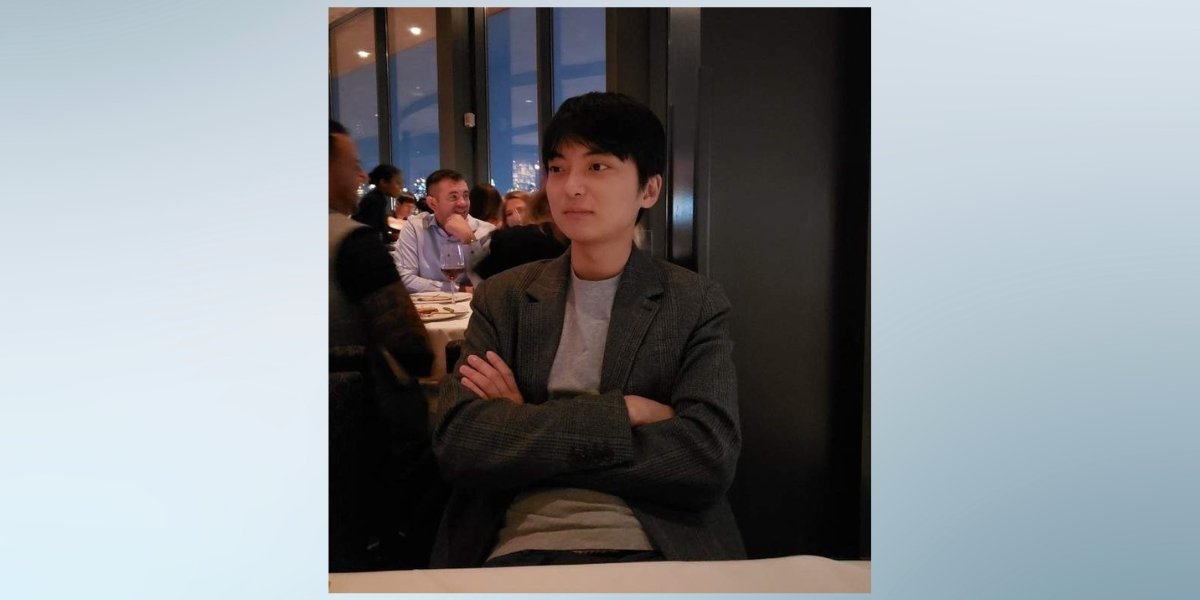
By Jeremy Murphy
The phrase “kissable skin” sounds like marketing fluff, until you hear Charles Choi explain it.
“It’s not necessarily the condition of the skin itself,” he says. “It’s the energy.”
As Brand Director of mimmua!, Choi has built an entire skincare philosophy around that idea. And in a beauty industry obsessed with flawless complexions, it’s a quietly radical shift.
For Choi, “kissable” has less to do with perfection and more to do with presence. Healthy skin matters, of course, but not in the airbrushed, poreless way we’ve been conditioned to expect. “Healthiness does not necessarily mean the absence of pimples or rosacea,” he explains. Instead, it’s about the basics: hydration, cleansing, and the kind of natural glow that signals skin is functioning well.
But the real differentiator? Expression.
“A positive facial expression is a natural result of feeling content,” he says. In other words, confidence, real confidence, is what makes skin attractive.
It’s a perspective shaped by Choi’s unconventional path into beauty. Unlike many founders who enter the industry from a business angle, his entry point was personal and hands-on. In 2019, he started as a part-time sales associate in New York, quickly becoming immersed in the world of skincare, haircare, and makeup.
That experience gave him a ground-level view of how consumers actually interact with beauty, not just how brands sell it. By the time he returned to Korea in 2022, he had developed a clear point of view: the industry had become too repetitive.
“The same formulas, the same packaging, and the same viral marketing,” he says. “This needs to change.”
Part of that change is redefining what beauty should feel like, not just what it looks like. For Choi, skincare isn’t a commodity. It’s an experience that starts long before the product touches your face.
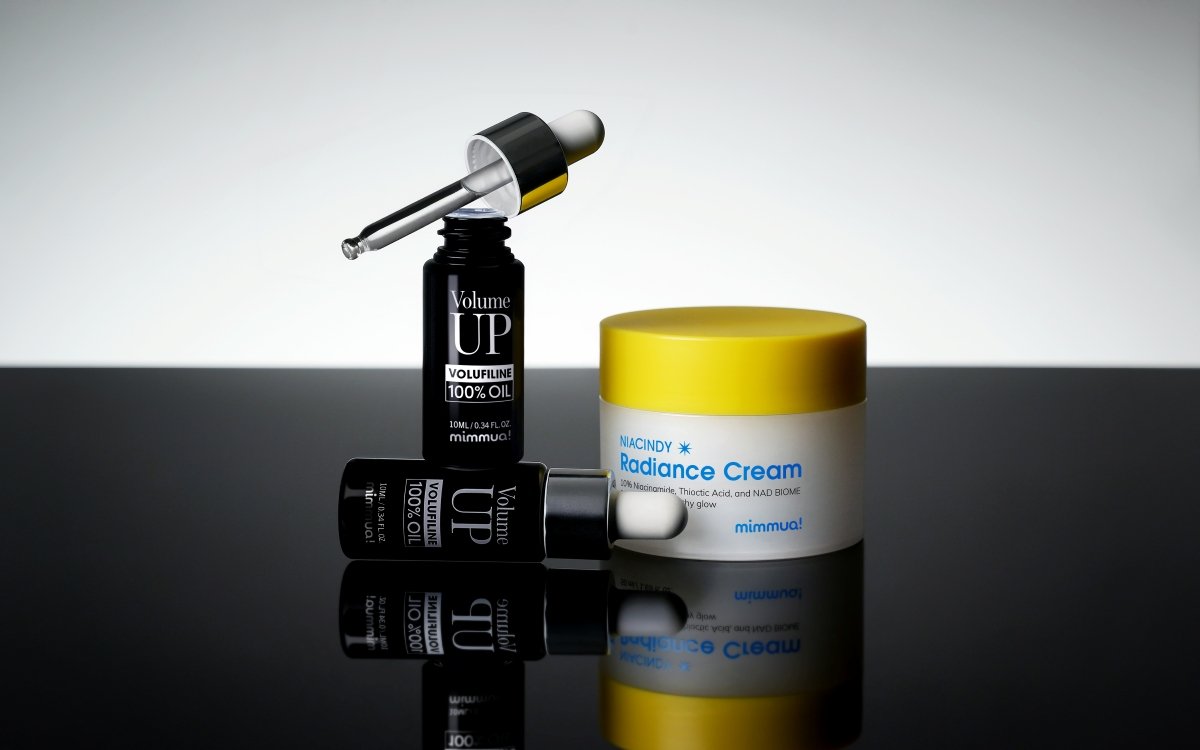
That’s why he obsesses over details many consumers might not consciously notice, like the silver foil printing on mimmua!’s packaging. It’s not just about aesthetics, it’s about emotional response. “I wanted packaging people would not want to throw away,” he says.
It’s a telling detail. In an era of disposable everything, creating something that feels worth keeping, even displaying, turns a routine purchase into something closer to a ritual.
That idea of experience also plays into how Choi sees the future of retail. While e-commerce dominates, he believes physical stores still have a unique advantage: the tangible.
“Brand notecards, packaging, gift boxes,” he says, these are the elements that can’t be replicated online. And when done right, they don’t just complement a product, they elevate it. His goal? For customers to feel “overwhelmed, in the best way” when they encounter the brand in person.
At the same time, Choi is acutely aware of how differently consumers behave across markets. In the U.S., shoppers tend to be more cautious, sticking with established products unless persuaded by strong reviews or in-store recommendations. Trends move steadily.
In Korea, it’s the opposite. “Trends change so quickly,” he says. New ingredients, new packaging, new technology, there’s a constant appetite for what’s next. Consumers are more experimental, but also more price-sensitive, often driven by steep, time-limited discounts.
That contrast highlights a broader truth about modern beauty: consumers are more informed than ever. They understand pricing. They recognize marketing tactics. And they’re increasingly selective about where they spend.
Which brings Choi back to his core belief: beauty has to earn its place.
That means delivering results, yes, but also creating a sense of connection. A product should feel good to use. It should look good on your vanity. And, perhaps most importantly, it should make you feel something.
Because in the end, “kissable skin” isn’t a finish line. It’s a feeling.
It’s the confidence that comes from knowing your skin is taken care of, but also from knowing you don’t have to chase perfection to get there. It’s the quiet assurance that you look like yourself, just better.
And in a category built on transformation, that might be the most compelling promise of all.