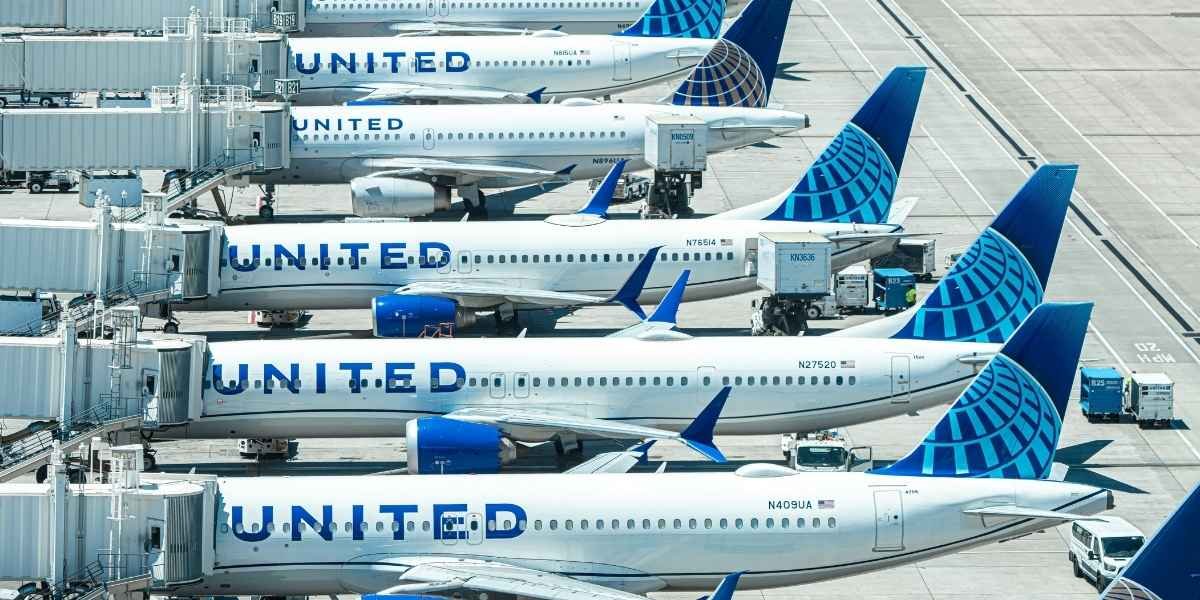
United Airlines airfares could remain under pressure into 2027 after the carrier said it expects high jet fuel costs to persist next year. The warning follows a 62% rise in United’s quarterly fuel expense and a 22.4% annual increase in the U.S. airline fare index. The figures highlight pressures influencing ticket pricing and flight schedules.
Key Takeaways
- CEO Scott Kirby said on October 21 that United expects elevated fuel prices throughout 2027
- Third-quarter fuel expense increased 62%, or about $1.8 billion, from a year earlier
- The U.S. airline fare index rose 22.4% in the year through September, according to federal data
- United recovered 72% of its additional fuel expense through revenue gains during the quarter
- The carrier is reviewing flight capacity but has not announced a systemwide 2027 fare increase
United Airlines is preparing for another year of expensive jet fuel even after reporting its highest quarterly operating revenue. During an October 21 earnings call, Chief Executive Scott Kirby said, “Instead, we are planning for and actually expect fuel to remain elevated for all of 2027.”
The warning places renewed attention on ticket prices because United has recovered only part of its additional fuel expense through higher revenue. It also comes as a federal airfare measure shows substantial increases across the U.S. market, although the company has not specified how much any individual ticket might cost next year.
United Airlines Fuel Expense Jumps 62% Despite Record Revenue
United reported $17.9 billion in third-quarter operating revenue on October 20, an increase of 17.4% from the same period in 2025. Fuel expense climbed 62% to about $4.84 billion, roughly $1.8 billion more than a year earlier.
The carrier reported adjusted earnings of $2.54 per share and carried a record 49.5 million passengers. Flight capacity grew 1.3%, while total revenue per available seat mile, a measure of revenue generated against available flight capacity, increased about 16%.
The figures show why stronger ticket revenue has not eliminated cost pressure. Chief Financial Officer Mike Leskinen said United recovered approximately 72% of the year-over-year fuel expense increase in the third quarter. Fuel prices accelerated late in the period, when much of the revenue from already-booked tickets had been set.
United expects a similar recovery rate in the fourth quarter. Executives have expressed confidence that revenue can eventually cover all of the added fuel cost, but that is a management objective rather than a confirmed result.
For October through December, the airline’s financial outlook assumes an average fuel price of approximately $4.80 per gallon, compared with the $3.90 average reported for the third quarter. It projected adjusted earnings between 50 cents and $1.50 per share for the final quarter of 2026. Both figures are forecasts subject to changing conditions.
United Airlines Airfares Reflect a Wider U.S. Price Increase
Airline fares rose 22.4% during the 12 months ending September 2026, the Bureau of Labor Statistics reported on October 14. The index also increased 1.2% from August to September after seasonal adjustment, while the overall consumer price index was up 3.7% year over year.
That 22.4% figure does not describe an identical price increase across airlines or routes. The index tracks changes in a sample of airfares, not the cost of any single flight or the average amount every traveler pays.
The September airline fare increases also coincide with higher operating costs reported across the industry. However, the federal index cannot determine how much of the change reflects fuel, passenger demand, competition or the number of seats offered on specific routes.
At United, Chief Commercial Officer Andrew Nocella said passenger yields increased 17% in the third quarter. Leisure revenue rose 16%, while business revenue increased 22%. Yield measures passenger revenue relative to distance flown, making it related to ticket pricing without being identical to the federal airfare measure.
United’s total revenue per available seat mile improved even as the proportion of available seats filled edged lower. The results indicate the carrier collected more revenue relative to available capacity without needing a higher seat-occupancy rate.
Flight Reviews and Baggage Fees Add to Travel Costs
United is examining individual flights and markets as executives assess whether routes remain financially viable with higher fuel expenses. The company has said it can adjust capacity where flights are not profitable, but it did not provide a list of proposed route cancellations on the October 21 call.
Reduced service could leave fewer departure options on affected routes. That does not necessarily establish higher fares, since local competition, available seats and traveler demand also influence prices.
Airfares are only one component of a passenger’s total bill. In April, United increased its first- and second-checked-bag fees by $10 for tickets purchased from April 3 onward. For many domestic itineraries, the first checked bag costs $45 when prepaid or $50 when paid closer to departure, while exemptions apply to eligible travelers.
Those United checked baggage fees are separate from the company’s October fuel outlook. They nevertheless show how the full cost of a trip may differ from the initial ticket price, particularly for travelers checking luggage.
Kirby also said the airline industry appeared likely to add capacity in 2027, which could make it harder for carriers to collect higher fares. United expects fourth-quarter revenue growth of more than 20% year over year, but that company forecast does not establish what passengers will pay on future flights.
Frequently Asked Questions
What did United Airlines say about fuel prices in 2027?
CEO Scott Kirby said on October 21 that United is planning for elevated fuel costs throughout 2027. That expectation does not guarantee a particular fare level for next year.
Are United Airlines airfares expected to rise?
United Airlines airfares could remain under pressure if fuel costs stay high, but the airline has not announced an across-the-board increase for 2027. Fares will still vary by route, demand, availability and booking date.
How much did United’s fuel bill increase?
United said third-quarter 2026 fuel expense rose 62%, an increase of approximately $1.8 billion from a year earlier. Its total fuel expense was about $4.84 billion for the period.
Does the 22.4% airfare increase apply to every ticket?
No. The Bureau of Labor Statistics figure is a national price-index change over the year through September 2026, not a percentage increase for each airline, route or booking.