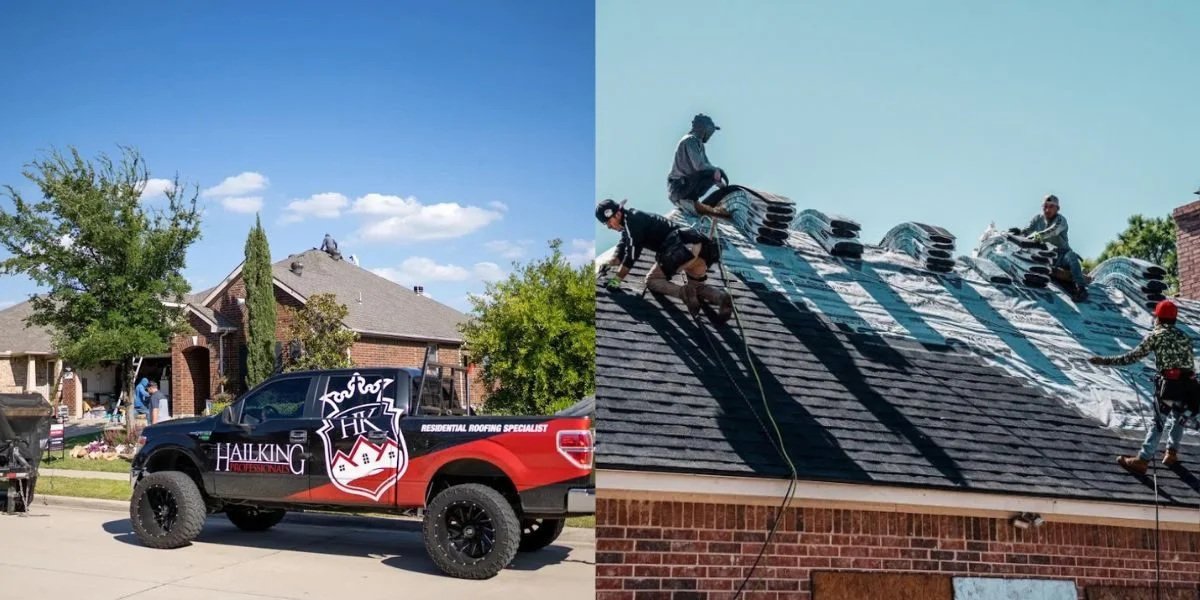
For Landon Stokes, co-owner of the North Texas roofing company, managing a surge in storm-related work requires balancing customer needs, operational capacity, and the commitments that extend beyond the initial repairs.
When a major hailstorm moves through the Dallas–Fort Worth area, the consequences can extend well beyond damaged shingles and leaking roofs. For local roofing contractors, severe weather can create an immediate operational challenge as homeowners seek inspections, property owners request repairs, and existing construction schedules face unexpected pressure.
For Hail King Roofing, a family-owned roofing company based in Colleyville, Texas, responding to these conditions involves more than simply accepting additional projects. It requires assessing the urgency of individual requests, coordinating crews, accounting for material availability, and determining how much work the business can responsibly accommodate.
Landon Stokes, 29, co-owns the company with his mother, Lori Anderson. Having begun his roofing career knocking on doors in neighborhoods affected by storms, Stokes developed an understanding of the uncertainty homeowners face when dealing with property damage.
Those early experiences continue to influence his approach to managing the business, particularly when demand increases faster than a company’s available resources.
When Demand Exceeds Immediate Capacity
Storm-related roofing work presents an unusual business challenge because customer demand can increase substantially within a short period. Unlike companies that can forecast orders or schedule production months in advance, roofing contractors must often respond to weather events that create simultaneous needs across entire neighborhoods.
The first challenge is determining which requests require immediate attention.
A homeowner experiencing an active leak may face different circumstances than someone requesting an inspection after discovering possible hail damage. Meanwhile, previously scheduled repairs and installations remain part of the company’s existing obligations.
For roofing businesses, managing these competing priorities requires distinguishing between an initial inspection and a commitment to begin construction.
Hail King Roofing offers free roof inspections that include photographs and explanations of recommended next steps. This process allows property owners to better understand the condition of their roofs before deciding whether additional work is necessary.
However, identifying a problem is only one part of the operational process. Scheduling repairs requires consideration of labor availability, materials, weather conditions, and the supervision necessary to complete the project.
The Operational Decisions Behind Every Project
For Stokes, managing a roofing business in North Texas also means preparing for the region’s unpredictable weather.
He recalls an occasion when an approaching winter storm forced the company to reassess its immediate workload and determine which projects could realistically be completed before conditions deteriorated.
“Those situations teach you how to lead under pressure. You have to set priorities, keep homeowners informed, and make sure your crew knows the plan, including when to stop,” Stokes explained.
His experience illustrates an operational reality for construction businesses: accepting a project and having the resources to complete it are two separate considerations.
Roofing work depends on coordinated teams, appropriate working conditions, and timely access to construction materials. When multiple projects are underway, a delay affecting one installation can influence the scheduling of others.
Crew availability is particularly important. Increasing the number of accepted projects without sufficient labor or supervision can create additional pressure on employees and potentially compromise the consistency of completed work.
Weather introduces another variable. Heavy rain, extreme heat, freezing temperatures, and additional storms can affect when roofing work can be performed safely.
For business owners, these factors make realistic scheduling an essential part of customer service.
Building a Business Beyond the Immediate Storm
The pressure to accept additional work can be significant when demand is high. Yet the financial opportunity associated with a busy period must be weighed against the longer-term responsibilities that accompany each project.
For Hail King Roofing, maintaining customer relationships is closely connected to its identity as a family-owned company.
Anderson, a fourth-generation Dallas–Fort Worth native and licensed Texas Realtor, brings longstanding family ties to the region’s construction industry. Stokes represents the next generation of leadership within the business.
The company reports 31 years in business, an A+ Better Business Bureau rating, hundreds of Google reviews, and certification through the Roofing Contractors Association of Texas.
While these credentials contribute to the company’s established presence in the market, Stokes emphasizes the importance of communication and accountability in individual customer relationships.
“We focus on showing homeowners what we find, explaining our recommendations, and following through on the work we promise,” he said.
That approach is particularly relevant following severe weather, when homeowners may be unfamiliar with the roofing process and uncertain about how quickly repairs can begin.
Clear explanations, documented findings, and realistic expectations can help customers distinguish between an urgent problem and work that can be scheduled for a later date.
Responsible Growth in a Competitive Market
The Dallas–Fort Worth roofing market presents opportunities for established contractors and newer businesses alike. However, growing a service company requires more than increasing the volume of incoming requests.
For Stokes, the company’s longer-term objectives include expanding across North Texas, developing opportunities for younger professionals entering the roofing industry, and strengthening its reputation among local property owners.
He also hopes to develop a community assistance program for qualifying seniors, veterans, and families who cannot afford urgent roof repairs. The company has already participated in charitable support through Vettes for Vets, an organization assisting veterans in need.
These ambitions reflect a broader challenge facing locally owned service businesses: how to pursue expansion without losing the personal accountability that helped establish their customer base.
For storm damage roofing contractors, that question becomes especially important after a major storm.
The immediate demand may last weeks or months, but the consequences of scheduling decisions, workmanship, and customer communication can influence a company’s reputation for years.
Hail King Roofing’s approach places those longer-term considerations alongside the immediate needs of homeowners.
As Stokes continues helping lead the family business, the underlying challenge remains consistent: determining not simply how many projects a company can accept, but how many it can complete while maintaining the standards and commitments on which its reputation depends.
More information about Hail King Roofing and its residential and commercial services is available at hailkingpros.com.