In “Empowering Non-Profit Success: Strategies for Effective Management and Cause-Driven Marketing,” Dr. Sarah Sun Liew highlights several crucial aspects of non-profit management, but none may be as fundamentally important as the topic covered in Chapter 14: Program Evaluation and Impact Measurement. This chapter provides non-profits with an important guide to assessing their effectiveness, helping with accountability, and promoting transparency—core components of organizational success. Through program evaluation and impact measurement, non-profits can not only track their progress but also increase confidence in their mission and foster the trust of their stakeholders, funders, and communities.
The Purpose of Program Evaluation
Chapter 14 begins by addressing the purpose of program evaluation, a process central to any non-profit’s strategy. Dr. Liew suggests that non-profits are typically driven by a deep-seated mission to create meaningful social change. However, it is not enough for these organizations to pursue this change blindly. They must be able to demonstrate that their programs are making a tangible difference in the lives of their beneficiaries and aligning with their overarching mission and goals.
Program evaluation serves this need by offering a systematic approach to gathering and analyzing data about a program’s effectiveness. For non-profits, this means understanding if the resources they are using—funds, time, and personnel—are generating the outcomes they seek. Liew notes that such evaluations are critical for accountability, helping non-profits remain transparent to their donors and stakeholders, who increasingly demand evidence of impact. This is particularly important in a competitive funding environment, where non-profits are often required to demonstrate concrete results to strengthen support.
Building Trust Through Transparency and Accountability
One of the key insights from this chapter is the connection between program evaluation and trust. Liew states that non-profits must prioritize accountability and transparency in their operations. A well-executed evaluation process allows an organization to present stakeholders with clear data on the successes and challenges of their programs. This transparency helps foster trust, an invaluable asset for any non-profit.
In today’s philanthropic landscape, donors are no longer satisfied with anecdotal evidence or feel-good stories. They want measurable proof that their contributions are likely making a real difference. Liew explains how regular evaluations that reveal both strengths and areas for improvement demonstrate an organization’s commitment to transparency, attracting more consistent support from stakeholders.
This theme of accountability is not limited to external audiences. Internally, evaluations also serve as a critical tool for learning and development. By assessing program outcomes and activities, non-profits can refine their approaches, improve efficiency, and strengthen overall performance. As a result, program evaluation not only supports compliance and accountability but also encourages continuous improvement, which is crucial for long-term sustainability.
Effectiveness, Efficiency, and Strategic Decision-Making
Chapter 14 thoroughly explores the relationship between evaluation and efficiency. Dr. Liew suggests that effective non-profits are those that make the best use of their resources. Program evaluation helps organizations identify which elements of their programs are delivering the most significant impact and which might require adjustment. Non-profits can then focus their resources on strategies and initiatives that appear to yield the greatest results, reducing waste and increasing return on investment.
Moreover, evaluation data enables non-profit leaders to make informed decisions regarding the future of their programs. Should a program be expanded, scaled back, or even discontinued? The answers to these questions lie in the data that program evaluations generate. This process helps leaders scale successful programs and refine those that are not meeting expectations. Liew states that strategic decision-making, guided by solid evaluation data, is the key to driving the success of any non-profit organization.
Impact Measurement: Demonstrating Value to Donors and Stakeholders
An essential aspect of Chapter 14 is its focus on impact measurement, which extends beyond merely evaluating a program’s efficiency. While program evaluation looks at how well a program functions, impact measurement asks a more fundamental question: Is this program likely making a real difference in the lives of the people it aims to serve?
Impact measurement is essential in demonstrating the value of a non-profit’s work to donors. As Liew points out, organizations that can provide clear, measurable evidence of their impact are far more likely to attract funding in a competitive market. She discusses how non-profits should define clear, achievable outcomes for their programs and then assess whether they have met these goals through qualitative and quantitative data collection.
Impact measurement provides more than just numbers. It tells the story of how a non-profit is changing lives, influencing communities, or shifting policy. Liew notes that impact measurement enhances a non-profit’s storytelling capabilities, allowing organizations to craft compelling narratives about their successes, backed by hard evidence. This storytelling, underpinned by data, can be used in marketing, donor appeals, and grant applications to present a fuller picture of the organization’s effectiveness.

Photo Courtesy: Dr. Sarah Sun Liew
Adaptability and Continuous Improvement
Dr. Liew also highlights how program evaluation allows non-profits to remain adaptable and responsive to changing circumstances. The social, political, and economic environments in which non-profits operate are constantly evolving, and program evaluations can act as an early warning system, identifying trends or challenges that might otherwise go unnoticed.
By collecting real-time data on program performance, non-profits can adjust their strategies to respond to these changes. For example, if a non-profit notices a shift in the demographics of its program participants, it might adjust its outreach efforts to better serve those individuals. Liew emphasizes that this kind of flexibility is crucial for maintaining relevance and helping ensure that a non-profit’s work remains impactful in dynamic contexts.
Moreover, regular evaluations help build a culture of learning within the organization. By reflecting on successes and challenges, non-profits can refine their programs and processes, driving continuous improvement. Liew argues that organizations that embrace a learning mindset are better positioned to adapt to challenges and seize new opportunities.
Common Evaluation Methods and Their Importance
Chapter 14 delves into different methods of evaluation, acknowledging that one size does not fit all when it comes to measuring program success. Dr. Liew provides a range of evaluation techniques, from subjective and qualitative methods, like interviews and observations, to more quantitative approaches, such as surveys, tests, and budget analyses.
Liew’s discussion of these methods reinforces the idea that a combination of qualitative and quantitative data offers a fuller understanding of a program’s performance. For example, while a non-profit might use financial metrics to measure cost-effectiveness, qualitative data gathered from participant interviews can provide insight into less tangible outcomes, such as how the program has impacted individuals’ quality of life.
Summary
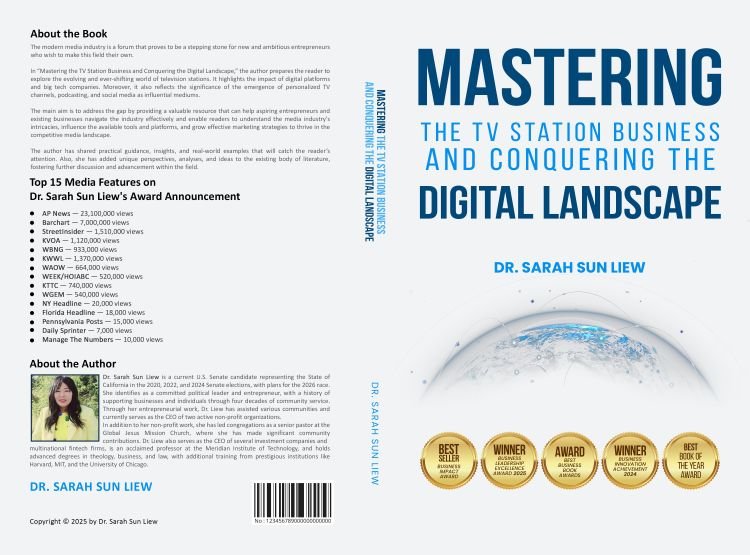
Photo Courtesy: Dr. Sarah Sun Liew
In Chapter 14 of “Empowering Non-Profit Success,” Dr. Sarah Sun Liew underscores the importance of program evaluation and impact measurement as essential tools for non-profits. By providing clear data on program performance, these evaluations help organizations promote accountability, enhance transparency, and make informed decisions about their operations.
For non-profits looking to build trust with donors, improve efficiency, and continuously adapt to changing environments, program evaluation and impact measurement are key. Liew’s detailed exploration of these concepts serves as a practical guide for non-profit leaders who want to strengthen their organizations in today’s competitive philanthropic landscape.
Media Features
Author Profile: Dr. Sarah Sun Liew – Wikitia
Direct Contact: (424) 343-7025 / info@meridianwish.com