By: Ben Walker
There’s a version of the expert author who presents their framework as something they’ve mastered and moved past. A set of principles they discovered, applied, and now teach from a comfortable position of having figured it out.
Andres Kuusk is not that author. And that distinction matters more than it might initially seem.
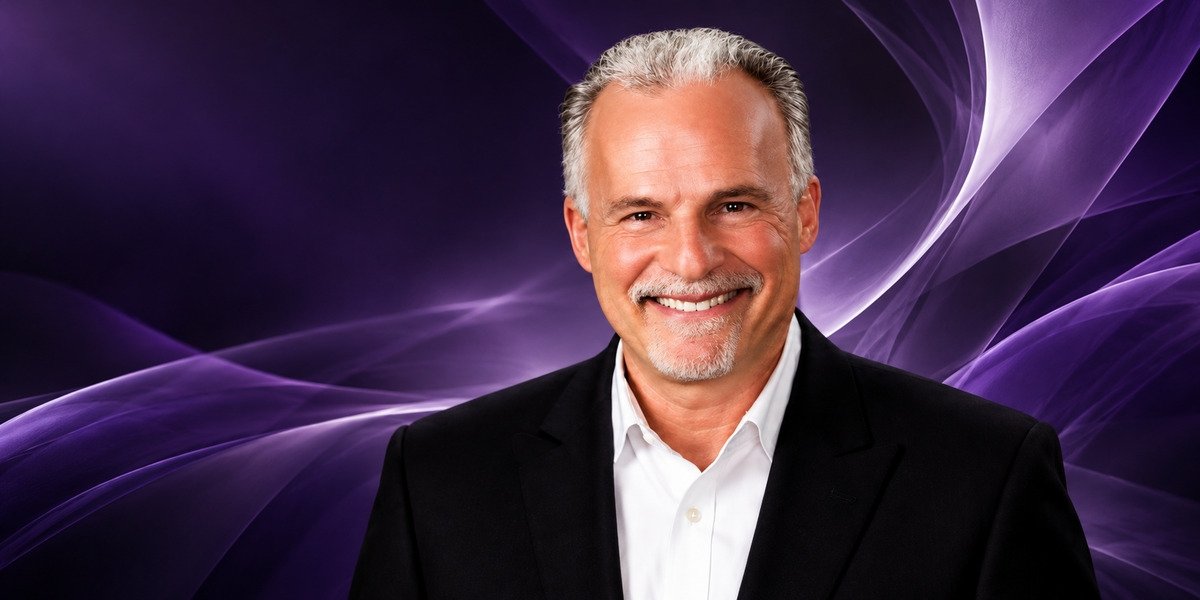
He is a seven-time World Pentamind Champion who still catches himself becoming emotionally attached to ideas he has invested time in. A PhD economist who still occasionally underestimates how long projects will take. A C-suite executive and author who still notices himself gravitating toward information that confirms what he already believes rather than information that challenges it.
Writing a book about cognitive distortions, he says plainly, does not make you immune to them.
What Changes Is the Speed of Recognition
The difference between Andres before the framework and Andres after it isn’t that he stopped falling into cognitive traps. It’s that he notices them more quickly. The traps are the same. The recovery time is shorter. The consequences are smaller because the recognition happens earlier in the process, before the distorted thinking has had time to fully shape a decision.
That’s a meaningfully different claim than most self-help books make. It doesn’t promise transformation. It promises a more honest and more functional relationship with the ways your own thinking fails you. Which, in practice, is considerably more useful than transformation that never quite arrives.
Why Knowing Isn’t Enough
Understanding a cognitive distortion intellectually does not make the automatic reaction that produces it disappear.
Andres still feels the pull of confirmation bias. He can still become attached to an idea because he has invested time in it. He can still mistake discomfort for evidence that something is wrong.
The difference is what happens next.
Awareness creates a small gap between the automatic reaction and the decision that follows it. Inside that gap is the opportunity to question the instinct, examine the assumption, and choose differently.
That distinction became increasingly important in Andres’s thinking. The goal is not to retrain the mind until cognitive distortions disappear. It is to recognize when they are occurring early enough to interrupt the process.
The first reaction may be automatic. The second does not have to be.
The Practices Built Around Honest Self-Assessment
Andres’s approach is not designed around eliminating cognitive distortions. It is designed around creating opportunities to catch them before they shape important decisions.
He reviews important decisions regularly, not just after they produce outcomes, but during the process, asking whether the quality of the thinking matches the quality of the decision he believes he’s making. He actively seeks alternative explanations before settling on the obvious one, because the obvious explanation is frequently the one his existing beliefs most easily support. He evaluates decision quality separately from outcome quality, which requires resisting the very human tendency to judge the thinking by how things turned out rather than by whether the thinking itself was sound.
And he deliberately exposes himself to unfamiliar ideas and perspectives, because curiosity is, in his experience, one of the most effective antidotes to the rigidity that accumulates when a person only engages with ideas that confirm what they already know.
Still a Student After Decades
The thing Andres says about his relationship with decision-making that stays with you is the simplest. After decades of studying it, competing at the highest levels, advising major organizations, and building a framework that has shaped his entire professional identity, he still considers himself a student of the subject.
Not as a performance of humility. As an accurate description of where he actually is. The field is deep enough and the human mind is complex enough that no number of world championships or advisory engagements or published frameworks closes the gap between what is understood and what remains to be figured out.
The goal, he says, is not perfection.
The mind still produces the instinct. The bias still appears. The comfortable explanation still arrives first.
What changes is whether it gets the final word.
The goal isn’t to stop your mind from misleading you. It’s to become better at noticing when it does.
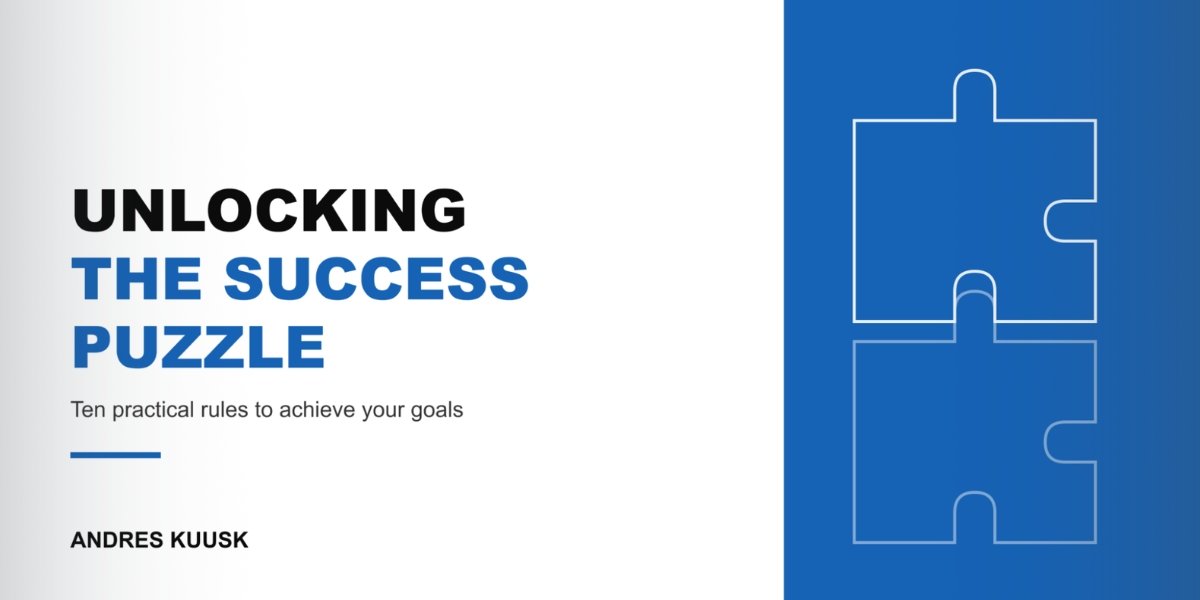
He wrote the book on cognitive traps and still falls into them. The difference is he catches them faster. Unlocking the Success Puzzle by Andres Kuusk is available now on Amazon.