US Business News

Hope Horner and the Shaping of a New Era in Entrepreneurial Storytelling Through Digital Media


The entrepreneurial landscape has changed profoundly over the last two decades as digital media revolutionized how businesses interact with consumers. Storytelling, previously relegated to mainstream advertising, now fuels brand personality through all forms of media, from short videos to big content campaigns. The emergence of tech-driven creative agencies has equipped entrepreneurs with new ways to rapidly proliferate ideas, combining analytical precision with artistic creativity. In this changing environment, new entrepreneurs have entered the scene, bringing marketing acumen and data-driven expertise to redefine how organizations engage with consumers. 

Hope Horner is one such modern entrepreneur who has risen to the foreground through her work to expand access to top-shelf video production as a co-founder and current CEO of Lemonlight, a company that delineates the intersection of creativity and technology.

Horner’s career reflects broader trends in the evolution of innovative technology firms over the past decade. She began her career in Southern California, entering the corporate sector as video was just starting to supplant traditional formats in digital advertising. After receiving her Bachelor of Science in Business Administration from Pepperdine University in 2009, Horner’s first experience with user interaction at Equinox laid the foundation for her understanding of user experience and service-oriented brand building. This early background would later inform her entrepreneurial practices, when access and scale would become the focus of her work.

Horner co-founded BetterYou.com in 2010, a web company that sought to blend independent fitness and wellness professionals with health-conscious consumers. Her partnerships with Whole Foods, Dasani, Real Age, and Los Angeles Magazine demonstrated her ability to pair startup ventures with established brands. BetterYou secured early-stage funding, helping establish Horner as an emerging entrepreneur in the evolving technology, marketing, and consumer accessibility space.

From BetterYou, Horner moved to become affiliate marketing manager for Ellie, an activewear subscription box service, and vice president of business development for NearWoo, a mobile advertising company. These experiences exposed her to data-driven marketing technologies and location-based advertising trends, which were beginning to shape how small businesses reached customers through mobile platforms. By 2013, she had gained a detailed view of how technology was redefining business-to-consumer relationships. The following year, she applied that experience to launch Lemonlight in Los Angeles, alongside her co-founders, establishing a company focused on scalable video production for businesses of all sizes.

Lemonlight began in 2014 and disrupted the video production industry with an access- and affordability-based model. Most companies then did not have the budget or the team to produce professional-grade videos. Lemonlight’s approach streamlines production by connecting technology-driven project management with a nationwide pool of filmmakers and editors. Under Horner’s guidance, the business expanded from a local startup to an international branded video content provider for clients like Google, Amazon, Netflix, Waymo, and Mars. During its first decade, Lemonlight created tens of thousands of videos for businesses across various industries, demonstrating demand for scalable content and the firm’s capacity to produce it at scale.

As the video landscape evolved, Lemonlight adapted by incorporating artificial intelligence into its production process. The launch of the Hero platform, an AI-based system for streamlining and augmenting video production, placed the company at the forefront of tech-forward media. The Hero platform supported editors and creators by improving production timelines and efficiency. This push towards AI-driven video creation was part of a larger digital marketing trend in which data analysis and automation became more central to creative strategy. Lemonlight’s approach was set as the benchmark by industry observers for how smaller creative agencies could compete with larger players on innovation rather than size.

In between, Horner was a public figure in business and media communities, writing articles and opinion pieces for major publications such as Forbes, Entrepreneur, Inc., Fast Company, Adweek, and Harvard Business Review. Her articles covered entrepreneurship, leadership, creative development, and the use of artificial intelligence in storytelling. This pairing of practical experience and intellectual leadership landed her on professional boards, including the Forbes Business Council. In addition to her own company, Horner was in the news for appearing on public platforms and in interviews, speaking about the evolving role of technology in marketing, including in publications such as the Los Angeles Times and Inc. magazine. These traits often positioned her work within broader conversations about the future of web content creation.

Awards for Horner’s work have been repeated across multiple years and organizations. From 2017 to 2019, Lemonlight was featured on Entrepreneur’s 360, an awards program that honors companies that demonstrate innovation and social responsibility. The company ranked on the Inc. 5000 list from 2018 to 2025, demonstrating sustained growth in a crowded market. Horner herself was a 2017 recipient of Pepperdine University’s 40 Under 40 and a 2022 Stevie Award for Best Female Entrepreneur. Other recognitions, such as the NYX Grand Winner, Viddy Award, and AdMonsters’ Top Women in Media & Ad Tech, reaffirmed both personal and organizational presence. Awards in the industry, founded on independent evaluation and measurable standards, indicate sustained effect as opposed to transitory achievement.

Horner’s career illustrates the convergence between business acumen and technological expertise in modern entrepreneurship. With advertising and media increasingly relying on analytics and automation, executives blessed with creative vision and technological know-how have become the norm in charting the industry’s course. Lemonlight’s model, in which AI software supports creative professionals rather than replacing them, resonates with the broader trend of collaboration between human capabilities and technology. This approach is consistent with trends across several industries, wherein technology-based systems augment creative processes without diminishing originality.

Hope Horner’s career is a blend of entrepreneurship development and technology innovation. Through her leadership at Lemonlight, published writing, and recognized efforts in creative innovation, she has contributed to a wider movement of technology-based business storytelling. Her work and public persona continue to represent the evolution of entrepreneurship in today’s era, where creativity and data increasingly intersect to affect how businesses engage their audiences worldwide.

The Illusion of Control: Why Financial Institutions Keep Mistaking Visibility for Safety

Financial institutions have never had more ways to see themselves. Dashboards pulse in real time. Alerts fire across systems. Models simulate futures down to the decimal. And yet, beneath this glow of visibility, certainty feels increasingly fragile. Leaders sense it even when they cannot name it. The paradox at the center of modern finance is not a lack of information, but a surplus of it that rarely resolves into understanding.

Robert M. Reed has spent nearly three decades inside this paradox. His argument is not anti-data or anti-technology. It is more unsettling than that. Modern finance, he suggests, has confused seeing with knowing. Visibility has become a psychological substitute for control, even as systems grow more brittle under stress.

The Age of Infinite Metrics

The promise of modern risk infrastructure is seductive. If everything can be monitored, then nothing should surprise us. But this promise rests on a quiet assumption that observation equals comprehension. It does not.

Reed has watched institutions grow increasingly dependent on measurement as a proxy for judgment. When uncertainty rises, the instinct is to add another metric, another report, another layer of monitoring. The result is often the opposite of what leaders intend. Risk does not disappear. It becomes misinterpreted.

“Most failures are not invisible,” Reed says. “They are buried under so much information that no one knows which signal actually matters anymore.”

In this environment, leaders feel busy and informed while drifting further from the operational reality that determines whether systems hold or fracture.

When Seeing More Makes You Safer and When It Does Not

Transparency is not inherently flawed. Reed is careful to make this distinction. Visibility can be powerful when paired with judgment. The danger arises when dashboards are treated as guarantees rather than tools.

Within large institutions, reporting frameworks often evolve to serve multiple audiences simultaneously. Regulators want completeness. Boards want assurance. Executives want simplicity. What emerges is a compromise artifact that serves none of those needs particularly well. Information is abundant, but insight is scarce.

Reed distinguishes between informational visibility and operational understanding. The first answers the question of what is happening. The second answers, why does it matter, and what will break next? Excessive reporting, he argues, often masks fragile systems by creating the appearance of control. Leaders assume that because something is being tracked, it is being managed.

This assumption is costly. When stress arrives, teams discover that what they have been monitoring does not align with how the system actually behaves.

Risk Is a Human Problem Before It Is a Technical One

The most persistent blind spots in finance do not come from missing data. They come from human behavior. Incentives distort attention. Silos fragment responsibility. Ownership diffuses until accountability evaporates.

Reed has seen this pattern repeat across organizations and cycles. When something goes wrong, post-incident reviews are precise and thorough. Root causes are identified. Action items are assigned. And yet, similar failures recur years later.

Why? Because the underlying behavior never changed.

“Risk breaks down where ownership is unclear,” Reed explains. “Not where data is missing.”

Institutions are adept at documenting lessons learned. They are far less adept at embedding those lessons into day-to-day decision-making. Without clear ownership, the same risks reenter the system under new names.

Why AI Exposes Leadership Gaps

Artificial intelligence has intensified this dynamic. Reed does not see AI as introducing fundamentally new ethical problems. He sees it as accelerating existing ones. Automation stress tests leadership by revealing where judgment has already been outsourced to a process.

When institutions rush to deploy AI, they often discover that no one can clearly explain how decisions are made today. Data ownership is ambiguous. Escalation paths are vague. Accountability is assumed rather than defined.

“AI forces you to confront questions you have been avoiding,” Reed says. “Who is responsible when something goes wrong. And do we actually understand the system we are automating?”

Reed advocates for slower, more deliberate integration of AI in regulated environments. Not because the technology lacks potential, but because leadership clarity must come first. Without it, automation amplifies confusion rather than resolving it.

The False Comfort of Models

Risk models occupy a privileged place in modern finance. Their precision conveys authority. Numbers feel objective. Yet Reed cautions against mistaking predictive accuracy for preparedness.

Models are decision aids, not decision engines. They describe scenarios, not outcomes. The danger emerges when leaders treat model outputs as answers rather than inputs to judgment.

Reed emphasizes scenario thinking and second-order consequences over point estimates. He asks different questions. What happens if this assumption fails? What breaks first? What are we not modeling because it is uncomfortable or hard to quantify?

Believing that precision equals readiness is a subtle trap. It encourages leaders to optimize forecasts instead of preparing for failure.

What Crisis Teaches That Stability Never Will

One of the most persistent weaknesses Reed observes is institutional amnesia. Lessons learned during crises fade once stability returns. Controls loosen. Vigilance dulls. The conditions that produced resilience are quietly dismantled in the name of efficiency.

Reed’s career includes senior roles within organizations such as JPMorgan and the Options Clearing Corporation, where he experienced moments when systems were tested at scale. Those experiences form a kind of institutional memory that cannot be simulated.

“Resilience is built when nothing is on fire,” Reed says. “By the time you are in a crisis, it is too late to design judgment into the system.”

This is why crisis-tested advisors bring value that frameworks cannot. They recognize early signals not because they are documented, but because they feel familiar.

Rebuilding Trust Starts Inside

Public trust in financial systems erodes after visible failures. But those failures often originate as internal clarity failures long before they reach the public eye. Leaders believe they are in control because they can see everything. Meanwhile, the system quietly reorganizes itself around incentives and shortcuts that no dashboard captures.

Reed’s perspective is not pessimistic. It is demanding. He argues that the future of financial integrity depends on leaders willing to confront uncomfortable truths about how their institutions actually function. Not how they present. Not how they report. How they behave under stress.

The strongest institutions are not the most monitored. They are the most honest.


Networking That Pays: How Relationships Drive Business Success

Professional networking has become a key driver of business success. Entrepreneurs and professionals alike view relationships as one of the most valuable resources in their toolkit. Beyond technology and capital, the power of meaningful connections fuels growth and creates opportunities.

While digital platforms have expanded reach, many individuals still feel disconnected. This paradox underscores the difference between superficial online interactions and genuine, impactful connections. Strong networks that foster trust and collaboration are the bridge between these two worlds, turning connections into tangible results.

Networking is more than just exchanging business cards. It is about building relationships that lead to mentorship, partnerships, and introductions that propel careers and businesses forward. The value of networking is not in the number of contacts but in the depth of those relationships.

Communities That Support Business Growth

Professional communities have gained significant traction, providing structured spaces for collaboration. Whether it’s through coworking hubs, alumni groups, or industry associations, these networks foster environments where ideas thrive and partnerships form.

Online communities are also crucial. Virtual platforms and curated groups allow professionals to share insights and collaborate, extending the reach of traditional networking to a global scale. These platforms demonstrate the power of networking in overcoming geographical barriers, offering professionals from around the world the chance to engage in meaningful exchanges.

Beyond professional circles, personal networks—such as family and close friends—still play a vital role. Many entrepreneurs attribute their early success to the support of their families, whether financial, emotional, or logistical. These connections remind us that networks extend far beyond the boardroom.

The Impact of Mentorship and Relationships in Business

Startups and established companies alike have relied on networking to navigate challenges and seize opportunities. Many entrepreneurs have secured crucial funding through introductions made at community events or through trusted contacts. This reflects how networking often creates the foundation for long-term success, helping companies expand into new markets and scale their operations.

Mentorship remains a cornerstone of business networking. Experienced professionals guide newcomers, helping them avoid pitfalls and accelerate their growth. These relationships often evolve into long-lasting collaborations, as the shared knowledge and trust they build make these bonds invaluable.

Even casual connections can lead to significant business opportunities. A brief conversation at a conference or a shared project in school can result in a lasting partnership. These unpredictable moments of connection highlight the importance of staying open to new relationships, as even brief interactions can spark transformative opportunities.

Challenges in Building and Maintaining Strong Networks

Not all networks provide equal value. Superficial connections can create the illusion of support without offering tangible benefits. Entrepreneurs must develop the ability to discern which relationships are genuinely meaningful and which are transactional. Focused and intentional networking often produces more lasting and fruitful results.

Digital fatigue is another challenge professionals face. Constant connectivity through digital platforms can lead to burnout, making it essential to curate networks with purpose. The key lies in prioritizing quality over quantity and investing time in relationships that add real value.

Inclusivity remains a pressing issue in many professional networks. Often, established networks favor those already connected, leaving newcomers at a disadvantage. Addressing this imbalance is critical to ensuring that business opportunities are accessible to all, regardless of background or entry point.

The Role of Networking in Shaping Business Success

The future of business will continue to be shaped by networking. As industries evolve and business environments become more competitive, relationships will remain essential to staying ahead. Entrepreneurs who focus on building authentic connections will be better positioned to navigate complex challenges and seize new opportunities.

Technology will continue to play a significant role in expanding networking possibilities. Platforms that facilitate meaningful interactions will help professionals connect in ways that were previously impossible. The emphasis, however, will always be on trust, collaboration, and the depth of the relationships formed.

Ultimately, the networks that succeed are those built on genuine relationships. These networks transform isolation into opportunity and convert connection into momentum. In a world of constant change, the enduring value of networking remains a key factor in long-term success.


Paul Davis Restoration of Middlesex County Helps Local Families Rebuild Faster After Disaster

By: Grace Mitchell

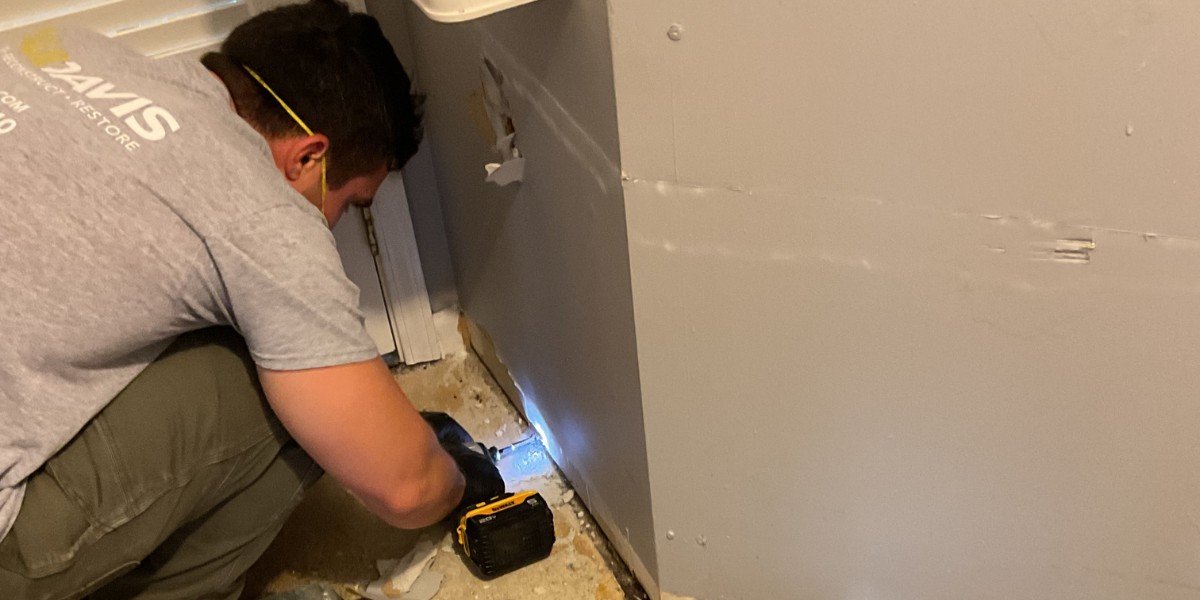
When disaster strikes, the clock starts ticking for Middlesex County property owners. Whether a burst pipe floods a living room, a storm tears a roof apart, or a fire leaves smoke and soot throughout a home, the damage can feel overwhelming. In those moments, residents across the region are turning to Paul Davis Restoration of Middlesex County for more than repairs. They are turning to a team that restores both property and peace of mind.

Locally owned and operated, Paul Davis Restoration of Middlesex County combines national standards with neighborhood-level care. The team is certified by the Institute of Inspection, Cleaning, and Restoration (IICRC) and is known for arriving within hours, not days, during emergencies. From the first phone call, their focus is not on pushing a sales pitch but on delivering a clear plan that stabilizes the property, prevents further damage, and helps clients return to normal life as quickly as possible.

Restoration That Puts People First

Many homeowners and business owners expect a contractor to show up with tools and invoices. Paul Davis Restoration of Middlesex County shows up with more than just something: a people-first mindset. Every project starts with listening. The team understands that behind every damaged wall or soaked carpet is a family routine, a cherished space, or a business that needs to stay open.

Customer education is central to the company’s approach. Technicians do not just remove water, clean up soot, or address mold and asbestos. They explain what went wrong, why the damage occurred, and what steps can reduce the risk of future problems. That guidance helps property owners feel informed and empowered rather than left in the dark. By understanding how to better safeguard their homes and buildings, clients often avoid repeat disasters and the emotional and financial strain they entail.

From Emergency Call To Full Reconstruction

Paul Davis Restoration of Middlesex County has positioned itself as a true one-stop shop. The same team that answers a 3 a.m. emergency call can stay with the client from mitigation through full reconstruction. Whether the situation involves water damage, fire and smoke, mold, asbestos, or trauma cleanup, the company manages each phase with a concierge-style process.

This means working directly with insurance companies, coordinating with material vendors, and helping clients make practical choices on finishes and designs that fit both their needs and their budget. Instead of juggling multiple contractors, property owners have a single, dedicated Paul Davis representative guiding them through every step. Daily progress updates, often with photos, keep clients informed, reducing anxiety and eliminating unwanted surprises.

Real Stories Of Relief In Middlesex County

The company’s commitment to communication, professionalism, and compassion is evident in the experiences of local customers. After a recent storm in Spotswood, one homeowner found out just how valuable a trusted restoration partner can be.

“We had storm damage in Spotswood last month and called Paul Davis Restoration of Middlesex County. Uday and Kaylene were extremely professional, and their customer care was truly above and beyond. They finished everything quicker than I expected. Highly recommend them,” shared customer Ross Winter.

Another client, after a pipe broke and flooded their home, described how the team’s responsiveness turned a frightening situation into a manageable one. They noted that Paul Davis responded immediately, explained every step of the process, and left the home immaculate at the end of the job. That sense of comfort and clarity is a recurring theme in reviews from Middlesex County residents.

Clients also speak highly of the office staff, who often become a calming presence during stressful times. One reviewer praised Monique for answering calls and texts right away and for walking them through what was, for them, a completely new and nerve-racking experience. Others highlight team members like Alan and the field crews for their professionalism, attention to detail, and efficient work that leaves homes looking and feeling like new again.

Certified, Insured, And Eco-conscious

Restoration work is not just about speed; it is about quality and safety. Paul Davis Restoration of Middlesex County’s IICRC certification signals a commitment to industry-leading standards. The team follows premier practices for handling water, fire, smoke, mold, and hazardous materials, always prioritizing the health of the occupants and the integrity of the building.

Their “no fear” warranty reflects a strong confidence in their workmanship. If a problem they have corrected returns within a year, they will come back and make it right at no cost. This warranty is uncommon in the restoration industry and offers clients a level of security that extends far beyond the final cleanup.

The company also recognizes that modern homeowners and businesses care about environmental responsibility. With eco-friendly options, thoughtful material choices, and a focus on safe, effective cleaning methods, Paul Davis Restoration of Middlesex County helps clients protect their investment while also considering their environmental impact. Discounts, including options for military families, and transparent, upfront estimates demonstrate further respect for client budgets.

Warmth, Personality, And A Neighborly Approach

What truly sets Paul Davis Restoration of Middlesex County apart is the team’s personality. Anyone can arrive in a branded vehicle with equipment. This company chooses employees who bring warmth, empathy, and genuine care to every interaction, from the initial phone call to the final walkthrough.

Clients frequently mention how comfortable they felt having the team in their home or business. It is not just about drying out flooring or replacing drywall. It is about making worried families feel heard, respected, and supported. The company’s culture emphasizes kindness and clear communication, qualities that can be just as important as technical expertise when someone is dealing with a crisis.

Staying Connected With The Community

Beyond the job site, Paul Davis Restoration of Middlesex County stays connected with the community through education, visual updates, and helpful tips. Property owners can get a closer look at the team’s work and learn from before-and-after projects by visiting their YouTube channel. The company also shares community stories, project highlights, and timely safety reminders on their Facebook page, offering another way for local residents to get to know the people behind the brand.

For homeowners and business owners in Middlesex County, partnering with Paul Davis Restoration means having a reliable ally in difficult moments. With certified expertise, rapid response, a strong warranty, and a caring, concierge-style approach, the team is helping local families and businesses move from chaos back to comfort as smoothly and confidently as possible.

The Story of Salamisso’s Rise and How Purpose-Built Craft Is Driving Its Success

By: Chelsie Carvajal

Developers across Ireland and the United Kingdom often treat buildings like products, but Salamisso Developments treats each project as a long-term responsibility. It works across both markets, carrying forward Gilmer Properties’ foundations while giving them a more contemporary, carefully considered direction. Where some developers see plots, the company sees places that people will actually use and live in, and it has begun to stand out in a construction sector that can feel repetitive. By focusing on the human aspect of each project, Salamisso is building more than just structures; it is creating lasting communities.

Heritage With a Hard Hat

Salamisso’s rise rests on a straightforward idea: treat history as something to work with, not something to erase. Its work in historic city districts in Dublin turns older streets and buildings into modern living spaces while keeping much of their original character. The company leans into timeless design, so new developments sit comfortably in their surroundings rather than overpowering them. This approach respects the legacy of the area while integrating modern comforts, making it a perfect blend of past and future.

At the same time, residential demand continues to outpace supply, and investors seek reliable property assets. The company’s portfolio of luxury residential communities, community shopping centers, and healthcare facilities reflects that reality. It places projects where population trends, infrastructure, and local needs intersect, rather than chasing headlines or short-term gains. This strategy positions Salamisso as a forward-thinking leader in sustainable development.

Concrete With a Conscience

The phrase purpose-built craft might sound polished, but it shows up in practical choices. Sustainability acts as part of the specification rather than an add-on. The company uses practices designed for long-term performance and lower environmental impact, which aligns with tightening rules on energy use and carbon output in the built environment. In a sector facing growing scrutiny, Salamisso behaves like a firm that has read the regulatory direction and adjusted early.

Its strength also comes from its team. Specialists in finance, banking, and corporate planning work with project managers who understand how to move from drawings to finished sites without causing unnecessary disruption to local communities. Marketing and operations experience are embedded in the process, so each project is designed, delivered, and managed with an eye on both residents and investors. This structure helps the company aim to deliver high-end apartments and rental units on schedule and within projected budgets, with minimal local disruption, a challenge for many in the industry.

A New Script for Growth

Salamisso does not treat itself as a small, local developer. With nine large-scale projects underway across the United Kingdom and Ireland, it builds a pipeline that points to steady growth rather than one-off wins. Its focus on what it calls investment-grade properties aligns with institutional capital that favors stable, long-term assets over speculative ventures. This commitment to strategic growth reflects the company’s desire to positively impact communities over the long term.

This development path plays out in a sector often associated with delays, cost overruns, and strained relationships with local residents. Against that backdrop, the company’s emphasis on collaboration with architects, engineers, and consultants signals a preference for planning over improvisation. In a field where short-term thinking still too often prevails, Salamisso places its name on projects that aim to hold their value and purpose for decades.

In the end, the company focuses less on grand claims and more on careful delivery, project by project. If other firms continue to rely on glossy promises, Salamisso may find that simply doing what it says it will do becomes its most powerful calling card. By following through on its commitments, the company is steadily carving a reputation for reliability and integrity.

Nexus Wealth Management: Robert Ellington-Montes’ Approach to Retirement Plan Solutions

Nexus Wealth Management, led by Robert Ellington-Montes, stands out as a trusted advisor for businesses and organizations looking to refine their approach to retirement plans. With years of experience in the financial services industry and a unique background in military service, Robert combines expertise with a deep sense of responsibility and commitment to guide organizations and their employees toward a more secure future.

This article delves into Robert’s career, his specialized focus on employer-sponsored retirement plans, and how he leverages his experience to deliver meaningful results for organizations and their employees.

A Path Defined by Service and Expertise

Robert Ellington-Montes’ professional journey is shaped by his dual commitment to service and excellence. After starting his career in 2006 at one of the nation’s largest investment firms, Robert quickly earned his stripes as a financial advisor. However, in a decision that would shape both his personal and professional life, he chose to take a break from his career to serve his country.

Joining the U.S. Army Ranger Regiment, Robert served as an infantryman with the 2nd Ranger Battalion. His deployment to Afghanistan during the Global War on Terror was a pivotal experience that reinforced key values such as leadership, discipline, and resilience. These values have since played a central role in Robert’s approach to his work at Nexus Wealth Management, helping him build strong relationships with clients and craft retirement solutions that prioritize security and sustainability.

After fulfilling his military commitment, Robert returned to the financial industry with renewed purpose, dedicating himself to self-improvement, continuous learning, and helping clients make informed decisions about their financial futures. His commitment to education, strategic thinking, and client service has become the cornerstone of Nexus Wealth Management’s success.

Specializing in Retirement Planning for Organizations

A key area of expertise for Robert Ellington-Montes is employer-sponsored retirement plans, particularly 401(k) plans. Robert’s approach involves working closely with businesses to create retirement solutions that benefit both the organization and its employees. Many organizations face challenges in managing retirement plans effectively, and Robert’s guidance helps streamline these processes, ensuring the plans are both compliant and efficient.

By helping organizations optimize their retirement offerings, Robert ensures employees have access to the tools and resources they need to plan for their financial futures. Robert’s focus on retirement plans goes beyond simply managing the technical aspects. He emphasizes the importance of employee education, ensuring that individuals understand the full scope of their options and how to take advantage of them.

This approach benefits both employees, who gain a clearer understanding of their retirement options, and organizations, which can see improvements in employee engagement, satisfaction, and overall plan participation. Robert’s goal is to create a sustainable system where employees feel empowered to make informed decisions that support their long-term financial security.

A Stewardship Philosophy

At Nexus Wealth Management, Robert Ellington-Montes views his role as more than just a financial advisor; he considers himself a steward of his clients’ resources. This philosophy is a key aspect of his work, driving him to act with the utmost integrity and responsibility in managing retirement plans and other financial strategies.

Robert’s focus on stewardship means he always puts the interests of his clients first. By taking a holistic approach to financial planning, he ensures that both organizations and employees benefit from secure, well-managed retirement solutions. He believes that financial decisions should be made with long-term stability in mind, which is why his strategies are built on careful planning and thoughtful execution.

The Importance of Education and Client Empowerment

Robert Ellington-Montes firmly believes in the power of education. He views financial planning as an ongoing process, one that involves continuous learning and awareness. By ensuring that clients have all the necessary information to make decisions, Robert empowers them to take control of their financial futures.

Whether through educational seminars, one-on-one consultations, or clear communication about retirement options, Robert ensures that his clients are well-equipped to navigate the complexities of retirement planning. His commitment to education is central to Nexus Wealth Management’s mission of helping clients make informed decisions that align with their personal and professional goals.

Personal Life and Balance

In addition to his professional dedication, Robert places great importance on maintaining balance in his life. Outside of his work at Nexus Wealth Management, he enjoys spending quality time with his wife, Katie, and their two children, Addisson and Lincoln. His family serves as a source of inspiration, grounding him in his core values of discipline, integrity, and responsibility.

Robert also pursues personal passions, including Jiu-Jitsu and teaching shooting skills. These activities reflect his commitment to continuous self-improvement and his belief in maintaining a well-rounded life. This personal dedication to growth and development extends to his professional life, where he strives to create meaningful, long-lasting impacts for his clients.

Looking Toward the Future

As Nexus Wealth Management continues to expand, Robert Ellington-Montes remains focused on providing solutions that benefit both organizations and their employees. His expertise in employer-sponsored retirement plans and his dedication to client education position him as a trusted resource in the financial planning space.

With a clear focus on building sustainable, secure retirement plans and fostering a culture of education and transparency, Robert’s work continues to help organizations optimize their financial strategies. His commitment to serving others, whether in his military career or in his work with Nexus Wealth Management, is what drives his success and ensures that he remains a trusted advisor for businesses and individuals alike.

Contact Nexus Wealth Management

For more information about Robert Ellington-Montes and how Nexus Wealth Management can help optimize your retirement planning strategies, visit Nexus Wealth Management.

Whether you are looking to refine your organization’s retirement plan offerings or need guidance on navigating the complexities of financial security, Robert’s approach can help guide you toward a more secure future.


Disclaimer: The content of this article is intended for informational purposes only and should not be construed as financial advice. While Nexus Wealth Management and Robert Ellington-Montes bring extensive experience and expertise to retirement planning, the strategies discussed may not be suitable for every individual or organization. Readers are encouraged to consult with a qualified financial advisor to assess their unique circumstances before making any financial decisions.

Why Cyberimpact’s Consent-First Email Strategy Outperforms Scale-First Tactics

By: Mary Sahagun

US marketing teams are feeling pressure from multiple directions at once: Privacy rules are fragmenting at the state level, inbox algorithms are tightening their filters, and audiences are becoming more selective about which brands deserve their attention. In response, many platforms are now scrambling to retrofit compliance into systems that were never designed for it. 

Cyberimpact, a Canadian privacy-first email marketing platform trusted by governments, public institutions, and regulated organizations, encountered these constraints earlier. The way it responded offers a useful playbook for teams navigating today’s growing trust and governance challenges.

Rather than treating privacy as something to work around, Cyberimpact was shaped in an environment where consent, accountability, and transparency were non-negotiable from the start. That constraint did not slow execution. Instead, it forced clarity. And that clarity points to an uncomfortable truth across the industry: compliance did not break email marketing. Long-standing, volume-driven habits did.

“Compliance did not make email less effective. It exposed how fragile scale-first strategies already were,” says Geoffrey Blanc, General Manager at Cyberimpact. “When consent is weak, performance is temporary.”

The Myth of Compliance as the Problem

When engagement declines or deliverability suffers, regulation often becomes the convenient scapegoat. Privacy rules are blamed for smaller lists, fewer sends, and slower growth. But this explanation overlooks what was already happening beneath the surface.

Email programs built on questionable consent, bloated databases, and generic messaging were losing effectiveness long before enforcement tightened. Audiences were disengaging. Filters were adapting. Trust was eroding quietly. Compliance didn’t remove effective strategies; it removed shortcuts.

The real damage came from treating inboxes as unlimited inventory rather than as permission-based channels. When regulation arrived, it didn’t change audience behavior, but it did expose the fragility of systems that relied on scale rather than relevance.

“If your results depended on volume alone, regulation was never the real risk,” Blanc says. “The risk was building growth on attention you did not earn.”

Built for Stricter Rules First, Not Retrofitted Later

One reason many platforms struggle under modern privacy expectations is timing. They were designed during a period when data collection faced minimal scrutiny, and governance lived outside the product. As expectations shifted, compliance became something layered on top: extra processes, manual reviews, and ongoing debates about interpretation.

Platforms shaped under stricter rules operate differently. When consent handling, audit readiness, and data accountability are treated as design inputs rather than afterthoughts, ambiguity disappears. Teams no longer need to reconcile what a tool technically allows with what regulations intend. As a result, execution becomes more predictable and often faster, not slower.

Cyberimpact reflects this approach. Operating under Canadian privacy expectations meant building systems that assume scrutiny and require intent. Later references to frameworks such as CASL and Quebec’s Law 25 serve as proof points, not the premise. The broader lesson is transferable: designing for higher standards early reduces the cost, friction, and disruption of retrofitting later.

Privacy as an Operating System, Not a Feature

For many growth teams, privacy is still treated as a feature toggle or a legal checkpoint. In practice, this creates friction. Campaigns stall during reviews. Data ownership feels unclear. Teams hesitate, unsure whether a process is both technically possible and legally sound.

When privacy functions as an operating system instead, those delays begin to fade. Consent flows are clear. Audit trails are accessible. Governance is predictable. Rather than constraining marketing teams, this structure frees them to focus on relevance, timing, and message quality instead of constantly mitigating risk.

The performance impact is tangible: Cleaner data improves deliverability, and transparent permission practices strengthen trust signals. Engagement becomes more consistent because communication feels intentional. These outcomes are not the result of clever optimization tactics; rather, they emerge from systems designed to respect the relationship between sender and recipient.

“Privacy works best when teams stop thinking about what they can send and start thinking about why they should send it,” Blanc says. “That shift changes everything, from data quality to inbox placement.”

Why US Teams Feel the Pain Later

US organizations are now encountering many of these similar pressures. State-level privacy laws continue to evolve, creating a patchwork of expectations. Inbox algorithms increasingly reward trust while penalizing aggressive tactics. Buyers are more aware of how their data is used and quicker to disengage when communication feels careless.

In this environment, reactive compliance becomes expensive. Retrofitting systems introduces operational drag and slows momentum. Designing for intent, by contrast, creates stability. It allows teams to scale without rebuilding workflows every time expectations shift.

The transferable lesson is straightforward: don’t design for loopholes, design for scrutiny. Treat trust as infrastructure, not messaging. Platforms like Cyberimpact demonstrate that when privacy, transparency, and accountability are embedded from the beginning, marketing teams don’t spend their time working around the rules. They work confidently within them.

Compliance didn’t kill email marketing. It revealed the habits that no longer worked. The organizations that succeed next will be the ones that recognize privacy not as a restriction, but as the foundation for sustainable, trusted growth.

Twite Realty’s Guide to Luxury Homes in Montana and What Buyers Look For

Luxury homes in Montana are more than just properties; they are a gateway to an exceptional lifestyle surrounded by breathtaking landscapes and unparalleled natural beauty. For those looking to invest in real estate, Montana offers a unique combination of privacy, high-end finishes, and outdoor activities. With a reputation for expansive properties and stunning vistas, luxury homes in the state stand out for their exclusivity and quality. Mark Twite – Twite Realty is proud to offer insights into the features that make these homes so desirable to today’s buyers.

Mountain Views: A Visual Masterpiece

When it comes to luxury homes in Montana, the views are a major selling point. The state’s dramatic mountain ranges and scenic vistas draw buyers looking for homes with expansive views that connect them to the environment. From sweeping valley vistas to close-up mountain peaks, these homes offer natural beauty right outside the window.

Properties are often designed with large glass windows and open living areas to take full advantage of the surrounding scenery. Whether it’s the sparkling winter snow or the vibrant summer landscape, the views provide a tranquil backdrop, ideal for those seeking a peaceful, nature-inspired retreat.

Expansive Acreage: Privacy and Freedom

Another hallmark of luxury homes in Montana is their vast acreage. The wide-open spaces offer a level of privacy and seclusion rarely found elsewhere. Buyers are drawn to properties with large plots of land, providing space for recreational activities, outdoor gatherings, or simply enjoying solitude.

The land that comes with these properties is more than just extra space; it’s an opportunity to create the ultimate personal sanctuary. Whether it’s building private trails, cultivating gardens, or developing outdoor entertainment spaces, expansive acreage gives homeowners the freedom to personalize their estates in a way that few places can offer.

Twite Realty’s Guide to Luxury Homes in Montana and What Buyers Look For

Photo Courtesy: Mark Twite

High-End Finishes: Craftsmanship Meets Elegance

The beauty of luxury homes in Montana isn’t just about their surroundings. The interiors are meticulously designed with high-end finishes that reflect sophistication and craftsmanship. From gourmet kitchens equipped with professional-grade appliances to spa-like bathrooms with custom features, these homes are built to impress.

Luxury buyers can expect exceptional attention to detail throughout the home, including custom cabinetry, high-quality flooring, and top-quality materials. Whether it’s polished hardwood floors, stone countertops, or unique architectural details, the finishes elevate the overall experience and ensure the home stands the test of time.

Outdoor Living Spaces: Elevating the Montana Experience

Living in Montana means embracing the outdoors, and luxury homes are designed to facilitate this lifestyle. Outdoor living spaces are essential in creating the ideal blend of comfort and natural beauty. Many homes feature expansive patios, outdoor kitchens, fire pits, and even heated pools, offering the ideal environment for relaxation and entertainment.

For those who enjoy adventure, many luxury properties also offer direct access to hiking trails, ski slopes, and other recreational activities, allowing residents to immerse themselves in Montana’s natural wonders without leaving home.

Sustainable Living: Eco-Friendly Features

Sustainability has become an important factor for luxury homebuyers in Montana. With an increasing focus on eco-friendly living, many luxury homes are built with energy-efficient systems, sustainable materials, and environmentally conscious designs. These homes not only benefit the planet but also help reduce long-term energy costs.

Solar panels, geothermal heating, and energy-efficient windows are just a few of the features that are becoming standard in Montana’s luxury homes. By incorporating these green technologies, homeowners can enjoy the best of both worlds: a luxurious lifestyle and a reduced environmental impact.

Twite Realty’s Guide to Luxury Homes in Montana and What Buyers Look For

Photo Courtesy: Mark Twite

The Montana Luxury Real Estate Market: What to Expect

As interest in Montana’s luxury real estate market continues to grow, potential buyers can expect to find homes that offer the ideal balance of natural beauty, modern amenities, and exceptional craftsmanship. The state’s luxury homes cater to a variety of preferences, from those seeking peaceful solitude to those looking for properties with ample space for outdoor activities and entertainment.

Mark Twite – Twite Realty continues to lead the way in helping buyers find the ideal luxury property in Montana. With its vast acreage, breathtaking views, and elegant designs, Montana remains a highly sought-after destination for discerning buyers seeking both tranquility and adventure.

The Future of Luxury Homes in Montana

As the market for luxury real estate in Montana continues to evolve, one thing remains certain: buyers can expect to find properties that offer unmatched quality, beauty, and privacy. With a growing emphasis on sustainability and eco-conscious designs, the future of luxury living in Montana is not just about comfort but also about preserving the stunning environment for generations to come.

Disclaimer: The information provided in this article is intended for general guidance only and should not be construed as professional financial, legal, or real estate advice. We recommend consulting with a licensed real estate agent, financial advisor, or other professionals before making any significant financial decisions.

The Impact of Comfortable Seating on Productivity: Insights from Office Logix Shop

By: Clara Li

Many workers know that a bad chair can make the workday seem twice as long. Far too many people attempt to stay productive while battling discomfort, constantly shifting to relieve pressure or stiffness. This small, everyday frustration has massive consequences not just for workers, but for entire companies. The true impact of seating is often overlooked, but science and firsthand experience now prove that the right chair does more than keep people comfortable. It unlocks new levels of focus, energy, and work output. With its dedication to ergonomic seating, Office Logix Shop shows why seating should be front and center in any discussion about productivity.

How Ergonomics Became a Business Essential

For years, companies filled offices with whatever chairs fit the budget, ignoring the toll on employee health and efficiency. Reports of aches, fatigue, and distraction grew, and a new understanding started to take hold. Researchers revealed that chairs with adjustable features and true lumbar support do much more than reduce pain. They help people work smarter and longer. Workers who swapped rigid seats for ergonomic chairs managed to boost productivity by about seven percent on the assembly line, while office-based teams saw similar results in day-to-day performance. These findings turned comfort from a luxury into a crucial part of any serious workplace.

Doctors and workplace experts now agree that simple improvements in seating design can bring dramatic relief. Fewer employees complain about sore backs or tight shoulders when their chairs adjust to them, not the other way around. People can focus on tasks instead of shifting in their seats or nursing aches. “Employees who are satisfied with their workstations see themselves as assets of the company who are valued. They express their appreciation by doing better in their jobs,” said Obada Mzaik, chief executive officer of Office Logix Shop. This sense of value and comfort changes how people approach their work, fueling better attitudes and fewer mistakes.

The Data Linking Comfort, Engagement, and Results

Data from offices around the world highlights a clear pattern: when employees sit comfortably, everything about the workday seems to improve. Companies that invest in ergonomic seating report drops in workplace injury and absenteeism, while productivity climbs. Studies show that employees in ergonomic chairs get up to fifteen percent more done compared to those stuck in basic seating. These gains do not come from pushing people harder but from removing the physical barriers that drain their energy and attention.

Office Logix Shop has seen these effects in action. It offers seating options with advanced ergonomics, helps clients find the best fit for each workspace, and shares practical advice on using these features every single day. Workers learn to fine-tune their seat settings for better posture and long-term comfort, often noticing subtle but powerful shifts in how they feel by lunchtime. Research shows that environments offering quality chairs and good training on their use have reported productivity increases as high as twenty percent compared to offices with old or ill-fitting furniture. Over time, these improvements can mean thousands of extra hours of focus across an organization, all due to a more comfortable chair.

Transforming Everyday Experience and Workplace Culture

Comfortable furniture does more than prevent aches and pains for workers. In offices, call centers, and home workspaces alike, the right chair can help people concentrate during meetings, power through afternoon tasks, and avoid the slump that often hits late in the day. Office seating crafted for movement and support turns discomfort into momentum. Even small adjustments, such as raising an armrest or tilting the seat, break up monotony and keep workers sharp. Office Logix Shop research points to the value of regular, conscious posture changes throughout the day, confirming that these tweaks make lasting differences by staving off fatigue and boosting focus.

This benefit echoes throughout the entire office, not just for those with desk jobs. “Comfortable seating over long periods enables concentration and reduces distractions,” Obada Mzaik emphasized. When employees can give their best without distraction, team spirit and problem-solving reach new heights.

The Future of High-Performance Workspaces

Now that the evidence is impossible to ignore, workers and companies share a growing sense that the right chair is essential, not just nice to have. Each hour spent supported and alert is another hour where workers and businesses thrive. Office Logix Shop stands at the forefront, sharing solutions that change daily routines and long-term productivity alike. Experts insist that there’s no substitute for comfort; it is the starting point for everything accomplished during a workday. A well-chosen office chair is a quiet catalyst, shaping performance, morale, and even the stories colleagues share at the end of each week.

How SAV Associates Was Built to Solve the Cybersecurity Gaps That Leave Mid-Sized Enterprises Exposed

By: Janessa Fernandez

Mid-sized enterprises, once seen as the unassuming backbone of the American economy, have found themselves squarely in the crosshairs of cybercriminals. As the digital threat landscape relentlessly shifts, these organizations grapple with mounting risks and unprecedented costs. Recent data shows that 66 percent of global companies encountered a ransomware incident in the previous year, and the average cost of a breach surpassed $4.45 million by 2023. For mid-sized firms, such attacks can be existential, eroding reputations and draining resources at a pace many cannot withstand. Yet, the majority operate with limited budgets, piecemeal protections, and without the sophisticated expertise available to larger corporations.

This dangerous gap in defenses formed the genesis of SAV Associates, a cybersecurity consulting firm now known for tackling the challenges unique to the nation’s middle-market companies. By marrying rigorous frameworks with real-world practicality, the firm boasts a philosophy that “cybersecurity isn’t solved by a single tool—it demands a disciplined, executive-led approach.” In an era defined by digital peril, its rise maps closely to the growing urgency of making security accessible and effective for those so often overlooked.

The Anatomy of a Vulnerable Sector

Massive breaches against retail giants and financial institutions dominate headlines, but data shows that small and mid-sized enterprises are increasingly targeted. Often, they serve as entry points for attacks on larger supply chains. Regulatory change has also intensified pressure. Since 2023, the United States has required more stringent cybersecurity reporting and safeguards. Even smaller players must prioritize digital risk as a business continuity imperative.

Historically, these firms operated with minimal security oversight, lacking chief information security officers or dedicated cyber teams. Their resources went primarily to growth, with little left for “what-ifs” around digital defense. As one industry observer put it, “the cavalry was never coming for the mid-market sector; it had to build its own defenses.” When ransomware attacks began crippling operations from manufacturing to healthcare, executives recognized that cyber incidents were not just technical failures but existential threats. These threats are capable of jeopardizing contracts, erasing customer trust, and incurring heavy compliance penalties.

Frameworks and the Pursuit of Resilience

SAV Associates did not launch with promises of a single solution or product. Instead, its founding mission centered on operationalizing the National Institute of Standards and Technology’s Cybersecurity Framework. This choice signaled a sophisticated, pragmatic approach. The framework breaks security into five core functions: Identify, Protect, Detect, Respond, and Recover. By aligning business risks with these steps and marrying them with custom controls, SAV brings order to chaos.

The firm’s embrace of risk-based thinking, especially the “80/20 rule,” prioritizes the 20 percent of measures that address most vulnerabilities. This has become a hallmark of its work. For clients, this means implementing multi-factor authentication, regular patching, and segmented networks before purchasing complex software solutions. “We focus on the controls that matter most, so every dollar spent genuinely reduces exposure,” explained managing partner Sanjay Chadha, whose vision for SAV Associates is rooted in practical return on investment.

Closing the Governance Gap

One persistent shortfall in mid-sized companies lies in executive oversight. Without clear accountability, security policies lapse, and annual assessments go unchecked. SAV Associates ventures where many IT consultancies do not. It takes on the role of virtual chief information security officer, guiding boards through governance revamps and ensuring quarterly risk reports remain central in strategy discussions.

Its work extends to regulatory mapping, a critical step as new privacy laws require “reasonable safeguards” for sensitive data and documentation of compliance. Rather than relying on generic checklists, SAV tailors protocols so that clients can prove to partners, auditors, and insurers that protections are both real and meaningful. The recent pivot in NIST’s guidance, which now treats cybersecurity as part of enterprise risk management, reflects the direction SAV Associates has championed since inception.

Empowering People and Processes

Technical controls are only as strong as those who deploy them. SAV invests heavily in industry-specific training, arming staff to recognize phishing and to enforce protocols consistently. In painstaking workshops, management teams rehearse incident responses to minimize downtime when breaches occur. “The weakest link is never the firewall; it’s a lack of readiness across the organization,” Chadha has observed.

This holistic approach has earned SAV a reputation for both technical acumen and business empathy. The company’s clients report faster contract wins, better compliance posture, and—most tellingly—fewer costly incidents. In a climate where the risk is never zero, SAV Associates’ model demonstrates that resilience is not about eliminating threats but about building systems capable of weathering them.

From Margins to Center Stage

The ascendancy of SAV Associates reflects a broader industry shift. Cybersecurity is no longer the exclusive terrain of Fortune 500 giants. Today, mid-sized enterprises must lead with governance and strategy as much as with technical controls. As more regulators, business partners, and insurers scrutinize digital hygiene, firms that can substantiate their defenses are set to define the future.

What began as a boutique consultancy has become a lifeline for countless organizations striving to thrive in hostile digital waters. SAV Associates is proving that with frameworks, executive leadership, and meticulous planning, the sector’s vulnerabilities can be transformed into strengths and establish a blueprint for others who seek to bridge the cybersecurity divide.