US Business News

Ty J. Young Wealth Management Taps Former Fortune 500 Sales Exec to Lead National Growth Push


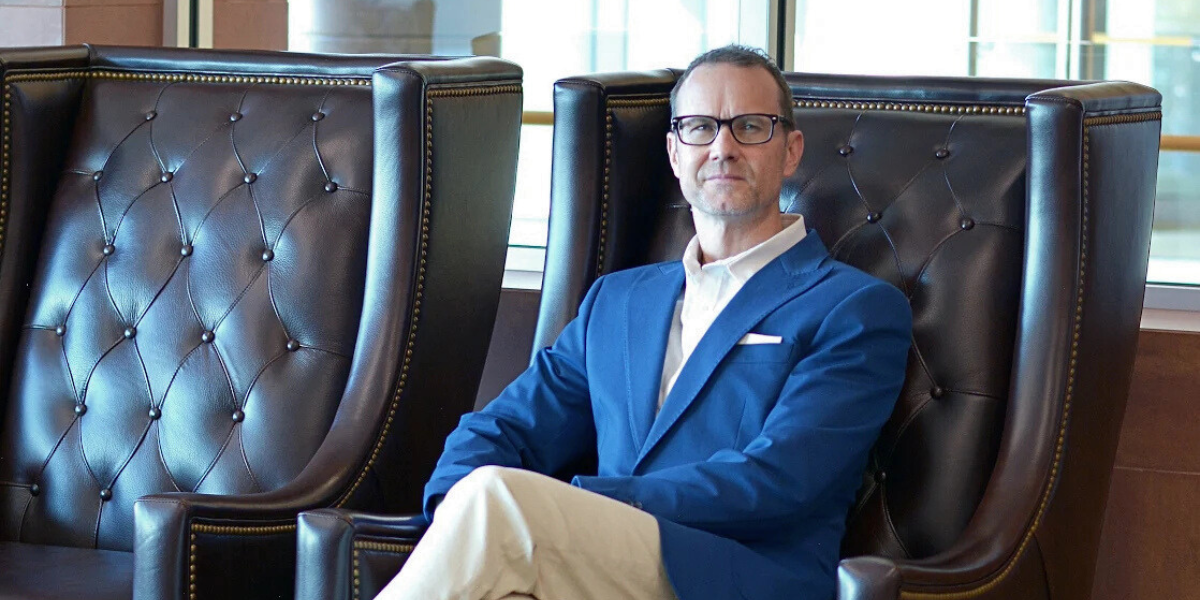
Ty J. Young Wealth Management has added a new senior leader as it prepares for another period of expansion, naming longtime Fortune 500 sales executive Michael Young as Vice President of Business Development. The appointment brings a seasoned national strategist to one of the country’s more rapidly growing independent wealth advisory firms.

Young’s arrival follows a significant period of momentum for the firm. Since 2017, Ty J. Young Wealth Management has acquired more than 40 businesses as part of a strategy designed to build scale, increase national reach, and enhance client services. Company leadership believes Young’s background leading large, complex sales teams will help elevate that strategy and open doors to new partnerships across the country.

In announcing the hire, CEO Ty J. Young said Young’s leadership experience and track record of building high-performing sales organizations make him an important addition at a pivotal time for the firm. He noted that the company intends to deepen its presence in new markets, strengthen its outreach to advisors and individual investors, and continue broadening the services it offers.

For Young, the move represents a shift into the wealth management sector after years in corporate sales, where he became known for developing national growth plans and building teams capable of executing them at scale. Those who follow the wealth management industry say the hire reflects a larger trend in which independent advisory firms are blending traditional financial expertise with leadership talent from outside the sector.

Ty J. Young Wealth Management was founded in 1998 and today oversees more than one billion dollars in assets for clients across the United States. The firm offers retirement planning, risk management, investment advisory services, and customized financial strategies for individuals and families. Its acquisition activity during the past several years has helped expand its advisor network and diversify its capabilities.

Industry analysts believe the firm’s decision to bring in a leader with Fortune 500 credentials signals that it is preparing for a new stage of development. The firm has already built a national client base and now appears focused on scaling its business infrastructure while exploring additional acquisition targets.

Michael Young’s strategic vision is expected to bring a fresh perspective to Ty J. Young Wealth Management’s approach to client acquisition and retention. With a focus on developing tailored solutions for both advisors and individual investors, Young will leverage his extensive experience in sales leadership to refine the firm’s outreach methods. His ability to forge new partnerships and manage large teams is anticipated to support the firm’s continued efforts to enhance client services and streamline operations. As part of his role, Young plans to implement a series of initiatives aimed at maintaining industry-leading client experiences, from more sophisticated tools to expanded personalized services.

Young is expected to take a central role in sourcing new business opportunities, strengthening relationships with advisors, and shaping long-term growth initiatives. His role also involves integrating recently acquired practices and supporting the firm’s continued shift toward a more nationally coordinated structure.

For clients, the leadership change may result in new programs, enhanced digital tools, or expanded advisory options as the firm continues to modernize. For the broader financial services industry, the move underscores a competitive landscape in which independent firms are increasingly adopting strategies once associated with much larger institutions.

With the addition of Young, Ty J. Young Wealth Management is positioning itself to compete more aggressively in the national wealth management market. As the firm continues executing its growth plans, its latest leadership investment suggests it is preparing to push further into new regions and broaden the scope of its client offerings.

For observers tracking the evolution of independent financial advisory firms, the company’s latest hire represents another example of how the sector is reshaping its leadership pipelines and expanding its ambitions.

Disclaimer: The content is intended for informational purposes only and should not be considered as professional advice. Always consult with a qualified financial advisor or other professional for personalized guidance and recommendations.

White House Plans to Dismantle Key U.S. Climate Research Hub

The National Center for Atmospheric Research (NCAR) has been a cornerstone of U.S. climate research since its establishment in 1960. For decades, NCAR has been instrumental in advancing our understanding of climate science, weather forecasting, and disaster preparedness. With its supercomputing facilities and collaborations with universities and international institutions, NCAR has shaped the field by providing critical data and tools for climate modeling.

This shift, marked by the decision to dismantle NCAR’s Boulder headquarters, has sparked discussions among scientists, policymakers, and local communities about the future of U.S. climate research. The transition is seen by some as an opportunity to redistribute resources, but others worry that it could lead to fragmentation in the scientific community, especially as the U.S. faces growing climate challenges.

NCAR’s Mesa Lab, perched above Boulder, has been more than just a research facility—it has been an iconic symbol of the scientific community’s collective efforts to tackle climate-related issues. As the physical location prepares to close, many are questioning how the U.S. can maintain its leadership in climate science without a central hub for collaboration and infrastructure.

Impact of NCAR’s Closure on Climate Research

The announcement of NCAR’s dismantling has raised concerns about the future coordination of U.S. climate research efforts. While officials from the National Science Foundation (NSF) assure that key activities, including weather forecasting and supercomputing, will be relocated to other institutions, the loss of a centralized research center is a significant change. NCAR has long served as a leader in providing climate data and modeling, which have been used to predict hurricanes, floods, wildfires, and other extreme weather events.

As NCAR’s functions are redistributed, experts are cautious about the potential impact on the effectiveness of climate models. These models are crucial for disaster preparedness and public safety, informing both local and national government responses to extreme weather. Without a central hub like NCAR, ensuring smooth coordination across different institutions could become more challenging, potentially leading to delays in critical data sharing and analysis.

Furthermore, the transition could disrupt ongoing research projects and collaborations that rely on NCAR’s vast network of datasets. The center has served as a key platform for universities and international researchers, allowing thousands of scientists to access tools and resources that support their climate studies. With this infrastructure no longer in place, it’s unclear how these projects will be handled in the future.

Scientific Community’s Response to NCAR’s Restructuring

The announcement to dismantle NCAR has prompted a strong response from the scientific community. Many researchers are concerned about the potential disruption to their work, particularly those involved in long-term climate projections and studies on climate change. The transition could result in the loss of important datasets, making it harder to maintain the continuity needed for accurate climate predictions.

White House Plans to Dismantle Key U.S. Climate Research Hub

Photo Credit: Unsplash.com

Scientists have expressed concerns about the fragmentation of research efforts, as climate modeling is one of the most complex areas of atmospheric science. NCAR’s centralized location allowed for more efficient data sharing and collaboration among researchers. As the responsibilities shift to other institutions, some fear that the lack of a unified platform could slow the progress of ongoing studies and affect their long-term outcomes.

The closure of NCAR’s Boulder headquarters also represents a symbolic loss for many researchers who have relied on the facility for decades. The Mesa Lab, designed by architect I.M. Pei, has been a renowned location for scientific inquiry, and its closure could leave a void in the scientific community, particularly for those who view the site as a hub for knowledge exchange and innovation.

Economic and Community Concerns in Boulder

The dismantling of NCAR has significant economic and community implications for Boulder, Colorado, where the center has been a vital part of the local economy and identity. NCAR’s presence has attracted researchers, scientists, and professionals from across the country and the world, contributing to the city’s reputation as a hub for scientific innovation. The loss of this institution could affect local businesses and the broader economy, which has long relied on the intellectual capital generated by NCAR’s work.

Local officials in Boulder have expressed concerns about the impact on jobs, especially given the number of employees who work at the NCAR facility. With its research and development teams working in various fields of climate science, the potential relocation of these functions to other institutions could lead to layoffs or disruptions to the local workforce. Moreover, the closure of the Mesa Lab could undermine the city’s standing as a center for scientific collaboration, affecting its long-term prospects as a key player in U.S. and global research initiatives.

While Boulder may lose a key economic anchor, the broader implications for climate science remain to be seen. Some observers believe that the redistribution of resources and research functions could present new opportunities for other institutions to take on leadership roles in climate science. However, careful planning will be required to ensure that research efforts remain aligned and efficient during this transition.

The Future of U.S. Climate Research

As the U.S. faces increasing climate risks, the need for robust climate research and disaster preparedness is greater than ever. NCAR has long been a leader in developing the models and tools necessary for forecasting extreme weather events, and its contributions to climate science have been critical for shaping public policy and international climate agreements. The decision to dismantle its Boulder headquarters raises important questions about how the U.S. will adapt its research infrastructure to meet future climate challenges.

While the transition away from a centralized hub could lead to a more fragmented approach to climate research, it is also possible that new institutions will emerge to take on leadership roles. The redistribution of NCAR’s functions could foster innovation, with new players bringing fresh perspectives and capabilities to the field. However, this will require careful coordination among federal agencies, academic institutions, and private sector partners to maintain the continuity of critical climate research.

Ultimately, the shift in U.S. climate research underscores the need for continued investment in scientific infrastructure that can support both long-term climate modeling and immediate disaster response. How the U.S. navigates this transition will be crucial in determining its ability to address the growing challenges of climate change, including the management of extreme weather events and the development of sustainable solutions for the future.

The dismantling of NCAR marks a significant turning point for U.S. climate research, with profound implications for the scientific community and the broader public. While the shift in infrastructure could lead to disruptions in research continuity, there is also potential for innovation as new institutions step forward. The challenge lies in ensuring that climate science remains effective and that the U.S. continues to play a leading role in addressing the global impacts of climate change. As we move forward, the question remains: how will this restructuring impact the future of U.S. climate science and its ability to tackle emerging environmental challenges?

Survey Finds Most Americans Cutting Back on Holiday Gift Spending

The holidays have always been a time for gift-giving, but recent trends are signaling a shift in consumer behavior, with many Americans planning to spend less this year. A new survey reveals that over half of U.S. consumers are reducing their holiday gift budgets, citing economic pressures like inflation, higher living costs, and uncertainty around future financial conditions. While consumers are still eager to celebrate, these changing habits underscore the evolving priorities in spending and the impact of broader economic forces on holiday traditions.

The reasons behind this reduction in spending are multifaceted. For many, rising inflation has eroded disposable income, forcing them to reassess where their dollars go. Moreover, the uncertainty surrounding job security and wages has made people more cautious about how much they’re willing to spend on gifts. Acknowledging the strains of increased cost of living and supply chain disruptions, it’s clear that people are adjusting their expectations for the season in ways that could reshape the retail landscape.

For retailers, this shift in consumer behavior could have lasting effects. They may need to adapt by offering more affordable options, running promotions earlier in the season, and focusing on value-driven marketing. The impact on businesses will likely depend on how well they can navigate the delicate balance of offering holiday cheer while respecting consumers’ increasingly tight budgets. The question now is how brands will pivot to meet this demand for thoughtful, budget-friendly gifts while maintaining profit margins.

Adapting to the New Normal: Consumer Behavior and Retail Strategy

Consumer behavior has shifted significantly in recent years, and this holiday season is no exception. Many Americans are more selective with their spending, focusing on quality over quantity and opting for more personalized gifts that provide greater meaning. The idea of “experience over possession” has become more popular, with many preferring to give or receive gifts like concert tickets, experiences, or subscriptions, rather than physical products. This trend suggests that consumers are looking for deeper connections during the holidays, a move away from the materialistic nature of past seasons.

For businesses, understanding this shift is crucial. Retailers may see a decrease in overall sales volume, but there is still an opportunity to engage consumers with meaningful offerings that prioritize thoughtfulness over cost. From a strategic standpoint, companies may benefit from personalized marketing and creating platforms where consumers can customize their gifts. Whether it’s through personalized gifts, experiences, or subscription boxes, brands that tap into the deeper motivations behind holiday spending could find a way to sustain demand in a more financially cautious market.

As consumer spending habits evolve, the broader impact on retail businesses will continue to unfold. However, the question remains: can retailers successfully pivot to meet these changing demands, or will they struggle to adapt to a market where spending on material gifts is declining? The answer could reshape the future of retail and holiday shopping trends for years to come.

The Role of Inflation in Consumer Spending Decisions

Inflation has had a profound effect on consumer confidence and purchasing behavior over the past year. With prices rising on everyday goods, many households are finding it harder to allocate funds for discretionary spending like holiday gifts. As a result, shoppers are opting for smaller, more thoughtful gestures rather than large, expensive presents. The desire for affordability has prompted consumers to seek out discounted products or smaller, more personalized gifts that still carry emotional weight but don’t come with hefty price tags.

This shift in spending patterns reflects an underlying concern among many Americans about their financial security, with many choosing to prioritize savings or paying down debt instead of spending on non-essential items. In a time when the cost of living continues to rise, cutting back on holiday expenditures may be a financial safeguard, allowing families to better manage uncertainty. It’s a reminder that even during festive seasons, people are increasingly focused on financial stability.

Retailers who wish to maintain consumer interest during this period must embrace these changes. Value-driven retail has become a necessity. Offering promotions, loyalty discounts, or bundling items together for a more attractive price could help businesses maintain their foothold in a market where many shoppers are more financially cautious. This trend may push brands to reevaluate their pricing strategies, ultimately making affordability a cornerstone of their holiday marketing campaigns.

How Technology and Online Shopping Are Shaping Holiday Spending

As Americans continue to prioritize affordable gift options, the role of e-commerce and digital shopping experiences has only grown. More consumers are turning to online platforms, where they can easily compare prices, find discounted items, and even purchase secondhand gifts. Online shopping allows for more strategic spending, as consumers can shop with more focus, often relying on price comparison tools and subscription services that offer exclusive deals.

In addition to the convenience of online shopping, the growth of social commerce has given businesses an opportunity to connect with shoppers through social media platforms, making it easier to target deals directly to their audience. However, businesses need to ensure that their digital storefronts provide an experience that emphasizes convenience, trust, and value to meet the needs of these increasingly price-sensitive consumers. Additionally, offering buy-now-pay-later options could help alleviate financial concerns, while maintaining consumer interest in purchasing gifts.

With e-commerce projected to see continued growth, especially in the lead-up to the holiday season, businesses that invest in a seamless, customer-first digital experience will likely capture the attention of those looking to save time and money. Retailers who fail to keep pace with digital trends may see a decline in sales, as consumers continue to gravitate toward online platforms that make their shopping experience smoother, cheaper, and more rewarding.

The Impact of Economic Uncertainty on Consumer Confidence

Economic uncertainty is another significant driver of reduced holiday spending. Global supply chain disruptions, coupled with rising energy costs, have increased inflationary pressures, leaving many Americans feeling financially uncertain. For businesses, this uncertainty presents a challenge: how can they keep consumers engaged during a time of uncertainty? The answer lies in offering predictable pricing, clear value propositions, and flexible payment options that ease financial strain.

As consumer confidence fluctuates, many are opting for a simpler holiday experience, one that values connections over costly purchases. Companies can meet this demand by offering gift bundles, DIY options, or low-cost add-ons that align with a more modest gift-giving approach. By aligning with consumer sentiment, retailers can carve out a niche for themselves during a time of cautious spending, showing that they understand their customers’ shifting priorities.

Despite the financial challenges of 2025, consumers are still looking to make the season special, albeit with a mindful approach to spending. This balance between affordability and emotional value will guide the future of holiday retail strategies and provide valuable insights for businesses looking to capitalize on evolving trends in consumer behavior.

The shift in holiday spending habits signals a fundamental change in the way consumers approach gift-giving during a financially uncertain period. For businesses, adapting to this change with thoughtful, affordable solutions will be key to driving sales and retaining customer loyalty. As we continue through this transformative holiday season, the ability to balance value and sentiment will dictate success in an increasingly cautious market.

A Detailed Overview of SIRE Life Sciences within Europe’s Expanding Medtech Regulatory Landscape

Over the past 10 years, regulations in the medical devices and diagnostics industry in Europe have become increasingly complicated. The Medical Device Regulation of 2017 and the In Vitro Diagnostic Regulation of 2017 altered vendor practices not only in documentation workflow but also in how the safety of a product is monitored after it is released to market. The shift increased the amount of technical evidence required for CE marking, as well as the responsibility placed on companies to maintain the retention of Quality Management Systems (QMS) compliant with ISO 13485. Consequently, companies across Europe sought structured support to keep up with changing rules and ensure that their internal processes met the expectations of their notified bodies.

Across the European Union, regulators have reported that the volume of technical documentation submitted for assessment has increased significantly since the transition from MDD to MDR. According to data shared by the European Commission in 2023, applications for MDR certification increased significantly compared to the previous three-year period, reflecting the growing demand for regulatory approval of medical devices in the EU. This increase has created a heightened need for specialized consulting support, particularly for firms facing gaps in documentation, risk classification, or post-market surveillance planning. These challenges have also encouraged companies to adopt more mature quality management systems that meet the requirements of ISO 13485, which remains the primary international standard guiding device manufacturing practices.

Within this broader context, SIRE Life Sciences has built a consulting practice that supports medical device and diagnostics organizations as they respond to these regulatory shifts. Under the leadership of Jordy Stravers, the company has developed capabilities that address compliance readiness, quality system development, and the preparation of technical documentation required for European market access. These services reflect a broader trend in which European firms seek external regulatory expertise to strengthen internal audit procedures and documentation accuracy, especially during the transition timelines associated with MDR and IVDR.

A central area of SIRE Life Sciences’ work is supporting companies preparing for MDR readiness assessments. Many organizations have required updated conformity strategies following changes to clinical evidence provisions, device classification rules, and post-market clinical follow-up requirements. Consultants from the firm assist clients in reviewing their existing documentation, identifying gaps, and organizing the materials required for CE marking submissions. This support has become particularly relevant as data from the European Commission shows that only a limited percentage of legacy devices completed full MDR certification by early 2024, underscoring the urgency of structured compliance planning.

Technical documentation remains one of the most resource-intensive components of device regulation. Many companies have had to revise their product dossiers to include expanded sections on risk management, usability, and post-market performance. SIRE Life Sciences contributes to this process by helping firms assemble complete files that follow MDR requirements. This work includes organizing clinical evaluation reports, updating risk documentation in accordance with ISO 14971, and preparing labeling materials that comply with relevant language and content requirements. The company’s involvement reflects a broader shift within the medtech sector, where documentation completeness has become a critical determinant of regulatory timelines.

Another area of growing demand relates to ISO 13485 quality management system maturity. European regulators have reported that gaps in QMS design are among the most common reasons for delayed device approvals. To address this, SIRE Life Sciences guides on implementing quality systems and preparing for internal audits. This includes reviews of manufacturing procedures, document control systems, supplier management frameworks, and CAPA processes. These activities align with the expectations of both notified bodies and international standards organizations, and they help clients prepare for surveillance audits conducted at regular intervals.

Post-market surveillance has become increasingly crucial under MDR, which places stronger obligations on manufacturers to collect and evaluate safety data throughout a product’s lifecycle. Companies are now required to submit periodic safety update reports and trend analyses for a wide range of devices. SIRE Life Sciences assists clients in establishing monitoring systems that track field performance, incident reporting, and follow-up investigations. This work is connected to the firm’s broader regulatory consulting activities, including safety documentation updates and preparation for unannounced audits, which have become more common in Europe since 2014.

Throughout these engagements, the company’s work is shaped by regulatory expectations set by European institutions, including the European Medicines Agency and national competent authorities. The consulting work does not reference specific clients, but it reflects a range of common challenges faced by medtech organizations throughout the continent. These challenges include the need for accurate documentation, the pressure to meet regulatory timelines, and the requirement for continuous updates to quality management practices.

SIRE Life Sciences has expanded its regulatory consulting services across Europe and other countries in recent years. Under Jordy Stravers’s leadership, they have continued to work with organizations focused on device construction, diagnostics, and quality improvement programs. The consulting work put them in touch with their network of consulting firms that assist medtech companies with compliance in a heterogeneous regulatory environment across diverse jurisdictions in Europe. Participating in this activity illustrates the continuing role of a consultancy in aiding compliance and maintaining ongoing stability within a complex set of regulations.

U.S. Auto Industry News: Ford Curtails EV Plans Amid Policy Shifts

Ford Motor Company has announced a significant shift in its electric vehicle (EV) strategy. The company will scale back several high-profile electric vehicle models and redirect its focus toward hybrid technologies and extended-range vehicles. This move reflects a response to slowing consumer demand for all-electric models and evolving market conditions. As Ford adjusts to these changes, its decision highlights how companies must adapt to consumer preferences and shifting policy environments.

For Ford, this pivot is not just about halting specific models but also rethinking its overall EV lineup. The company plans to continue its work on hybrid models, which combine traditional combustion engines with electric systems, offering consumers a practical alternative. This strategy will provide customers with more options that balance efficiency, convenience, and the reality of limited EV infrastructure. Ford is recalibrating its expectations, emphasizing that the transition to full electrification will take longer than initially anticipated.

The move represents a significant realignment for Ford, a company once seen as a leader in EV development. Rather than solely focusing on all-electric models, Ford is positioning itself as a bridge between traditional vehicles and future mobility solutions. This decision aligns with the current market realities and ensures that Ford can remain competitive as it navigates the complexities of an evolving auto industry.

Understanding Consumer Behavior and Market Realities

Ford’s shift away from all-electric models highlights important consumer trends and market dynamics that have impacted the automotive sector. Early enthusiasm for electric vehicles helped drive early growth, but recent data shows that consumer demand has plateaued. The higher price point of EVs, along with concerns over charging infrastructure, have led many buyers to hesitate before making the transition to fully electric vehicles.

This hesitancy has encouraged automakers like Ford to reevaluate their EV strategies. Rather than pushing all-electric models at a time when consumer confidence is wavering, Ford is expanding its offerings in hybrids and extended-range electric vehicles. These vehicles allow for greater flexibility, offering the fuel efficiency of electric power while retaining the convenience of traditional fueling methods. The goal is to provide realistic options that align with consumer needs, making hybrid vehicles an attractive alternative for many drivers.

This shift emphasizes a larger industry reality: the path to electrification is not a straight line. Market readiness, consumer willingness, and the availability of supporting infrastructure will dictate the rate of EV adoption. By recognizing these factors, Ford is strategically adjusting its focus, balancing innovation with practicality to meet evolving market demands.

Industry Impact and Competitive Landscape

Ford’s decision to scale back its electric vehicle production has significant implications for the broader U.S. auto industry. Automakers are now closely watching how this shift will affect supply chains, battery demand, and competitive strategies. While some manufacturers may continue to push forward with their aggressive electrification timelines, others may follow Ford’s lead and explore a more balanced approach that includes both electric and hybrid solutions.

U.S. Auto Industry News Ford Curtails EV Plans Amid Policy Shifts

Photo Credit: Unsplash.com

This change in Ford’s approach also has ramifications for the broader supply chain, particularly in the procurement of materials like lithium and rare earth metals, which are essential for EV production. As demand for traditional vehicles remains steady, the supply chain will likely see a shift toward components that serve both conventional and hybrid vehicle production. The market for these materials will need to adjust to a dual-track system rather than focusing solely on electric components.

For global competition, Ford’s pivot underscores a major question for the future of U.S. automakers: How can companies adapt quickly to changing consumer demands while maintaining profitability and innovation? The industry is moving from a period of rapid electrification to a more balanced approach, where flexibility is key. Ford’s decision signals that the path forward may involve a mix of traditional powertrains and emerging electric technologies.

Economic and Workforce Considerations

Ford’s decision to scale back on certain electric vehicle programs has both economic and workforce implications. Job patterns in manufacturing will likely shift as EV production decreases and hybrid assembly increases. Ford is expected to focus more on hybrid production lines and battery energy storage initiatives, which could create new job opportunities in these sectors.

The impact on suppliers will also be notable. As Ford reduces its electric vehicle output, the demand for electric vehicle components such as batteries and electric motors will decrease, while demand for traditional auto parts will remain strong. This shift could lead to changes in supplier relationships, with new opportunities emerging for those involved in hybrid technology and energy storage systems.

At the community level, Ford’s manufacturing footprint will experience changes as well. While some jobs may shift away from pure EV production, new roles will emerge in hybrid manufacturing, battery production, and energy storage. This transition highlights the need for adaptable labor forces in the auto industry, as workers shift between evolving production demands and technological innovations.

The Future Path for U.S. Automakers

Ford’s decision to curtail its all-electric vehicle plans amidst evolving market conditions signals a turning point for U.S. automakers. As the auto industry adapts to shifting demand and changing consumer preferences, Ford’s pivot toward hybrid models and extended-range vehicles demonstrates a recalibrated vision for the future of transportation.

For consumers, Ford’s decision offers reassurance that automakers are responding to their concerns about EV pricing and charging infrastructure. For the auto industry, this shift underscores the need for flexibility in strategy — balancing technological innovation with the practical realities of market adoption and consumer confidence. The broader automotive landscape will likely follow a similar path, where hybrids and electric vehicles coexist in a more sustainable and consumer-friendly future.

Ultimately, Ford’s strategic recalibration reflects a broader trend in U.S. automaker strategy, one that prioritizes both sustainability and profitability. As automakers navigate the complexities of the electric future, Ford’s decision highlights the importance of being responsive to market shifts while maintaining a long-term commitment to innovation. The future of U.S. auto manufacturing will likely include both traditional vehicles and hybrid models, leading to an evolving landscape of mobility solutions.

Paul Davis Restoration of Southeast MO, Carbondale & Paducah Raises the Bar in Compassionate, End-to-End Property Recovery

When disaster strikes, property owners need more than tools and trucks. They need a steady, caring team that will bring clarity to chaos, protect what matters most, and see the job through to the last detail. Paul Davis Restoration of Southeast MO, Carbondale & Paducah serves that role across Southeast Missouri, southern Illinois, and western Kentucky, combining certified expertise with a people-first mindset that restores both property and peace of mind.

A Compassion-First Approach With Certified Expertise

Property damage disrupts daily life, not just drywall. The Paul Davis Restoration of Southeast MO, Carbondale & Paducah team approaches every fire, water, mold, or storm loss with technical skill and human care. This local, family‑owned and operated office is IICRC certified and built around professional service, clear communication, and accountability. From the first call, a single point of contact keeps owners informed, avoids jargon, and explains each step so decisions feel simple and confident. Workmanship is backed by a workmanship assurance and full warranty, and the team offers free estimates, in‑home assessments, and thoughtful consultations that set a transparent foundation for the work ahead.

Fast, 24/7 Response That Limits Loss

Speed matters when minutes can prevent additional damage. The team strives to connect with customers within 30 minutes of a claim and mobilizes to be onsite within hours, day or night. That rapid start stabilizes the scene, protects belongings, and positions reconstruction for success. Throughout the process, crews document conditions to support insurance claims while keeping timelines on track. Consistent updates, photo documentation, and clear schedules replace uncertainty with confidence, so owners always know who is arriving, what will happen next, and how long each phase will take.

End-to-End Solutions Under One Roof

Paul Davis Restoration of Southeast MO, Carbondale & Paducah delivers a complete continuum of services, from emergency mitigation to full reconstruction and even remodeling. Homeowners and business leaders work with one trusted partner instead of juggling multiple contractors. The branch coordinates demolition, drying, cleaning, structural repairs, and finishing, then guides a final walkthrough to confirm quality. For commercial clients, the team develops Emergency Response Plans that shorten downtime if an event occurs, mapping shutoffs, access points, and priority contacts so decisions are faster when time is critical.

Trusted Outcomes for Homeowners, Businesses, and Insurers

For Homeowners

The priority is restoring comfort and confidence as much as walls and floors. Customers receive frequent updates, photo documentation, and clear schedules. Families know who is coming to the home and what will happen next, which reduces stress during a difficult moment. Free in‑home estimates and plain‑language explanations of scope help households make informed choices without surprises.

For Business Owners

Every hour closed is an hour of lost revenue. Paul Davis focuses on safety, continuity, and appearance so organizations can reopen quickly. Crews coordinate around operating hours, create phased plans that keep critical areas functioning when possible, and work to protect brand image throughout the project. The result is a professional restoration experience that respects customers, staff, and the bottom line.

For Insurance Partners

Adjusters and TPAs benefit from accurate documentation, standardized, insurance‑approved estimating, and smooth communication with policyholders. The branch manages claims correspondence, shares detailed reports, and responds promptly to questions. By aligning high technical standards with customer care, Paul Davis helps carriers achieve fair outcomes and higher satisfaction.

Voices From the Community

Local customers describe the experience in their own words. “Excellent service, from the time of call, until the last part of the job was done. Made sure we were 100 percent satisfied before they left. Hopefully not, but would definitely use Paul Davis from Sikeston, MO again if needed. Thank you for everything,” wrote Denny Dalton. Another homeowner, Katelyn Draves, shared, “The Paul Davis staff were so friendly. They helped me with everything I needed and did a perfect job doing it. Would 10 out of 10 recommend it to anyone needing assistance.” These testimonies echo what many in the region report: responsive teams, professional work, and results that look great when the job is done.

How to Connect

Property owners can explore services, service areas, and emergency support on the Paul Davis Restoration of Southeast Missouri, Carbondale & Paducah official website. Project highlights and community outreach are shared regularly on the team’s Instagram profile, and educational walk‑throughs and tips appear on the branch YouTube channel.

About Paul Davis Restoration of Southeast MO, Carbondale & Paducah

Paul Davis Restoration of Southeast MO, Carbondale & Paducah provides emergency restoration, reconstruction, and remodeling for residential and commercial properties impacted by water, fire, smoke, mold, and storm events. The team is IICRC certified, manages insurance claims with standardized estimating, and stands behind results with a workmanship assurance and full warranty. With 24/7 emergency service, a single point of contact, and a commitment to over‑communication, the branch restores both properties and peace of mind for homeowners, business owners, and insurance partners across the region.

Exploring Margaret Graziano’s Approach to Leadership Retreats

By: Mary Sahagun

Margaret Graziano has built a reputation for creating the kinds of breakthroughs organizations try and fail to produce inside their own walls. While most companies attempt to solve cultural friction through meetings, off-sites, and reorganization plans, her business, Keen Alignment’s transformational retreats, aim to foster deep alignment, self-awareness, and behavioral shifts to enhance leadership and collaboration.

Many teams remain focused on daily tasks, and even during off-sites, the existing mindset and hierarchy can persist. Transformation may require a shift in context, not just a change in environment.

As Margaret puts it, “You cannot shift a team while keeping them in the same patterns that created the friction. You have to interrupt the system or the system wins.”

Breakthrough Requires Leaving the Environment That Created the Problem

Organizations often believe they can negotiate alignment through agenda items and presentations. But leaders may find it challenging to adopt new behaviors when remaining in the same environments and pressures.

Keen Alignment removes leaders from that environment and places them into experiences that require presence and truth. Participants in these retreats engage in high-challenge activities, address communication challenges, and work on alignment. When the context shifts, people shift with it. This is the first step in Margaret’s ResponseAgility™ framework, the practice of meeting pressure with clarity instead of reactivity.

Transformation begins when leaders stop hiding behind titles and routines.

Experiential Design Where Insight Becomes Action

Most leadership programs teach concepts. Margaret builds encounters. Retreats show leaders who they are under pressure, not who they believe themselves to be. 

“When people see themselves in action, the truth hits fast,” she says. “You cannot hide your patterns when the experience exposes them.”

When someone freezes at the top of a ropes element or over-controls a group task, the experience reveals patterns that no classroom tool can match.

Participants walk away with embodied insight. They feel what collaboration requires. They see where their habits restrict flow. They understand how their leadership impacts others. Some research suggests that intense experiential moments can reorganize beliefs and behaviors faster than traditional instruction.

Insight informs. Experience transforms.

Deep Alignment Circles Create the Reset No Meeting Can Produce

The deep alignment circle remains one of Margaret’s most powerful interventions. This is not venting or surface-level bonding. It is structured, precise, and rooted in ownership.

“Once truth enters the room, everything changes,” she explains. “People stop defending old stories and start leading from responsibility.”

Leaders address behavior patterns that hinder performance, and some executives note it as the first time their teams have communicated openly.

Once truth enters, alignment becomes possible. Alignment is the foundation of a liberated workforce where people lead from purpose, not fear.

Why Companies Cannot Facilitate Their Own Breakthroughs

Internal teams may face challenges in fostering complete honesty due to power dynamics. No one tells the whole truth to their boss. As a result, breakthroughs never occur because the system does not allow them.

Margaret’s workshops focus on creating a neutral space that allows teams to address underlying patterns affecting performance.

“Liberation at work means people stop operating from fear,” she describes. “They reclaim their power to choose how they lead, how they communicate, and how they show up.”

This is the essence of liberation at work. People return with more clarity, more confidence, and more capacity to make intentional choices.

The Shift That Lasts Long After the Retreat Ends

The most important change happens after the retreat. Leaders may experience clearer communication, faster decision-making, and improved accountability after the retreats.

“You cannot talk your way into transformation,” Margaret says. “You have to experience the moment that changes you.”

Keen Alignment does not run off-sites. They run turning points and programs designed to liberate people at work.

Disclaimer: The information provided in this article is for general informational purposes only and is not intended as legal, financial, or professional advice. While we strive for accuracy, we make no representations or warranties, express or implied, about the completeness, accuracy, reliability, suitability, or availability of this information. Use of this information is at your own risk.

The Journey That Shaped David Sefcik’s Approach to Network Marketing and Foundational Wellness

For years, David “Dee” Sefcik and his wife, Stacie, carried a label that felt both clinical and crushing: “unexplained infertility.” After the birth of their first child, they spent countless hours in doctors’ offices—doing tests and procedures, trying medications—and kept hearing the same answer: “We don’t know why.” The desire for another child never went away, but their hope that anything would change slowly faded.

Their second child, a daughter born 9 years later in 2019, arrived without treatments or interventions. She reminded them that Stacie’s body was capable, but they still didn’t understand why it had been so hard—or what it would take for her body to feel truly supported again.

From “Unexplained” to Unexplored

In 2022, everything shifted. Stacie felt a strong impression that it was time to look at her health differently—to stop accepting “unexplained” and start exploring what was really going on. Together, they leaned into a new approach: supporting hormones, lowering toxic load, rebuilding nutrition, and using essential oils and whole-food supplements to strengthen her from the inside out.

What happened next stunned them. In eighteen months, Stacie became pregnant three times—something that had never happened before. The first two pregnancies ended in miscarriage, and the grief was real. But this time, the losses carried a different message: her body was capable. In 2025, on the third pregnancy, they welcomed a healthy baby girl. Stacie often says she could feel the difference—more stability, more energy, and a deep sense that her body was finally in balance.

That journey changed Dee forever. “Unexplained infertility” became “unexplored health.” He saw firsthand what can happen when you remove what harms, restore what the body needs, and give it time to heal. Foundational wellness stopped being a nice idea and became a personal mission.

When Being a Corporate Coach Wasn’t Enough Anymore

All of this was happening while Dee was still working at doTERRA corporate, serving as an Account Manager and coaching leaders in the field. For ten years, he helped others build businesses that created time and financial freedom. He mapped out rank plans, broke big goals into daily actions, and watched ordinary people step into extraordinary lives.

At first, that work was deeply satisfying. He believed in the products and was grateful for the stability. But slowly, a quiet hunger started to grow. The bus rides to work that once felt routine started to feel heavy. Same route, same building, same conversations. His mind and heart were telling him something his body was already feeling: he wasn’t growing anymore.

When “Fine” Becomes Frustration

Over time, “fine” turned into frustration. Dee would coach leaders on how to claim their freedom, then go home knowing his own family’s future was still capped by a salary and someone else’s calendar. He loved his job, but he couldn’t shake the feeling that he was living half of his purpose—helping everyone else step into something he hadn’t fully claimed himself.

That dissatisfaction eventually pushed him to a threshold moment. There was no big explosion, just a clear, internal line: I can’t keep doing this the same way. He realized the problem wasn’t the company or the people—it was that he was being called into a different role with a similar mission.

The next insight was uncomfortable and freeing at the same time: No one is going to make this change for me. If I want a change, I have to choose it.

The Journey That Shaped David Sefcik’s Approach to Network Marketing and Foundational Wellness

Photo Courtesy: Stacie Sefcik

Dee Took a Major Leap

That realization opened a door into the unknown. Leaving corporate meant walking away from comfort and a job he was good at. But staying would mean ignoring the principles he was teaching others: learn, grow, and act.

On January 17, 2025, Dee stepped through that opening. He left his corporate position and moved into the field as a doTERRA Wellness Advocate and Foundational Wellness Coach.

Naturally Limitless Today

Today, his business—Naturally Limitless—is the expression of everything he’s lived. Dee helps individuals and families move from “unexplained” to “unexplored” in their own health: supporting their bodies at the root level, lowering toxic load, calming the nervous system, and using essential oils and simple daily habits to rebuild from the ground up. He also mentors builders who want to create sustainable businesses that honor both their health and their families.

For Dee, success is no longer just about titles or income. It’s the mom who has enough energy to be present with her kids again. The couple who feels hopeful instead of broken. The leader who realizes they can grow a serious business while balancing a busy life.

His story is not about a single dramatic leap, but about listening—again and again—to the quiet truth inside: when we remove what harms, restore what the body and soul need, and choose growth over comfort, we unlock what we were designed for.

For more information and to connect with Dee Sefcik, you can visit the following links:


Disclaimer: Testimonials in this article reflect personal experiences and aren’t guaranteed. Results vary based on effort, experience, and commitment.

Diamond Recovery Group Recognized as One of Palm Beach County’s Sought-After Workplaces in 2025

Palm Beach County, FL — Diamond Recovery Group, a leading provider of behavioral health, addiction treatment, and mental health services, has been recognized as one of Palm Beach County’s most sought-after companies to work for in 2025. With programs spanning detox, residential treatment, mental health services, and specialized clinical support, the organization has earned a reputation not only for exceptional client care but for fostering an environment where employees feel valued, supported, and inspired by meaningful work.

This recognition highlights Diamond Recovery Group’s rapid growth and its strong emphasis on employee engagement, professional development, and organizational culture. At a time when behavioral health providers across the country face staffing shortages, burnout, and rising demand for services, Diamond Recovery Group has managed to stand out as an employer that prioritizes the well-being of its team just as deeply as it prioritizes the individuals and families it serves. The result is a workplace that attracts compassionate professionals who want to grow their careers within an organization that truly honors the mission of recovery.

Diamond Recovery Group’s innovative approach to treatment is complemented by a culture built on collaboration, ongoing education, and emotional support. Leadership has implemented comprehensive training programs, trauma-informed care practices, mentorship opportunities, and clear advancement pathways that allow staff to expand their skills and pursue long-term career goals. Employees describe the workplace as structured yet uplifting, fast-paced yet encouraging, and rooted in purpose-driven teamwork. These qualities have played a major role in the company’s rising reputation as a premier behavioral health employer in Palm Beach County.

Kara Conn, Director of Talent Acquisitions for Diamond Recovery Group, has been instrumental in developing the processes and culture that have strengthened the organization’s workforce. Conn explains that employees are drawn to the organization because they want to be part of something meaningful. “People want to work in a place where they feel valued, supported, and connected to a greater purpose,” she shared. “Our team members know they are making an impact every day, and we ensure they have the training, resources, and leadership guidance needed to thrive.” While Conn emphasizes humility and teamwork, she also notes that the company’s forward-thinking approach to recruitment and retention has helped establish it as a top choice among mental health and addiction professionals.

Another driving force behind Diamond Recovery Group’s status as a sought-after workplace is its commitment to transparency and communication. Leadership fosters an environment where staff members feel comfortable sharing feedback, voicing ideas, and participating in organizational growth. Regular team meetings, open-door policies, and opportunities for cross-department collaboration have made the company a place where employees feel involved and appreciated. This level of engagement has directly contributed to high employee satisfaction and strong retention, setting Diamond Recovery Group apart in a highly competitive field.

The organization’s mission-driven focus resonates deeply within the community and among job seekers. As addiction and mental health needs continue to rise nationwide, Diamond Recovery Group has expanded its services while preserving its core values of compassion, dignity, and individualized care. Employees take pride in being part of a team that genuinely changes lives, and potential applicants are drawn to a workplace where they know their efforts will make a measurable difference.

Looking ahead into 2025, Diamond Recovery Group plans to continue expanding its programs, hiring passionate clinicians, and strengthening its presence in Palm Beach County and beyond. Leadership remains committed to maintaining a company culture rooted in integrity, support, and excellence. The recognition as one of the most sought-after workplaces reflects not only what the company has achieved but the strong foundation it continues to build.

Diamond Recovery Group is honored to receive this recognition and remains dedicated to supporting both its employees and the individuals who rely on its life-changing services. By investing in talent, prioritizing well-being, and leading with compassion, the organization is poised to remain a top employer in Palm Beach County for years to come.

For all employment inquiries, please reach out to Kara Conn at Hr@diamondrecovery.com


Disclaimer: The content of this article is intended for informational purposes only. Treatment outcomes can vary, and it is important to consult with qualified healthcare professionals to determine the best course of action for addiction recovery. Always seek professional advice when considering treatment options for substance use disorders.

Boeing Supply Chain Acquisition: What Leaders Must Know

The recent acquisition of Spirit AeroSystems by Boeing marks a significant shift in the U.S. aerospace industry’s supply chain dynamics. The $4.7 billion deal, finalized after extensive regulatory review, enables Boeing to regain control over a crucial supplier that has long been responsible for key components in its commercial aircraft programs. This acquisition is more than a business transaction; it has the potential to reshape the future of aerospace manufacturing, driving operational efficiency and innovation. For business leaders in aerospace and manufacturing, understanding the strategic implications of this deal is vital for both competitive positioning and supply chain management.

Shifting the Aerospace Supply Chain Paradigm

Boeing’s decision to acquire Spirit AeroSystems is rooted in a strategic need to enhance its manufacturing capabilities and mitigate supply chain disruptions. By bringing this key player back into its fold, Boeing aims to strengthen its control over production timelines, quality standards, and costs. The move could signal a broader trend in industries where supply chain vulnerabilities have been laid bare by the pandemic and global trade disruptions.

The aerospace sector, notorious for its reliance on a complex web of suppliers, has faced numerous challenges in recent years. From delays in production to the escalating costs of raw materials, these disruptions have had ripple effects across the entire global supply chain. With Boeing now in direct control of Spirit AeroSystems, it is poised to streamline its operations, potentially reducing these bottlenecks. Could this acquisition be a model for other industries seeking to reduce dependency on third-party suppliers?

Business leaders across various sectors may find themselves questioning how the Boeing-Spirit deal could influence their own supply chain strategies. How much control is too much? When should businesses take matters into their own hands to secure the flow of goods and services, and when is it better to diversify?

Expanding Market Influence: The Competitive Edge

One of the most noteworthy aspects of the Boeing-Spirit acquisition is its potential to position Boeing more effectively against its competitors. Spirit AeroSystems has been a key supplier not only to Boeing but also to rival Airbus. With this deal, Boeing could see a significant advantage in both cost management and production speed. The question for Boeing’s competitors is clear: How will they respond to this heightened vertical integration?

Boeing Supply Chain Acquisition What Leaders Must Know (1)

Photo Credit: Unsplash.com

While Boeing’s decision to bring Spirit in-house may provide a competitive edge, it also comes with risks. The challenge lies in managing such a massive supply chain overhaul without alienating existing partners. Could Boeing’s increased control over production lead to tensions with smaller suppliers who may feel sidelined in the new business model?

For executives looking at this deal, it’s important to consider how vertical integration could play out in their own industries. Does controlling every aspect of production make sense for all companies, or is it more beneficial to maintain strategic partnerships with specialized suppliers? Leaders will need to weigh the cost-benefit dynamics in light of this new aerospace model.

Navigating Regulatory Landscape: The Power of Compliance

The successful closing of the Boeing-Spirit deal illustrates the critical role that regulatory compliance plays in the modern business world. While the deal itself was structured to comply with antitrust laws and competition concerns, it brings to the forefront the increasing scrutiny faced by large corporations when consolidating industry players. For Boeing, navigating this regulatory process smoothly was essential to avoid any legal obstacles that could have delayed the acquisition.

With governments and regulatory bodies becoming more vigilant about market consolidation, businesses in every industry must stay ahead of the curve. Companies contemplating similar acquisitions or mergers should be prepared for thorough scrutiny. How can firms streamline their internal processes to ensure they comply with evolving regulations without losing momentum on strategic growth?

This topic of compliance is particularly pressing for leaders in industries where consolidation is becoming more common, such as technology, pharmaceuticals, and manufacturing. As companies scale and consider larger mergers, ensuring that regulatory hurdles are cleared in advance will be a critical part of the decision-making process.

Supply Chain Transparency: A New Era of Accountability

The Boeing acquisition also emphasizes a larger trend toward transparency and accountability in supply chain management. In a world where corporate responsibility is becoming a key factor in consumer decision-making, Boeing’s increased control over its supply chain could be seen as a step toward demonstrating accountability. The company can now offer more insight into its production processes, traceability, and sustainability efforts.

As the public increasingly demands corporate transparency, businesses must adapt. Could Boeing’s model become a benchmark for other companies that need to assure customers and investors about the ethical sourcing and sustainability of their products? If Boeing can leverage this acquisition to not only improve efficiency but also bolster its brand image with more transparent supply chain practices, it could open new opportunities in the marketplace.

For leaders across industries, the focus is on how to balance efficiency with ethical responsibility. The rise of conscious consumerism and corporate social responsibility initiatives means that companies must take a hard look at how their supply chains operate. Will increasing supply chain control improve corporate accountability in your business?

The Future of Aerospace and Beyond: What’s Next for Boeing?

Looking beyond the immediate impacts, the Boeing-Spirit deal raises questions about the future of the aerospace industry. Will this transaction set a precedent for other companies looking to gain more control over their supply chains? As the industry recovers from pandemic-induced disruptions and faces increased competition, Boeing’s move could signal a shift toward more integrated, self-sustaining operations across the sector.

As Boeing moves forward with this acquisition, the industry will be watching closely to see if it can successfully integrate Spirit AeroSystems and deliver on the promises of improved operational control. For leaders in aerospace and other sectors, the key question will be: How can similar strategies be applied to future-proof supply chains in a volatile global economy?

This deal also poses broader questions for business leaders across the U.S.: How are companies navigating the delicate balance of controlling critical supply chains while maintaining relationships with strategic partners? In an era where resilience and flexibility are essential, Boeing’s acquisition could provide valuable lessons on securing competitive advantages in uncertain times.