US Business News

Revolutionizing Communication: Krishna Chaitanya Rao Kathala’s Invention of Sign Language Translator Bridges the Gap for the Deaf and Speech-Impaired

By: Krishna Chaitanya Rao Kathala

In an innovative move, prolific inventor Krishna Chaitanya Rao Kathala and his team of researchers have developed a cutting-edge Sign Language Translator that is set to transform the lives of the deaf and speech-impaired. This innovative technology granted a patent application by the Indian Patent Office (Patent Application No. 202321041213), has the potential to eliminate communication barriers and promote greater inclusivity.

Driven by a deep passion for STEM equity and a commitment to addressing the unmet needs of underserved populations, Kathala and his team have leveraged the power of artificial intelligence and cutting-edge technology to create a game-changing solution. The Sign Language Translator employs a Convolutional Neural Network (CNN) to efficiently detect and recognize a wide range of hand gestures, converting them into text and audio output, enabling seamless communication between the deaf/speech-impaired and the general public.

“Our mission is to empower the deaf and speech-impaired community, providing them with the tools they need to express themselves freely and engage with the world around them,” said Krishna Kathala. “This technology is a testament to the transformative power of STEM education and the importance of developing technological solutions for the common good.”

The Sign Language Translator consists of two primary modules: hand gesture recognition and speech recognition. The hand gesture recognition module utilizes the CNN’s powerful image processing capabilities to accurately identify and interpret sign language patterns, while the speech recognition module converts the translated text into audible output, ensuring that both parties can understand the conversation.

One of the key features of this technology is its ability to adapt and enhance the visual quality of the input images. As Kathala explains, “When an image is transformed from one form to another, such as digitizing, scanning, or communicating, degradation often occurs. Our system employs image enhancement techniques to improve the interpretability and clarity of the input, ensuring a more accurate and seamless translation process.”

The implications of the Sign Language Translator extend far beyond just improving communication. Kathala and his team believe that this technology can play a crucial role in addressing the longstanding issue of STEM (Science, Technology, Engineering, and Mathematics) equity for disabled students.

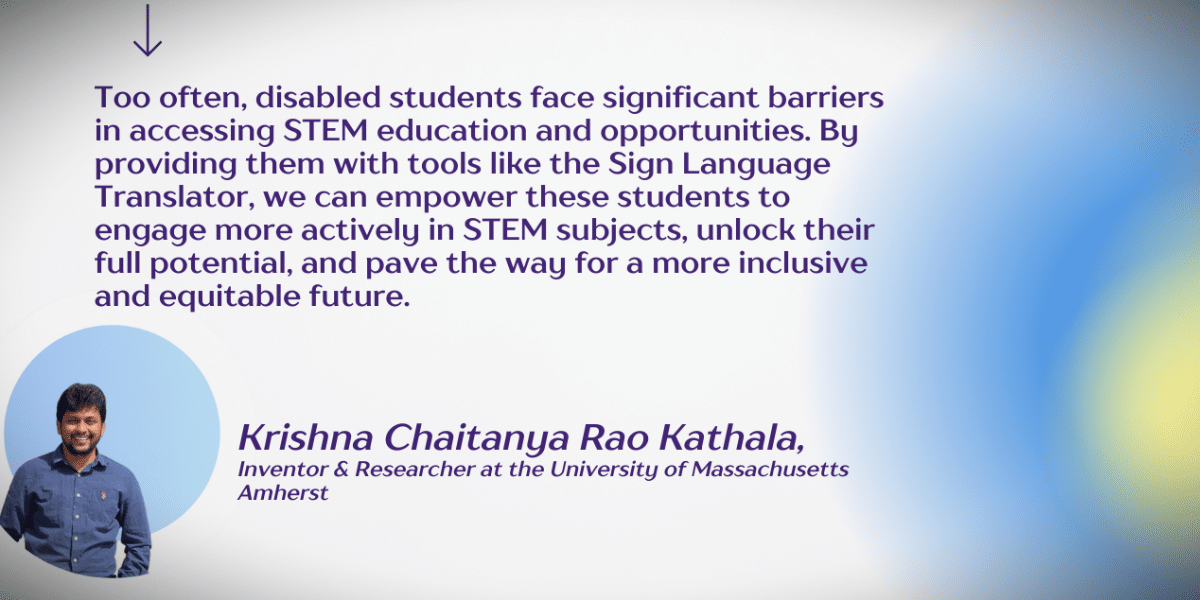
“Too often, disabled students face significant barriers in accessing STEM education and opportunities,” Kathala lamented. “By providing them with tools like the Sign Language Translator, we can empower these students to engage more actively in STEM subjects, unlock their full potential, and pave the way for a more inclusive and equitable future.”

According to the National Center for Health Statistics. The percentage of adults 18 and older who report having difficulty hearing, United States, 2019–2022. According to data from the National Health Interview Survey, 60.7 million Americans aged 12 and older suffer from hearing loss. Of American adults 20 years of age and older, about 15.5% (44.1 million) have some degree of hearing loss. Thirty-one percent of adults 65 and older report having hearing loss, compared to forty-three percent of adults 75 and older. Approximately 70 million people worldwide are deaf (have total loss of hearing). According to studies, 28.8 million adult Americans might profit greatly from using hearing aids. Merely 16% of individuals aged 20-69 and 30% of those aged 70 and beyond have ever worn a hearing aid. In the United States, hearing loss is becoming more common and is predicted to nearly double by 2060. There is a fantastic opportunity to meet the communication needs of this sizable population in the US with the Sign Language Translator.

“The US can leverage and scale this solution to make a significant impact on the lives of the deaf and speech-impaired community,” Kathala emphasized. “By partnering with governments, educational institutions, and healthcare providers, we can ensure widespread adoption and accessibility, ultimately breaking down the barriers that have long hindered the full participation and integration of this community.”

The researchers emphasize the importance of governments and educational institutions adopting and supporting the development of such technological solutions. Kathala stressed, “It is our collective responsibility to ensure that no one is left behind. By leveraging the power of AI and technology, we can create a more inclusive and accessible world, where the deaf and speech-impaired community can thrive and contribute their unique perspectives and talents.”

As the world continues to grapple with the challenges of communication and inclusion, the Sign Language Translator stands as a beacon of hope, representing the transformative potential of STEM-driven innovation. Kathala and his team are committed to continuing their research and development efforts, with the ultimate goal of empowering the deaf and speech-impaired community and fostering a more equitable and just society for all.


Published By: Aize Perez

Embracing Data-Driven Decision-Making: Insights from Krishna Chaitanya Rao Kathala at Princeton University

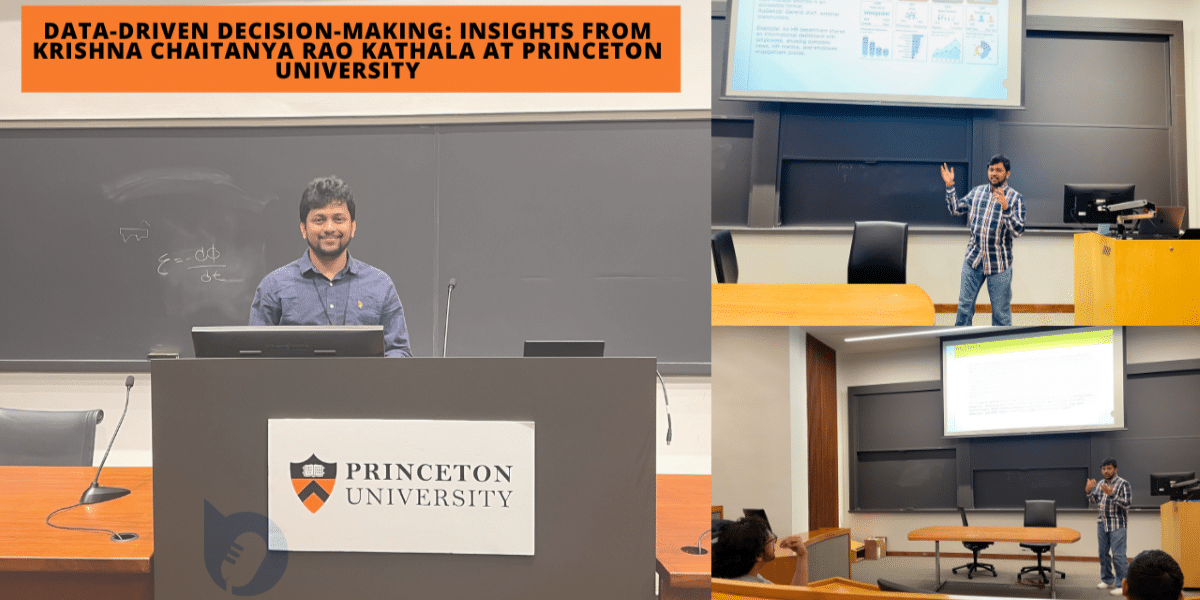
On March 30, 2024, Princeton University hosted a compelling lecture at Robertson Hall, led by Krishna Chaitanya Rao Kathala, a distinguished AI and Data Science & Analytics leader and researcher from the University of Massachusetts Amherst. A diverse mix of researchers, executives, and students attended the HackPrinceton event, which was a part of the series, all keen to learn more about the nuances of data-driven strategic decision-making.

Kathala’s presentation emphasized how crucial it is for today’s leaders to use data-driven strategies. His message was crystal clear: in order to maintain competitive advantage and spur organizational growth, leaders must switch from intuition-based to evidence-based strategies. This can be achieved by having a strong foundation in data analytics and navigating the complexities of today’s industries.

Understanding Your Audience:

One of Kathala’s key themes was the significance of understanding one’s audience. He emphasized that in light of a complete understanding of the goals, challenges, and expectations of their stakeholders, leaders should adapt their tactics and communication. This methodology ensures that the target audience can understand the data presented in a relevant manner.

Simplifying the Complex

Kathala also emphasized the difficulties faced by executives trying to explain intricate data insights to stakeholders who might not be familiar with data science. He proposed that the solution is to simplify the data and concentrate on the important insights that guide strategic choices. He suggested using visual tools, such as dashboards, which provide complex insights in an easy-to-understand manner by efficiently summarizing data through intuitive displays.

The Importance of Data-Driven Leadership

The lecture made the point that in a data-rich era, successful leaders are those who can evaluate and make sense of this data. Leaders can more accurately forecast market trends, comprehend consumer behavior, and allocate resources when they use data-driven decision-making. According to Kathala, making this change is necessary to achieve long-term success and expansion.

Data-Driven Government Decision-Making

Kathala expanded his support for data-driven strategies to the public sector, stressing the significant advantages that government organizations can derive from utilizing data analytics. He listed a number of important justifications for governments to give data-driven decision-making top priority:

  • Improved Service Delivery: Governments can increase citizen satisfaction by enhancing their effectiveness and responsiveness through the analysis of data on public services.
  • Data facilitates the understanding of complex issues and the creation of evidence-based, as opposed to speculative, policies.
  • Resource Optimization: By streamlining government processes and cutting waste, effective data use can result in significant cost savings.
  • Accountability and Transparency: Open data programs can help improve the accountability of the government to the people.

Presenting to External Leaders

Kathala suggested emphasizing relevance, clarity, and credibility when delivering data-driven insights to external leaders. Effective communication requires presenting information in a way that is specific to the strategic interests of the audience, avoiding technical jargon, and providing solid data to back up conclusions.

Krishna Chaitanya Rao Kathala served as an Expert Judge at Princeton University

Krishna Chaitanya Rao Kathala Data-Driven Decision-Making

Photo Courtesy: Krishna Chaitanya Rao Kathala

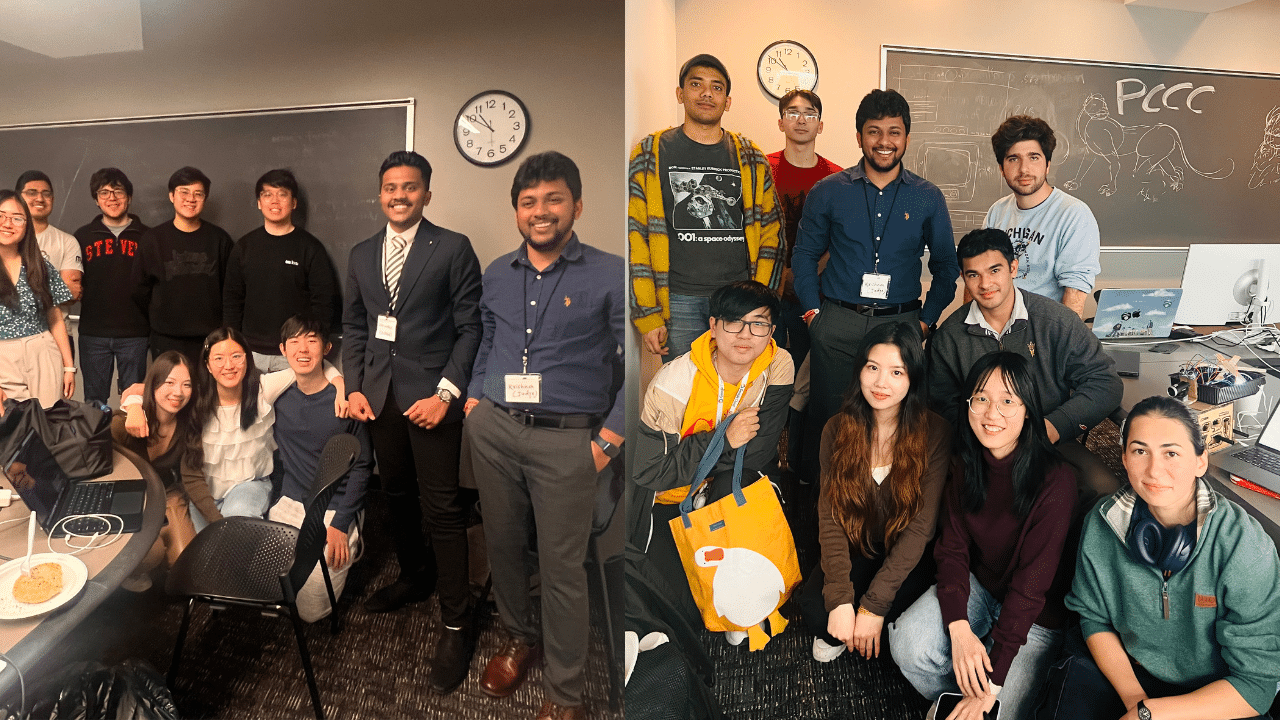
Additionally, Krishna Chaitanya Rao Kathala served as a judge for the Hackathon at HackPrinceton, themed “Collaborate and build out brilliant, innovative, and impactful ideas.” This event, supported by Princeton Electrical and Computer Engineering and industry partners like CapitalOne and Google Cloud, brought together over 200 participants from around the world including students, researchers and industry members. Kathala’s expertise was crucial in identifying and nurturing the most innovative projects. The winning entries—Edzy, Learning’ Wave, Enlighten AI, Interview Wizard, and Find My Smile—illustrate the hackathon’s commitment to fostering solutions that address real-world challenges. Kathala’s critical assessments and constructive feedback were instrumental in guiding participants towards excellence.

The Princeton session demonstrated the continued significance of data-driven leadership strategies, enhanced by the enthusiastic involvement of HackPrinceton attendees. Thanking the participating researchers and students, Kathala said that their participation is essential to promoting an innovative and ongoing learning culture in the data science field.

The insights offered by Krishna Chaitanya Rao Kathala at HackPrinceton are a great resource for any leader looking to leverage data to make strategic decisions as industries continue to change in this data-rich era. Those attempting to negotiate the intricacies of contemporary business environments continue to find his contribution to the conversation on data-driven leadership to be insightful.

Published by: Martin De Juan

Creating Voicebots using Twilio and OpenAI: A Technical Guide for Independent Software Vendors (ISVs)

The combination of Twilio’s robust communication APIs with OpenAI’s sophisticated language models presents a novel opportunity for Independent Software Vendors (ISVs) seeking to create Voicebots. These Voicebots possess the ability to engage in conversations that closely resemble those of humans, and they also provide adaptable and scalable solutions that are customized to meet a wide range of corporate requirements. This technical guide utilizes Twilio’s extensive industry expertise to provide ISV product managers, architects, and developers with the necessary design concepts, product knowledge, and best practices to effectively launch Voicebot solutions that achieve success.

Utilizing Twilio and OpenAI to Enhance Voicebot Capabilities

Twilio, a prominent player in cloud communications, offers a range of APIs that streamline the development of intricate communication systems. The Programmable Voice API, Elastic SIP Trunking, and SIP Interface technologies are specifically applicable for developing Voicebots capable of engaging in meaningful conversations across several channels. When integrated with OpenAI’s language models, these technologies facilitate the creation of Voicebots that possess the ability to comprehend subtleties, context, and even emotions, resulting in an exceptionally realistic interaction experience.

Architectural Analysis for Developing Independent Software Vendor Voicebot Solutions

A sophisticated Voicebot’s design comprises three essential components: the User Interface (UI), Application Backend, and AI Processing Layer. The user interface (UI) functions as the primary means of interaction between users and a system, including many platforms such as SMS, web chat, and voice interfaces. The Application Backend serves as the core control center of the bot, overseeing the movement of data and handling API interactions, session continuity, and business logic. Finally, the AI Processing Layer is the stage where OpenAI’s models are utilized to process inputs, comprehend intention, generate replies, and enhance their performance by learning from interactions.

Tackling the Difficulties of Voice Connectivity and Call Management

To develop a Voicebot that provides dependable, seamlessly integrated, and adaptable voice solutions, one must navigate the intricacies of voice connectivity and call orchestration. Twilio supports ISVs by offering solutions for phone number management, assuring adherence to regulations, and analyzing call statistics. These characteristics enable the creation of Voicebots that can adjust to many scenarios, such as contact centers, lead generation systems, and outbound dialers, providing all-encompassing solutions to users.

Optimal Strategies for Voicebot Development

In order for Independent Software Vendors (ISVs) to fully maximize the capabilities of their Voicebot solutions, it is crucial for them to strictly follow a set of established best practices. The following items are included:

  • Operational Excellence: Enforcing an effective account organization by utilizing Twilio’s subaccounts to allocate resources, separate billing, and gather analytical data.
  • Phone Number and Device Management: Effectively overseeing the allocation and administration of phone numbers in various nations, taking into account legal obligations and carefully choosing suitable caller IDs for voice operations. Furthermore, it is essential to ascertain the gadgets (clients) that end-users will utilize to connect with the Voicebot.
  • Security and Reliability: Guaranteeing the safety of API interactions by managing keys and validating Twilio’s signatures, as well as setting Voicebot solutions to be highly reliable and resilient to failures.
  • Performance Optimization: Utilizing Twilio’s Global Low Latency (GLL) capabilities and Edge Locations to reduce API latency and enhance call quality and performance.

Technical Implementation: A Sequential Approach

  • Incorporate Twilio’s Programmable Voice API: Begin by integrating this API into your application to provide different calling functionalities without the need for complex telephony infrastructure.
  • Utilize OpenAI’s Language Models: Employ OpenAI’s API to analyze user inputs, allowing your Voicebot to provide responses that resemble human speech, taking into account the conversation’s context.
  • Deploy Elastic SIP Trunking (if necessary): Twilio’s Elastic SIP Trunking can be implemented to connect ISVs with pre-existing telephony infrastructure, enabling smooth integration.
  • User Engagement Design: Prioritize the development of a user interface that promotes effortless and instinctive interactions, guaranteeing that users can effortlessly communicate with the Voicebot.
  • Monitor and Optimize: Utilize Twilio and OpenAI’s analytics tools to consistently observe Voicebot interactions, detect places that need enhancement, and enhance your solution for superior performance and user contentment.

In conclusion

The combination of Twilio’s communication APIs with OpenAI’s language models presents ISVs with a distinctive chance to create Voicebots that revolutionize consumer interactions. By implementing the architectural insights, tackling difficulties directly, and adhering to the best practices suggested in this guide, independent software vendors (ISVs) can develop Voicebots that are not only technologically sophisticated but also closely connected with the needs and expectations of their clients. Amid the ever-changing digital communication landscape, Voicebots take a leading position, providing a preview of the future of human-computer interaction.

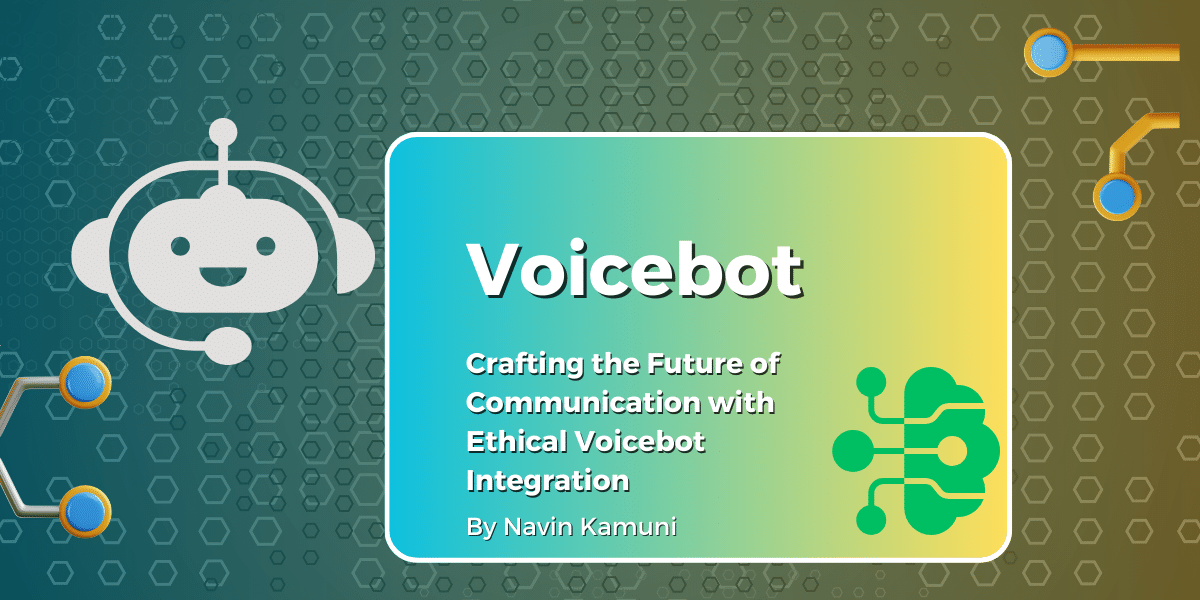
Creating Voicebots using Twilio and OpenAI A Technical Guide for Independent Software Vendors (ISVs)

Photo Courtesy: Navin Kamuni

Author Information

Navin Kamuni, an AI-ML IT Consultant, specializes in the integration of artificial intelligence (AI) and machine learning (ML) technologies across many industries. His expertise lies in improving operational efficiencies and customer service through the implementation of these advanced technologies. Kamuni is a member of both the Association for the Advancement of Artificial Intelligence (AAAI) and the Association for Computing Machinery (ACM).

 The work demonstrates the utmost adherence to ethical principles in the development of AI. His exceptional knowledge and skills are crucial in developing Voicebot solutions that utilize Twilio and OpenAI technologies, emphasizing his dedication to utilizing innovation to advance society.


Published by: Khy Talara


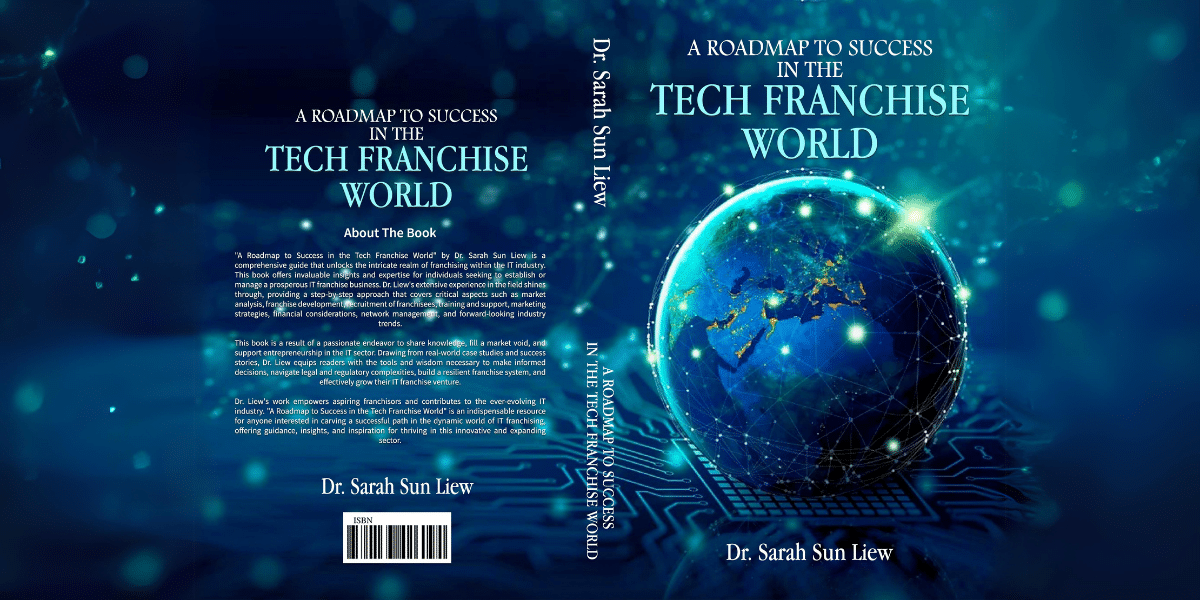
Charting Success in the Digital Age: Dr. Sarah Sun Liew’s Guide to Mastering Tech Franchises

In an era punctuated by digital innovation and transformative business models, the fusion of technology and entrepreneurial spirit heralds a new dawn for industries worldwide. This evolving landscape has introduced tech franchising as a compelling strategy poised to revolutionize entrepreneurial journeys and set unparalleled standards of excellence globally. Leading this charge is Dr. Sarah Sun Liew, whose pivotal work, “A Roadmap to Success in the Tech Franchise World,” offers a comprehensive guide for technopreneurs embarking on the multifaceted journey of tech franchising.

Dr. Liew’s extensive background, which spans technology, education, real estate, and legal sectors, establishes her as a vanguard in the discourse on tech franchising. Her tenure at MPS Merchant Services Group, combined with her educational influence at MIT University (Meridian Institute of Technology), underscores her identity as a beacon of innovation and strategic prowess. These roles have uniquely positioned Dr. Liew to recalibrate the concept of tech franchising for contemporary markets.

“A Roadmap to Success in the Tech Franchise World” transcends conventional guidebooks by delving deep into the essence of tech franchising. With Dr. Liew’s insightful analysis, readers are introduced to how traditional business frameworks can synergize with swift technological advancements to foster dynamic franchise models. Her discussions on capitalizing brand power while embracing innovation present a compelling argument for strategically venturing into tech franchising.

Addressing both hurdles and prospects within this domain, Dr. Liew meticulously evaluates crucial aspects such as the financial investments required, compliance with franchising norms, and sustaining technological agility. She delineates an elaborate plan for prospective franchisees on envisioning, orchestrating, and expanding successful tech franchises—a testament to her dedication to cultivating a breed of influential innovators.

Dr. Liew’s narrative also ventures into analyzing the societal and economic impacts of tech franchising. She perceives this model not just as a conduit for commercial success but also as an avenue for significant societal contributions through digital transformation endeavors, ethical practice implementations, and fostering sustainable growth within franchises.

Dr. Liew’s illustrious academic journey encompassing Harvard Business School and Wharton Business School, among others, enriches her perspectives on navigating challenges while capitalizing on opportunities in tech franchising.

The publication titled “Unlocking the Potential of Tech Franchises” serves not merely as guidance but as an inspirational call urging visionaries to explore untapped potentials within technology entrepreneurship under Dr. Liew’s seasoned mentorship along with ethical considerations ensuring enduring success amidst fluctuating industry terrains.

As we navigate through groundbreaking technological progressions—Dr. Liew’s wisdom, integrated with her commitment towards innovation and principled leadership emerges as invaluable assets for entrepreneurs aspiring to carve their niches within the tech-franchise arena.

Set for its debut on Amazon—this guide aims at broadening its reach ensuring entrepreneurs worldwide leverage its insights paving routes towards extraordinary feats.

Charting Success in the Digital Age: Dr. Sarah Sun Liew's Guide to Mastering Tech Franchises

Photo Courtesy: Dr. Sarah Sun Liew

Individuals fascinated by the transformative potential of tech-franchising or desiring a deeper understanding of Dr. Liew’s influential stature are encouraged to delve further online at www.meridianwish.com or connect directly via email at mgroupbh7@gmail.com or info@meridianwish.com. Moreover, engage with initiatives driving American justice economic growth at www.sarahsenator.org, experiencing firsthand Dr. Liew’s unwavering dedication to molding future leaders in technology, reflecting her profound commitment towards leveraging entrepreneurship for beneficial societal outcomes, thereby marking her indelible impact on the evolving canvas of technology entrepreneurship.


Published By: Aize Perez

Baljit Saini: Pioneering a Safer Digital Future with CyberSecurity.art

In an age where digital threats loom larger with each passing day, CyberSecurity.art emerges as a beacon of hope and resilience, led by the visionary Baljit Saini. With an illustrious career spanning over two decades in the cyber security realm, Baljit Saini has cemented his reputation as an expert and a steadfast protector in the digital world. His journey, marked by a Master’s in Information Security and experiences from being pursued by the CIA and FBI to a continuous presence at global cyber security conferences for 15 years, showcases a commitment to excellence and a deep understanding of the cyber landscape.

A Commitment to Digital Safety

CyberSecurity.art is not just another cyber security company; it promises peace of mind in a world riddled with digital vulnerabilities. Under Baljit Saini’s leadership, the company is a proactive guardian, ever-evolving to counteract the next wave of cyber threats. This forward-thinking approach sets CyberSecurity.art apart, ensuring clients are not just reacting to threats but are steps ahead in their digital security posture.

Comprehensive Cyber Security Solutions

The suite of services offered by CyberSecurity.art is a testament to the company’s holistic approach to digital security. Each service is designed to fortify digital infrastructures against the most sophisticated threats, from Vulnerability Assessments and Management to Penetration Testing and Cyber Forensics. Integrating AI Cyber Security further underscores the company’s commitment to cutting-edge solutions, offering predictive measures against potential cyber-attacks.

Moreover, CyberSecurity. art’s emphasis on compliance, through Cyber Compliance Consulting, ensures businesses are secure and in line with critical standards such as SOC 2, ISO 27001, HIPAA, GDPR, and PCI. This comprehensive approach indicates Baljit Saini’s vision to provide a full spectrum of cyber security measures that cater to every possible digital threat landscape.

Leadership in CyberSecurity

Baljit Saini’s role as the CEO and founder of CyberSecurity.art is a culmination of years of dedication and expertise in cybersecurity. An unwavering commitment to innovation and excellence characterizes his leadership. CyberSecurity.art underlines the importance of strategic and tactical defense mechanisms in today’s digital age by offering services like Virtual Chief Information Security Officers and Red and Blue Team Assessments.

The company’s offering of Virtual Data Recovery Assistance further showcases its understanding of the critical nature of data integrity and the need for swift recovery solutions. This service, among others, reflects Baljit Saini’s holistic view of cyber security, where prevention, protection, and recovery are equally prioritized.

Embracing a Secure Digital Future

In conclusion, CyberSecurity.art, under the guidance of Baljit Saini, is setting new standards in the cybersecurity industry. The company’s commitment to providing a fortress of digital safety reflects Baljit’s deep-rooted belief in securing digital assets against ever-evolving cyber threats. As we navigate this technological era, CyberSecurity.art is a guardian of digital peace of mind, continually pushing the boundaries to ensure a safer digital future for all.


Published by: Khy Talara

AI Security: Protecting Users from Impersonation

By: Suresh Dodda

Suresh’s professional stature is further underscored by his membership in prestigious organizations like IEEE and his role as a keynote speaker at esteemed research universities like Eudoxia. His contribution as a journal reviewer for IGI Global highlights his active involvement in advancing technology.

Today, the widespread advancement of technologies such as deep learning has provided ever-growing access to increased computation power and has become one of the most critical situations for user security and privacy. Specifically, “Generative AI,” which is more reliable and accurate, is being developed and implemented as it allows synthesizing and creating a large amount of data from a smaller number of inputs. This is a significant advantage compared to traditional AI. However, the capabilities of generative AI in terms of generating authentic content have also led to enormous risks for sophisticated impersonation attacks. In cybersecurity, more and more attacks and threats use AI methods and are becoming smarter and more powerful. With the rise of generative AI, individuals can likely expect bigger and more AI-oriented severe attacks in the future, and traditional cybersecurity methods and tools may not be effective in confronting those attacks. Therefore, new research areas focusing on improving user security and privacy in the new AI-pervasive age are in demand. Given the risks posed by rogue AI applications, including emerging threats such as those discussed above, it is crucial to understand this activity and consider research that explores safeguarding against such activity in future work. The following sections will explore multidisciplinary research areas in AI security and develop novel solutions for protecting digital content and user privacy. (Ferrara, 2024) (Kaloudi & Li, 2020) (Khoo et al.2022) (Blauth et al., 2022)

Impersonation through Generative AI

AI systems that can generate photorealistic images are now available to the public. Generative algorithms use large data sets and “learn” to create new data with the same statistics as the original set. These have been used to produce realistic images of people, animals, and scenery. Such images are often indistinguishable from real photographs and videos and will become even more realistic over time. Similar technologies, such as natural language processing algorithms, can be used to create text that imitates the writing style of a specific person. Such technology could enable an attacker to generate an image of a particular individual and then develop writing in a text that appears to be that person speaking – effectively, a form of digital impersonation. 

Importance of User Security and Privacy

User security is an essential consideration in developing and deploying generative AI technology, with robust measures necessary to prevent impersonation or misuse of user data. This need is underscored by the increasing volume and variety of personal data being gathered and shared by the users of online services. In recent years, the growth of social media and e-commerce platforms has led to a surge in the availability of user data, providing rich and valuable sources for potential attackers to exploit (Jain & Gupta, 2022). Today, ensuring privacy and secure personal information has been a major focus. However, a notable trade-off exists between the privacy and utility of users’ personal information. As new AI technologies emerge, such as deep learning algorithms and adversarial AI, new categories of security threats begin to show, making the task of protecting user identity and privacy increasingly challenging. Despite these emerging threats, regulatory and legislative progress has been limited. It is essential to consider the legal and ethical issues in the use of technology and the extent to which the state and law can protect against the misuse of personal information. With the explanatory work to be done in the field of AI and the increasing public awareness of privacy and data protection, there should be more movements involving both technical and non-technical measures to secure the safety and privacy of the public. The security and privacy measures employed should be justifiable by the data’s nature and supposed risk level. All possible aspects of private information and potential misuse of technology should be considered during the development of AI projects and the implementation of relevant regulations and legislation.

In particular, it is noted that current machine learning and AI applications have typically been used against traditional signature-based detection systems – that is, systems that search for known string patterns in network traffic and host activities. These detection systems often rely on the presence of an attack discovered and analyzed before a signature is distributed to the wider user community and implemented in security monitoring systems. This means there is a time window in which attacks can be successfully executed without detection until a signature is distributed and the attack is identified.

About the Author 

Suresh Dodda, a seasoned technologist with a strong focus on AI/ML research and 24 years of progressive experience in technology, is adept at leveraging Java, J2EE, AWS, Micro Services, and Angular for innovative design and implementation. With a keen eye for detail, Suresh excels in developing applications from inception to execution, showcasing his deep expertise in Java, as evidenced by his authored book on Microservices and his role as a book reviewer for publications such as Packet and BPB.

Suresh’s technical prowess extends to AI/ML, where he has contributed to research papers. His effective management skills have consistently ensured timely project delivery within allocated budgets. His extensive international experience includes working with esteemed clients such as Dubai Telecom in Abu Dhabi, Nokia in Canada, Epson in Japan, Wipro Technologies in India, Mastercard in the USA, National Grid in the USA, Yash Technologies in the USA, and ADP in the USA.

Within core industries such as banking, telecom, retail, utilities, and payroll, Suresh possesses a deep understanding of domain-specific challenges, bolstered by his track record as a technical lead and manager for globally dispersed teams.

Published by: Holy Minoza

AI Software Engineer Devin: AI/ML researcher

By: Suresh Dodda

I have been doing development for the past 20 + years. As a traditional developer, a lot of repetitive tasks take a long time and do not improve the efficiency of the developer.  AI BOTS are going to play a significant role in reducing developer effort thereby improving the profits for organizations.

Devin can access common developer tools, including its own shell, code editor and browser, within a sandboxed compute environment to plan and execute complex engineering tasks requiring thousands of decisions.  The human user simply types a natural language prompt into Devin’s chatbot style interface, and the AI software engineer takes it from there, developing a detailed, step-by-step plan to tackle the problem. It then begins the project using its developer tools, just like how a human would use them, writing its own code, fixing issues, testing and reporting on its progress in real-time, allowing the user to keep an eye on everything as it works.

If something doesn’t look right to the human observer, the user can also jump into the chat interface and give the AI a command to fix it. This, Cognition says, enables engineering teams to delegate some of their  projects to the AI and focus on more creative tasks that require human intelligence.

In this way, Devin offers a new paradigm that may be a glimpse of the way all software development — and computer work generally — may workers overseen by human supervisors/users. According to demos shared by Wu, Devin is capable of handling a range of tasks in its current form. This includes common engineering projects like deploying and improving apps/websites end-to-end and finding and fixing bugs in codebases to more complex things like setting up fine-tuning for a large language model using the link to a research repository on GitHub or learning how to use unfamiliar technologies.

In the SWE-bench test, which challenges AI assistants with GitHub issues from real-world open-source projects, the AI software engineer was able to correctly resolve 13.86% of the cases end-to-end – without any assistance from humans. In comparison, Claude 2 could resolve just 4.80% while SWE-Llama-13b and GPT-4 could handle 3.97% and 1.74% of the issues, respectively. All these models even required assistance, where they were told which file had to be fixed.

In the SWE-bench test, which challenges AI assistants with GitHub issues from real-world open-source projects, the AI software engineer was able to correctly resolve 13.86% of the cases end-to-end – without any assistance from humans. In comparison, Claude 2 could resolve just 4.80% while SWE-Llama-13b and GPT-4 could handle 3.97% and 1.74% of the issues, respectively. All these models even required assistance, where they were told which file had to be fixed.

While the tool remains to be tested, its ability to handle multiple steps – while staying on track – to complete a software engineering project is the biggest unique selling point.

About the Author

Suresh Dodda, a seasoned technologist with strong focus on AI/ML research and with 24 years of progressive experience in the field of technology, is adept at leveraging Java, J2EE, AWS, Micro Services, and Angular for innovative design and implementation. With a keen eye for detail, Suresh excels in developing applications from inception to execution, showcasing his deep expertise in Java as evidenced by his authored book on Microservices and his role as a book reviewer for publications such as Packet and BPB.

Suresh’s technical prowess extends to the realm of AI/ML, where he has contributed to research papers, while his effective management skills have consistently ensured timely project delivery within allocated budgets. His extensive international experience includes working with esteemed clients such as Dubai Telecom in Abu Dhabi, Nokia in Canada, Epson in Japan, Wipro Technologies in India, Mastercard in the USA, National Grid in the USA, Yash Technologies in the USA, and ADP in the USA.

Within core industries such as banking, telecom, retail, utilities, and payroll, Suresh possesses a deep understanding of domain-specific challenges, bolstered by his track record as a technical lead and manager for globally dispersed teams.

Suresh’s professional stature is further underscored by his membership in prestigious organizations like IEEE, his role as a keynote speaker at esteemed research universities like Eudoxia, and his contribution as a journal reviewer for IGI Global, highlighting his active involvement in advancing technology.


Published By: Aize Perez

AI-Driven Data Analysis For Smart Business: The Future Of AIOps

Navigating the Data-Driven Business World with AIOps

In today’s digital age, where data is king, businesses are increasingly turning to data-driven decision-making to steer their strategic directions. The sheer volume and complexity of data can be overwhelming, making it challenging to extract meaningful insights. This is where Artificial Intelligence for IT Operations (AIOps) comes into play, acting as the linchpin in transforming vast data lakes into clear, actionable insights. AIOps uses advanced algorithms and machine learning to automate and enhance IT operations, making it a critical asset in today’s fast-paced business environment.

AIOps: Redefining Business Intelligence

Business Intelligence (BI) serves as the cerebral cortex of an organization, synthesizing data to inform decisions. However, traditional BI systems often buckle under the weight of today’s data deluge. AIOps impacts BI by supercharging its capabilities. It processes vast arrays of real-time and historical data at unprecedented speeds, uncovering hidden insights that traditional methods might overlook. This not only enriches the decision-making process but also democratizes data analysis, making it accessible to a broader range of stakeholders within an organization.

AI-Driven Data Analysis For Smart Business: The Future Of AIOps

Photo: Unsplash.com

The Synergy of AIOps and Advanced Analytics

Integrating AIOps with advanced analytics is akin to forming a dream team where each member’s unique strengths are amplified. AIOps acts as the rapid data processor while advanced analytics plays the role of pattern recognizer. This combination accelerates the insight generation process, enabling businesses to respond to changes with agility and precision. Real-world applications, such as enhancing customer experiences in e-commerce or improving risk management in finance, underscore the transformative potential of this integration.

Enhancing Predictive Analysis with AIOps

Predictive analysis is crucial for businesses looking to forecast trends and prepare for future challenges. AIOps elevates this capability by sifting through complex datasets to identify patterns that might elude human analysts. This not only bolsters the accuracy of predictions but also speeds up the process, allowing businesses to anticipate market shifts and customer needs with greater confidence.

AIOps in Risk Management and Strategic Planning

In the realms of risk management and strategic planning, AIOps serves as an early detection system, identifying potential threats and opportunities. By providing a data-driven foundation for decision-making, AIOps enables organizations to navigate uncertainties with greater assurance. Its ability to forecast and adapt to changes is particularly valuable in dynamic sectors like finance and retail, where it can significantly mitigate risks and optimize operations.

Challenges and Future of AIOps

Adopting AIOps is not without its challenges. Integration with existing systems, data quality, and the need for specialized skills are significant hurdles. However, these can be addressed through phased integration, enhancing data management practices, and investing in training and development. Looking ahead, the future of AIOps in business intelligence is bright, with advancements likely to further enhance predictive analytics, automate decision-making, and integrate seamlessly with emerging technologies.

AI-Driven Data Analysis For Smart Business: The Future Of AIOps

Photo: Unsplash.com

Embracing the AIOps Revolution

The journey into AIOps marks a pivotal shift in how businesses leverage data for decision-making. Its impact on accelerating and refining the decision-making process is undeniable, offering a competitive edge in the digital era. As the landscape of business intelligence evolves, AIOps stands out as a transformative force, heralding a new era of data-driven strategy and innovation. For organizations willing to embrace this revolution, the potential to harness data for strategic advantage has never been greater.

For a deeper dive into how AIOps is transforming the landscape of business intelligence and data-driven decision-making, be sure to read the comprehensive article on AI-Driven Data Analysis For Smart Business: The Future Of AIOps. This piece explores the intricate ways in which AIOps is not just shaping the present but also paving the way for a more intelligent, efficient, and predictive future in business strategies.Unravel the complex world of AIOps and its pivotal role in the data-driven business arena, offering insights into its integration with advanced analytics, its impact on risk management, strategic planning, and much more.


Published By: Aize Perez

Shaping the Boardrooms of Tomorrow: Boardsi’s Insights into the Role of AI and Big Data in Executive Decision-Making

Executive decision-making in today’s business landscape is vital in guiding organizations through turbulent seas. As markets evolve at breakneck speeds and complexities deepen, the role of artificial intelligence (AI) and big data in this realm has become pivotal. Gone are the days when boardroom discussions relied solely on gut instincts and experience. Now, algorithms crunch through mountains of data, unveiling patterns and insights previously hidden from human eyes. 

Revolutionary board recruitment platform, Boardsi, reviews the transformative influence of AI and big data on executive decision-making. From enhancing strategic foresight to optimizing resource allocation, Boardsi CEO and co-founder, Martin Rowinski, explores how these technologies are reshaping the very fabric of corporate governance. 

Understanding the Impact of AI on Executive Decision-Making

Artificial intelligence (AI) is a formidable force in modernizing executive decision-making processes. 

“By leveraging sophisticated algorithms, AI has revolutionized the analysis of extensive datasets, offering executives actionable insights previously inaccessible,” says Martin Rowinski. “These algorithms excel at discerning intricate patterns, detecting emerging trends, and flagging potential risks, empowering decision-makers with comprehensive and timely information.”

The integration of AI into decision-making workflows has led to notable efficiency gains and competitive advantages for organizations. Executives can now make informed choices swiftly, drawing upon AI-generated insights to navigate complex business landscapes with confidence and precision. In essence, AI serves as a catalyst for agility and strategic foresight within boardrooms, enabling proactive responses to market shifts and emerging opportunities. As organizations continue to harness the power of AI, the synergy between technology and executive decision-making promises to redefine the boundaries of corporate governance in the digital age.

Shaping the Boardrooms of Tomorrow: Boardsi’s Insights into the Role of AI and Big Data in Executive Decision-Making

Photo: Unsplash.com

Leveraging Big Data for Strategic Insights

Big data, characterized by its volume, velocity, and variety, holds profound significance in contemporary decision-making processes. It encompasses vast and diverse datasets that traditional analytics tools struggle to process efficiently. However, with the advent of advanced big data analytics tools, executives gain the ability to swiftly access, interpret, and derive actionable insights from these immense pools of information.

Notes Rowinski, “Big data tools enable executives to discern patterns, correlations, and anomalies within datasets that would otherwise remain obscured.” 

By leveraging big data analytics, organizations can anticipate market trends, understand customer behavior at granular levels, and adapt strategies to capitalize on emerging opportunities. From predictive analytics forecasting future demand to sentiment analysis gauging consumer preferences, the applications of big data in strategic decision-making are diverse and impactful.

As organizations increasingly recognize the value of big data, its integration into decision-making processes becomes imperative for maintaining competitiveness in dynamic markets. By harnessing the power of big data, executives can navigate uncertainties with clarity, proactively shaping strategies that align with evolving market dynamics and customer needs.

Enhancing Decision-Making Accuracy and Speed

The marriage of AI and big data technologies significantly elevates the quality and pace of decision-making processes within organizations. 

“Predictive analytics, a cornerstone of this synergy, empowers executives with the ability to forecast outcomes and anticipate potential risks with unprecedented accuracy. By analyzing historical data patterns and extrapolating future trends, predictive analytics enables proactive decision-making, minimizing uncertainties and maximizing opportunities,” says Rowinski.

The importance of real-time data analysis is vital to today’s fast-paced business landscape. AI-driven algorithms, fueled by big data, facilitate the continuous monitoring and interpretation of data streams, enabling executives to swiftly respond to evolving market dynamics and emerging challenges. In such dynamic environments, the ability to adapt strategies in real-time based on up-to-the-minute insights is a critical determinant of success.

The integration of AI and big data technologies not only enhances the accuracy of decision-making but also accelerates its pace, enabling organizations to stay ahead of the curve in an increasingly competitive marketplace. As the volume and complexity of data continue to grow, the role of these technologies in driving informed and agile decision-making will only become more pronounced, cementing their status as indispensable assets in the executive toolkit.

Overcoming Challenges and Ethical Considerations

The integration of AI and big data into executive decision-making processes offers substantial benefits, but it is not without its challenges. One common obstacle is the complexity of implementing these technologies within existing organizational frameworks, including technical integration and skill gaps among decision-makers. Additionally, concerns regarding data privacy, bias, and transparency loom large in the ethical landscape of AI and big data utilization.

Ensuring the responsible and ethical use of these technologies requires proactive measures. Organizations must prioritize data privacy and security, implementing robust measures to safeguard sensitive information. Addressing biases inherent in data and algorithms is paramount to maintaining fairness and integrity in decision-making processes. Transparency also plays a crucial role, as stakeholders need visibility into how AI and big data are utilized to inform decisions.

Strategies for navigating these challenges include investing in employee training to enhance data literacy and ethical awareness, establishing clear governance frameworks for data usage, and fostering a culture of accountability and transparency within the organization. Addressing these challenges and ethical considerations head-on allows organizations to harness the transformative power of AI and big data while upholding ethical standards and societal trust.

Looking to the future of corporate governance, the symbiotic relationship between AI, big data, and executive decision-making promises continued transformation. Embracing innovation and staying abreast of technological advancements is pivotal for organizations seeking to thrive in an increasingly dynamic business landscape. 

Published by: Martin De Juan

Pioneering a Bright Future: The Meridian Initiative’s Role in Shaping Christian Youth Careers in FinTech

In an era dominated by the relentless pace of digital innovation, the financial technology (FinTech) sector stands as a beacon of transformative potential and growth. This dynamic landscape, characterized by its rapid evolution, has significantly increased the demand for adept professionals capable of navigating its complexities, especially in critical areas such as credit card processing and electronic payments. Amidst this burgeoning need, a groundbreaking job training initiative is making waves by empowering Christian youth with the requisite skills and knowledge to excel in the FinTech realm.

Spearheaded by the Meridian Business Legal Investment Wish Foundation (MBLIWF), this innovative program transcends conventional educational paradigms to offer more than just vocational training. It embarks young Christians, particularly those between 16-26 years old who encounter obstacles in securing employment due to insufficient training or opportunities, on a transformative journey poised at redefining their career trajectories.

Empowering the Next Generation

At its core, the Meridian Initiative is committed to nurturing holistic development among its participants. By integrating mentorship, community engagement, and leadership cultivation into its curriculum, it ensures that learners are not merely trained for participation in the FinTech revolution but are prepared to spearhead it. This comprehensive approach addresses the unique challenges faced by Christian youth today – from reconciling faith with professional ambitions to overcoming barriers to employment – thereby paving pathways toward prosperous futures.

Catalyzing Professional Development

The curriculum designed by this visionary program covers an extensive range of subjects vital for success within the FinTech industry. From understanding credit card processing mechanisms to grasping cutting-edge IT support and marketing strategies, participants receive an all-encompassing education tailored for today’s digital economy. Special attention is given to e-commerce trends, mobile processing technologies, and essential business competencies such as computer literacy and business English—equipping students with a competitive edge in a fast-paced world.

Graduates emerge from this program ready to explore various career avenues within FinTech; whether aspiring for independence as sub-agents or venturing into entrepreneurship. Strategic alliances with premier entities in the credit card processing sphere further assure that promising career prospects await these budding professionals upon completion of their studies.

Fostering Community and Leadership

One of the distinguishing features of this initiative is its dual emphasis on professional excellence and spiritual/community service. This holistic approach guarantees that graduates are not only job-market ready but are also equipped to make substantial contributions within their communities. The program encourages proactive networking and offers specialized classes targeting high school students, thereby addressing broader societal issues through empowerment.

Shaping the Future of FinTech Education

As it continues to grow and evolve, The Meridian Initiative sets new standards for workforce preparation in our modern age. It underscores the significance of merging vocational training with personal development commitments—championing a model where career progress aligns seamlessly with spiritual growth.

This program beckons young Christians intrigued by the allure of flourishing within the FinTech sector while contributing positively towards community upliftment. It represents an unparalleled opportunity to lead at the frontier of financial technology innovation—equipped with not just superior technical know-how but grounded in ethical principles capable of steering through our rapidly changing society.

The aspiration driving The Meridian Initiative reflects a profound belief in fostering environments where Christian youth can prosper professionally without compromising their values—a vision encapsulated eloquently by its commitment: “Revolutionizing Career Paths: The Meridian Initiative Ushers in a New Era for Christian Youth in FinTech.”

This isn’t merely about shaping careers; it’s about crafting leaders poised to leave indelible marks on both the FinTech industry and society at large—molding a future where integrity intersects innovation.

To engage further with these pioneering programs or explore how you might contribute towards nurturing leadership rooted firmly in faith:

– Visit Global Jesus Mission Church’s initiatives at www.gjesusmc.org or contact them via email at gjmch20@gmail.com.

– For insights into Meridian’s comprehensive curriculum designed to empower through state-of-the-art financial technology training while championing inclusivity, head over to www.meridianwish.com or reach out via info@meridianwish.com.

In essence, The Meridian Initiative does more than prepare individuals for jobs; it readies them for life—instilling hope, fostering growth, and igniting change across communities one skilled professional at a time.


Published by: Khy Talara