US Business News

The Transformative Impact of Domain-Agnostic AIOps on Business and IT

In the swiftly changing digital environment, Domain-Agnostic AIOps stands out as a revolutionary technology, dismantling conventional IT management limitations. This sophisticated, AI-driven method is crucial for businesses striving to manage the intricate landscape of modern data and IT operations. Domain-agnostic AIOps excel in analyzing extensive datasets, forecasting future scenarios, and orchestrating automated solutions. Its capacity to adapt across various IT domains without being confined to specific areas makes it incredibly versatile and valuable.

This capability ensures that businesses can apply AIOps solutions across a broad spectrum of challenges, enhancing operational efficiency and securing a strategic edge in an increasingly competitive and technology-driven marketplace. The technology’s domain-agnostic nature not only broadens its applicability but also amplifies its potential to innovate and transform business operations, making it an essential asset for any forward-thinking organization.

Transforming Industries with AIOps

AIOps is revolutionizing business processes across various sectors, demonstrating its ability to streamline complex operations and boost efficiency:

  •       In Finance: It improves risk assessments and fraud detection by quickly analyzing transaction data, bringing unprecedented accuracy and speed to financial operations.
  •   In Manufacturing: AIOps optimizes supply chain management, enabling predictive adjustments that enhance production efficiency and resilience.
  •   In Healthcare: The technology supports diagnostic processes and patient data management, making healthcare delivery faster and more reliable.

These examples highlight AIOps’s role in automating and optimizing business processes, leading to significant operational improvements.

Elevating Customer Experiences through AIOps

AIOps is redefining customer service and engagement by enabling proactive customer support and personalized experiences:

  •       In Telecommunications: Companies are using AIOps to analyze customer call patterns, leading to reduced call volumes and faster response times.
  •   In Retail: AIOps powers personalized shopping experiences, analyzing customer behavior to offer tailored recommendations, thereby enhancing satisfaction and boosting sales.
  •   In Hospitality: Hotels are utilizing AIOps to personalize guest services based on feedback analysis, improving satisfaction and loyalty.

These initiatives show how AIOps goes beyond technology, creating meaningful connections with customers and transforming the service landscape.

AIOps: A Catalyst for IT Innovation

The integration of AIOps with emerging technologies like cloud computing and IoT is driving IT innovation, making operations smarter and more efficient. This synergy is not just enhancing IT functions but is redefining the future of technology management, making AIOps a central element in the next wave of IT advancements.

Driving Business Growth with AIOps

AIOps is reshaping the way organizations innovate and compete, offering:

  •       Agility: Enabling businesses to rapidly adapt to market changes.
  •   Customer Centricity: Fostering a deeper understanding of customer needs and behaviors.
  •   Innovation: Providing insights that fuel product development and service improvements.

This strategic advantage is crucial for companies looking to maintain a competitive edge in the dynamic digital marketplace.

Navigating Challenges and Embracing AIOps

Adopting AIOps presents challenges such as integrating it within existing IT systems, ensuring data quality, and overcoming the skills gap in AI and analytics. Despite these hurdles, the future of AIOps is promising, with advancements leading towards more autonomous decision-making capabilities. This shift has the potential to transform IT roles from focusing on routine tasks to engaging in strategic innovation. As organizations navigate these challenges and fully embrace AIOps, they stand to benefit from enhanced efficiency to improved decision-making, and a competitive edge in the digital landscape.

The Future Powered by AIOps

Domain-agnostic AIOps is becoming an integral part of the digital transformation narrative, offering a pathway to operational excellence and strategic advantage. As AIOps continues to evolve, it will play an increasingly vital role in shaping business strategies and IT operations. Embracing this technology is essential for companies aiming to lead in the competitive and ever-changing digital environment.

To delve deeper into the transformative effects of Domain-Agnostic AIOps, read our full article “The Impact of Domain-Agnostic AIOps: Transforming Business & IT” and discover the extensive AIOps Impact on business and IT.

Published by: Martin De Juan

Unleashing AI to The World: How Global Tech Startups are Redefining Business Dynamics

In the dynamic realm of technology, a wave of innovation is sweeping across global startup ecosystems, with AI at the forefront. From iconic tech hubs to vibrant, up-and-coming startup scenes worldwide, these emerging companies are leveraging the power of Artificial Intelligence (AI) to reshape industries, enhance efficiencies, and bring about transformative change. Explore how tech startups across diverse global locations are building AI products and platforms, offering businesses and enterprises new levels of automation and operational excellence.

Leading the AI Revolution

At the forefront of many tech innovations, certain regions remain hotbeds of AI creativity. Startups in these hubs are pushing the boundaries of what AI can achieve, developing advanced machine learning algorithms and breakthrough natural language processing. Delve into the work of these startups, showcasing their contributions to automation, data analytics, and intelligent decision-making.

Bridging Tradition with Innovation

In various global locations, startup scenes are thriving with a unique blend of tradition and innovation. AI startups are making waves across industries, from finance and healthcare to creative sectors. Explore how companies in these regions are leveraging AI to enhance customer experiences, optimize processes, and drive growth, illustrating the impact of AI on traditional industries.

Cultivating AI Excellence

Venturing into different parts of the world, discover how startups are cultivating AI excellence. In various cities, historic landscapes become incubators for cutting-edge technologies, with startups utilizing AI to preserve cultural heritage, optimize logistics, and impact various sectors. Showcase how these companies navigate challenges unique to their regions while contributing to the global AI landscape.

Global Tech Startups Embrace AI

Certain regions are global leaders in tech innovation. Startups in areas like Silicon Valley, London, and Tel Aviv are at the forefront of producing innovative AI applications, ranging from cybersecurity to agriculture. Explore how vibrant ecosystems foster AI entrepreneurship and collaboration, focusing on companies breaking new ground in AI research, development, and implementation.

A Gateway to Asia’s AI Boom

In bustling metropolises, startups capitalize on strategic locations as gateways to burgeoning AI markets. Delve into how companies in areas like Hong Kong are developing AI solutions tailored to the diverse needs of regional business landscapes. Interviews with founders and industry experts provide insights into the challenges and opportunities of building AI startups in dynamic regions.

The AI revolution is here and it’s moving fast

From cutting-edge advancements to unique flavors of innovation, AI is uniting startups globally in a mission to redefine business landscapes. This feature story showcases the global impact of AI-driven tech startups, highlighting their contributions to increased efficiencies, automation, and transformative change. 

As these tech startups focused on building high value artificial intelligence products around the world continue to push boundaries, the future promises a world where AI becomes an integral part of businesses and enterprises everywhere, unlocking new possibilities and driving unprecedented growth. To keep up with AI news each day, make sure to check out Headliners News, a startup news platform covering the latest headline news stories across AI, technology, startups, business, fashion, health, and so much more.


Published By: Aize Perez

Strategies to Safeguard Software Patents

In the realm of software patents, safeguarding intellectual property is paramount. Heimlich Law, PC, has honed a set of top strategies to ensure that software patents remain secure and protected. From conducting meticulous patent eligibility analyses to crafting comprehensive patent drafts, their approach is methodical and thorough. However, it is their enforcement and litigation strategies that truly set them apart. By seamlessly integrating continuous monitoring and maintenance practices, Heimlich Law, PC, offers a comprehensive solution that goes beyond mere patent protection.

Patent Eligibility Analysis

Conducting a comprehensive patent eligibility analysis is crucial in determining the scope and validity of software patents. This analysis involves assessing whether an invention meets the criteria for patentability, particularly focusing on the subject matter eligibility requirements set forth by patent laws. For software patents, it is essential to ensure that the invention is not an abstract idea, natural phenomenon, or law of nature, as these are generally not eligible for patent protection. By thoroughly evaluating the patent eligibility of a software invention, companies and inventors can better understand the potential risks and opportunities associated with their intellectual property. This analysis serves as a foundational step in the patenting process, helping to safeguard software patents from potential challenges and infringements.

Prior Art Search

Ensuring the novelty and non-obviousness of a software invention requires a thorough examination of prior art through a comprehensive search process. Conducting a prior art search is crucial to identify existing technologies or publications that may impact the patentability of a software invention. By analyzing prior art, inventors and patent professionals can determine the uniqueness of the software innovation and assess its chances of obtaining a patent. This search helps in understanding the state of the art in a particular technological field, enabling applicants to craft patent claims that distinguish their invention from existing knowledge. A meticulous prior art search ensures that the software patent application stands a better chance of being granted and provides a solid foundation for the subsequent patent drafting process.

Comprehensive Patent Drafting

Crafting a comprehensive patent application for a software invention involves meticulous attention to detail and a strategic approach to clearly articulate the innovative aspects of the technology. In the realm of software patents, it is crucial to not only describe the invention with specificity but also to highlight how it improves upon existing technologies or addresses a particular problem in a novel way. When drafting a software patent, it is essential to include flowcharts, diagrams, and detailed descriptions of the algorithms or methods involved in the invention. Additionally, considering different embodiments and potential variations of the software can help strengthen the patent application and provide broader protection. A well-drafted patent application can significantly enhance the chances of successful patent prosecution and enforcement.

Enforcement and Litigation Strategies

Developing effective enforcement and litigation strategies is essential for safeguarding software patents in a competitive and dynamic technological landscape. When it comes to enforcing software patents, it is crucial to conduct thorough infringement analyses to identify potential violators. Engaging in pre-litigation negotiations can sometimes resolve disputes without going to court, saving time and resources. However, if litigation becomes necessary, having a strong legal team with expertise in both patent law and technology is paramount. Utilizing defensive strategies such as cross-licensing or asserting patents as a counterclaim can also help protect software patents. Constant vigilance and proactive measures are key to successfully navigating the complex world of software patent enforcement and litigation.

Continuous Monitoring and Maintenance

To effectively safeguard software patents in a rapidly evolving technological landscape, continuous monitoring and maintenance play a vital role in ensuring the protection and longevity of intellectual property assets. Continuous monitoring involves staying abreast of any new developments in the industry, tracking potential infringements, and evaluating the competitive landscape to identify any threats to your patents. Regular maintenance of software patents includes updating patent portfolios to reflect any changes in technology or business strategies, reviewing existing patents for any weaknesses or vulnerabilities, and ensuring compliance with all legal requirements. By proactively monitoring and maintaining software patents, companies can better protect their intellectual property rights and maximize the value of their innovations in the long run.

Published by: Martin De Juan

6 Ways AI Will Aid in Your Skill Development and Upskilling

By: Valliappan Narayanan, Senior Engineering Manager at Walmart

With the average lifespan of contemporary skills at just five years, how do we stay ahead in a constantly evolving workforce? The prominence of continuous learning and skill development has never been more critical, especially with the unpredictable trajectory of Artificial Intelligence (AI). According to an IBM study, a staggering 40% of workers will need to reskill within the next three years due to the pervasive influence of AI. Skill development is emerging as a burgeoning market sector, yet in this AI-dominated era, predicting the longevity and relevance of a particular skill is a challenge. OpenAI’s report accentuates that AI has already begun reshaping numerous job roles. Consequently, individuals must prioritize refining skills pertinent to both their current and prospective professions.

Employers, recognizing the shifting dynamics, are increasingly valuing skill enhancement. Notably, industry giants like Amazon have set a benchmark, wherein new recruits are expected to surpass the skill set of their existing workforce. Leveraging AI can supercharge one’s skill development process. AI’s adeptness in tailoring instructions, offering pinpointed assistance, and rendering timely feedback significantly bolsters outcomes, including improved knowledge retention, augmented skill proficiency, and optimized team performance.

  • The average lifespan of contemporary skills is only about five years, emphasizing the need for ongoing learning.
  • The World Economic Forum predicts a 15% increase in demand for skilled labor by 2025, potentially leading to a shortage of skills.
  • Burning Glass Technologies’ report reveals that individuals with sought-after skills can earn around 25% more than their less-skilled peers.
  • Research from the Society for Human Resource Management shows that 60% of trained employees achieve promotions within a year.
  • The National Association of Colleges and Employers survey indicates that 72% of employers prefer candidates who have undergone training or development.
  • In today’s dynamic job market, skill enhancement is not just advantageous but essential.

How does one stay relevant in such a rapidly changing environment?

Identify skill gaps: Often, individuals remain unaware of their deficiencies, aspirations, and potential due to the demands of daily life. AI provides a solution by offering deep insights. Harnessing vast data from myriad users and their respective career trajectories, AI models undergo rigorous training. These insights enable the creation of personalized plans and learning pathways tailored to an individual’s current proficiency level. AI can meticulously monitor employee performance, pinpointing areas that might benefit from additional training or development. By identifying these skill gaps, AI ensures that productivity isn’t compromised, and employees can realize their maximum potential. Moreover, AI’s capability to spot emerging skills positions it as a vital tool for futureproofing. It empowers employees to strategize their career trajectory effectively, ensuring they continually evolve their skill set to stay ahead in a dynamic professional landscape.

Create Learning Paths and Insights: “The learning journey is tailored to your unique pace, preferences, and goals. AI doesn’t just show you the path; it molds the path to fit you perfectly.” By ensuring that learners engage only with the most pertinent content, their learning becomes both effective and time-efficient. Using insights garnered from prior learners and their progress, AI crafts the most optimized learning journey for each individual. These bespoke plans consider various elements, from the learner’s current proficiency and learning pace to their unique style and end goals. This customization fosters deeper learner engagement, fueling their drive to succeed.

“AI’s ability to generate tailored content is transforming education. It’s like having an expert tutor creating materials just for you, enhancing the entire learning experience.” – Mark Taylor, EdTech Entrepreneur

Moreover, AI’s capability to provide instantaneous feedback and assess performance is a game-changer. It equips learners to fine-tune their strategies continually, leveraging AI-derived insights for peak learning outcomes. Beyond merely tracking progress, AI also pinpoints areas requiring extra attention. Such insights facilitate timely adjustments to the learning pathway, ensuring that each learner remains aligned with their aspirations, thereby maximizing the impact of their educational endeavors.

Generate content: Content development, with its meticulous and intricate nature, often proves to be a protracted and labor-intensive endeavor. While an array of manual tools exists to aid this process, curating an engaging course remains a herculean task. Enter AI, which harnesses expansive text corpora to seamlessly generate diverse content types, from FAQs to micro-courses, tailored for swift and effective learning.

AI is becoming a partner in creating engaging learning materials. It’s like unraveling the secrets of knowledge, as you enjoy the process, just like opening a mystery. A predominant AI application in this domain is the synthesis of Q&A segments that follow a course, providing learners with immediate avenues to clarify and consolidate their understanding. Moreover, AI can craft flashcards derived from the foundational course material, offering learners a concise and focused revision tool. In essence, AI not only streamlines the content development process but also enhances its pedagogical efficacy.

Multilingual capabilities: Additionally, AI’s prowess in handling multiple languages unlocks a universe of opportunities, effortlessly bridging linguistic divides. This ensures that users can delve into educational materials in the comfort of their native language. With the removal of these language constraints, learners gain unhindered access to a vast repository of knowledge, sidestepping the traditional hurdles of manual content translation. Such capabilities are particularly beneficial for global or geographically dispersed teams, as they can seamlessly engage with learning content in their mother tongue, fostering inclusivity and enhancing comprehension across diverse demographics.

Feedback and Engaging: AI stands at the forefront of enhancing the learning experience by continually assimilating feedback and leveraging insights from past user interactions. This dynamic approach determines which strategies most effectively foster skill development. With its capacity to provide instantaneous feedback and modulate the learning tempo in response to a learner’s progress, AI ensures a vibrant and immersive educational journey. Users can even refine the AI’s recommendations by specifying criteria, including user ratings, course difficulty, the mode of instruction, duration, and beyond.

Several platforms incorporate chatbots, which function akin to learning co-pilots or tutors, assisting users by addressing questions during their educational voyage. AI’s analytical capabilities offer deep dives into learner behavior and performance metrics. Such data becomes instrumental in elevating the overall learning experience. Moreover, AI monitors learner engagement with content, pinpointing both lackluster materials and highlighting areas for content refinement.

“AI’s real-time feedback mechanism transforms learning into a dynamic experience. It paces itself according to the learner’s progress, ensuring a personalized and immersive educational journey.”

— Prof. Alex Johnson, Learning Science Specialist

Furthermore, AI’s prowess extends to critiquing learner submissions, furnishing feedback that aids in honing their skills and comprehension. Such insights also spotlight regions where learners might require augmented support. With the integration of support chatbots, organizations can deliver prompt, round-the-clock responses to learner queries. This not only ensures swift resolutions and precise information based on AI-curated content but also alleviates the pressure on Learning & Development teams, heralding a new era of efficient and enhanced learning experiences.

Gamification: By integrating gamification, certain AI tools elevate the educational landscape, weaving in elements such as stars, points, and rewards to enhance learner engagement. This not only instills a feeling of accomplishment but also ignites an intrinsic motivation, compelling learners to revisit and persevere in their studies. The gamified framework creates a constructive feedback cycle, embedding a philosophy of perpetual growth and an insatiable quest for knowledge.

Here’s how gamification plays a pivotal role in sustaining learner enthusiasm:

Points and Badges: Serving as milestones, they document learner progression, acting as tangible tokens of their achievements. These rewards amplify their dedication and commitment.

Challenges and Quests: Crafting a narrative of purpose and goal-oriented tasks, they infuse a directional clarity, ensuring learners remain steadfast in their pursuit and realize their objectives.

Leaderboards: By juxtaposing learner achievements, leaderboards kindle a healthy competitive spirit, urging learners to continually refine their skills and excel.

Virtual Economies: By bestowing virtual assets or currencies upon learners as recognition of their efforts, these economies cultivate a sentiment of proprietorship and accomplishment.

Social Connectivity: By fostering interaction amongst peers, social features craft a communal learning ambiance. This interconnectedness promotes mutual growth, as learners derive insights from one another’s experiences and perspectives.

In essence, gamification, when woven with learning, not only makes the process enjoyable but also enhances retention, persistence, and collaboration, transforming the very essence of the educational journey.

In conclusion, as the contemporary professional landscape undergoes seismic shifts, propelled by the rapid evolution of technology and AI’s growing influence, the need for continuous learning and skill enhancement emerges as paramount. AI presents a revolutionary approach to addressing this need, offering personalized learning paths, dynamic content generation, multilingual support, real-time feedback mechanisms, and the appeal of gamification. The future of skill development and upskilling undoubtedly lies in harnessing the potential of AI. By intertwining AI’s capabilities with the pursuit of knowledge, we not only ensure that individuals remain competitive in their respective fields but also lay the foundation for a workforce that is adaptable, resilient, and ever-evolving. As we stand on the precipice of this transformative era, one must ponder: How can I embrace the power of AI-driven learning to future-proof my skills, effectively using AI as a catalyst for my own growth? Even in the age of automation and digitization, the unyielding human desire for growth and self-improvement remains unwavering.

Global AI Council: Redefining the Future with Ethical AI Education

Image Commercially Licensed From: Unsplash

In a landmark move for the tech world, the Global AI Council has emerged as a beacon of innovation and ethical responsibility in artificial intelligence (AI). This pioneering organization is reimagining the landscape of AI education, making it a universal right, and championing ethical practices in AI.

Breaking New Ground in AI Education
Adhering to its principle of ‘AI for Good,’ the Council is revolutionizing access to AI education. By offering free, comprehensive training, it empowers individuals from diverse backgrounds, ensuring that the advancements in AI are not just for a privileged few but a tool for collective progress.

Leadership from the Forefront of AI
An advisory board of distinguished figures like Liz Heller, Rana Gujral, Shira Lazar, Carrie Santos, Daniel Robbins, and Kate Hancock steers this ship. Their unparalleled expertise in various facets of technology and business is pivotal in guiding the Council towards a future where AI is used ethically and for the benefit of all.

Amplifying the AI Narrative
The spokesperson for the Council plays a vital role in shaping global AI discourse. By promoting awareness and driving conversations on ethical AI, they are at the vanguard of transforming how we interact with and perceive AI technologies.

Commitment to High-Quality, Accessible Training
The Council’s dedication to providing top-notch, free AI training is a cornerstone of its mission. This initiative is crucial in closing the knowledge gap between the rapid advancement of AI and the general public’s understanding and utilization of this technology.

A Visionary’s Dream
Kate Hancock, the founder of the Global AI Council, envisions a world where AI is not a distant, complex technology but a tool for empowerment and societal enhancement. Her ambition is to harness AI’s potential to its fullest, ensuring it serves a greater purpose for humanity.

A New Chapter for AI in Society
The Global AI Council is more than an educational institution; it’s a movement towards a future where AI is synonymous with ethical use, inclusivity, and societal betterment.

In its pursuit of transforming AI education and ethics, the Global AI Council has become a catalyst for change. The leadership, including influential figures like Liz Heller, Rana Gujral, Shira Lazar, Carrie Santos, Daniel Robbins, and Kate Hancock, stands at the forefront, guiding the Council toward a future where AI is not only harnessed for innovation but also for the collective good. The Council’s commitment to offering free, high-quality AI training ensures that knowledge is democratized, breaking barriers and making AI accessible to a wider audience. Spearheaded by founder Kate Hancock, the Council is not just an educational institution; it’s a visionary force shaping a new chapter for AI in society. As the spokesperson for ethical AI practices, the Council is amplifying the narrative, fostering awareness, and fostering conversations that will redefine the relationship between humanity and AI technologies. Join this revolutionary journey towards an AI-powered future at globalcouncil.ai.

For in-depth insights and to join this revolutionary journey, visit globalcouncil.ai.


Technology in Construction Safety, Challenges and Future Trends

Image Commercially Licensed From: Unsplash

By Ayad Chammas

Twenty one years ago, on an oil and gas job site in the MENA region, a worker was trapped for 30 minutes between the giant blades of a cooling fan rotating at 100 rpm, and the protective cage surrounding the fan. He had been inspecting cables within the cage when a supervisor, unaware of his presence, started the fan and left it to run. Analysis of the incident demonstrated many vulnerabilities in the project inspection/safety arrangements, which were subsequently strengthened. The project was put on hold for 2 weeks during the investigation, and although the worker escaped physically unharmed, he had to leave the job due to PTSD. 

Today, the possibility of such an incident can be avoided by using a device that allows remote inspections in tight inaccessible areas without the need for direct human intervention.  Nevertheless, construction remains a dangerous industry with workers exposed to serious safety hazards – such as falling from heights, injury from unguarded machinery, being struck by heavy objects, electrocutions, inhalation of toxic materials – as well as a wide range of health issues. 

According to the U.S Bureau of Labor Statistics (press release 16 December 2021) there were 4764 construction related fatalities in the US alone in 2020. Although this is a decrease of 10% from 2019, possibly due to the Covid related slow-down in construction, the long term trend shows little improvement over 10 years. Fatalities have persisted at between 4500 and 5500 per year despite the advent of new technologies and innovations in construction safety. In other words a worker dies every 2 hours from a construction related injury in the US. U.S. Bureau of Labor Statistics

Workers’ Compensation payments due to construction injuries annually amount to about $2.5 billion in the US, and one in every ten US construction workers is injured each year according to OHSA.

Therein lies a huge opportunity to save lives and improve worker welfare: It is estimated that construction firms in the US can save between $4 to $6 on the cost of injuries for every $1 invested in safety programs or technologies. Globally, injury rates on construction sites worldwide are 71% higher than the injury rates across all other industries. From my personal  industry experience spanning 4 decades. In this article we will briefly elucidate the emerging technologies and innovations available to solve a variety of HSE problems, to reduce fatalities and improve the wellbeing of all industry participants. At the end of the day, everyone must go home to their families and loved ones.

Technology for a Safe Construction Site 

According to OSHA classification, the “fatal four” causes of construction accidents are falls, electrocution, struck by object, and caught in between two objects. The acceleration of ‘safety tech’ to address these causes, whether by large companies or via innovative construction founding teams, has proven to be impactful whenever construction contractors have taken the decision to invest. Having said that, much of the industry is made up of small and medium sized contractors without the capacity to invest in new technologies. Currently, with much of the construction industry’s investment going into BIM and Digital Twins, the safety sector is being monopolized by a few large digital companies geared towards large scale implementations. Implementation on smaller job sites is often unfeasible. But that is changing with a host of new approaches that are more likely to be ubiquitous in their application.             

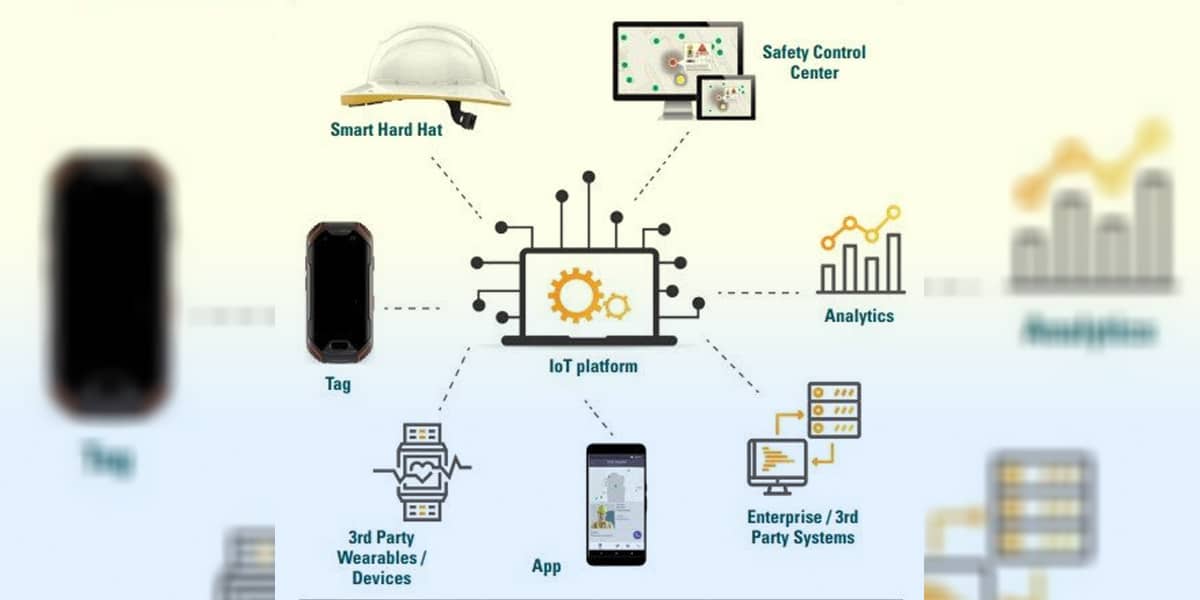
 Health monitoring and intervention innovations, often utilizing wearable devices, can provide real time monitoring of worker vital signs with live feedback to a control center. These applications can also help with mental health monitoring and suicide prevention.

Construction Robotics has benefited from the huge advances driven by the space program and manufacturing industry. Robotics technology has become more affordable and accessible. Construction Robotics startups are  working to automate dangerous processes on job sites, to augment worker capabilities, and to facilitate remote monitoring and inspections. 

Startups developing IOT Wearables are working to increase the effective strength of human workers and to eliminate occupational injuries as a result of lifting heavy objects or installation work in confined spaces.  IoT devices can be used to monitor and report on a range of environmental factors that impact health and safety. These include chemical contamination, inhalable dust, radiation, carbon dioxide, humidity, temperature, light, noise etc. 

Predictive Safety startups are using Machine learning and AI based predictive analytics to uncover potentially hazardous situations on job sites and make informed predictions about what may occur including accidents/incidents and near misses.

Software is now helping project managers identify high-risk areas in projects such as Oil and Gas installations, Highway and  Bridge projects, and large Building projects. Project managers can resolve issues and address problematic safety behaviors in real time via monitoring tools that suggest the actions to be taken backed up by analytics.

Technology in Construction Safety, Challenges and Future Trends

Sourced Photo

Sensors and inter-device communications are also being used to minimize emergency response times and improve safety for end users. These devices can detect sudden movements or falls and share real time locations with emergency responders. IoT is being used to enable real time workforce reporting by integrating sensors or RFID tags into workers’ helmets or vests thus connecting everyone on the job site by wireless technology.

Safety begins with the qualifications and experience of the workforce. A major factor that influences the number of accidents on any job site is the level of competence of the workers and their familiarity with site conditions. For large accelerated projects, it is often the case that contractors resort to hiring the workforce in large numbers in a short period of time to perform specific activities such as concreting, paving, welding, structural steel installation, scaffolding, cable laying etc. Startups now have developed platforms that can work in concert with the concerned government agencies to set up national construction safety databases to validate workforce hiring choices.  Such Digital Platforms help builders ensure that they hire qualified workers on their projects and at the same time, provide construction companies with lists of skilled workers to choose from. Digital platforms are also used to train and test workers’ competencies remotely prior to hiring them, and without incurring costs for travel, testing and qualification.

Safety has become paperless with safety professionals using digital mobile phone applications to record and resolve minor safety issues on site without interrupting the work and suspending activities except where absolutely necessary. In emergencies, they can issue stop work notices in real time and direct safety evacuations without resorting to manual head counts. Regular safety activities such as automatic sign-on, inductions, evaluations, and worker permits, are now part of a simple digital solution for the job site. 

Managers and employees can now utilize safety applications which include inspections, training, observations, and near-miss reporting without laborious paperwork, thereby improving the engagement of every worker in the safety process via their mobile devices. Such applications include safety onboarding, job hazard analysis, pre-task planning, toolbox talks, audits, checklists, worker certifications and incident reporting.

Opinion

Based on industry statistics, construction safety has not improved despite the availability of new technologies that could make a big difference. As compared to other sectors in the economy, the construction industry has been a slow adopter, but is now in the initial stages of a safety tech revolution. Technology is out there and is becoming increasingly accessible and affordable, such as construction robotics, IoT wearables and devices, sensors, Digital Platforms, and mobile applications to mention a few. The economics for adoption are justifiable and most importantly these technologies are saving lives every day. Young industry founders are putting in massive amounts of time and effort to democratize safety in the construction industry. It is no longer necessary for construction contractors to incur heavy licensing/technology costs, particularly medium size and small companies, in order to protect workers’ lives. They only need to be open to adopting these new technologies on their job sites. The construction accidents/fatality pandemic could become a thing of the past within this decade.

Ayad Chammas is a Construction and Engineering professional, Directing large infrastructure, oil & gas and renewable energy projects all over the world for the past three decades. He served as a senior executive in multinational infrastructure and Oil and Gas companies. Over the last decade, Ayad has been an active promoter of clean energy, investing in sectors such as EV and PV as well as Data Management and Fintech. He also serves on the board of several startups where he is also an investor and a partner in Nirman Ventures. 

The Vanguard of Security: LENX AI Weapons Detection and Communications Solution

In an era where the dynamics of security and defense are rapidly evolving, the integration of artificial intelligence (AI) into these domains is no longer a futuristic concept but a present-day necessity. Among the pioneers in this revolutionary transition is LENX, a company that has meticulously engineered a solution poised to redefine military and security protocols worldwide. The LENX AI Weapons Detection and Communications Solution emerges as a formidable force, seamlessly blending AI’s analytical prowess with advanced communication systems to address the intricate challenges besieging contemporary security efforts. “Your Safety, Our Duty,” encapsulates the ethos driving LENX’s innovation, symbolizing their unwavering commitment to advancing safety through technology.

At its core, the LENX solution is designed to detect potential threats with an accuracy and speed unattainable by human operatives alone. By harnessing the power of AI, this system can analyze vast arrays of data from multiple sources in real-time, identifying weapons and potential threats with unparalleled precision. This capability is not just about enhancing efficiency; it’s about saving lives by enabling quicker response times and more informed decision-making processes.

However, what sets the LENX solution apart is not merely its detection capabilities but its sophisticated integration with state-of-the-art communication technologies. In high-stakes scenarios where every second counts, effective communication channels are vital. The system ensures that once a threat is identified, information is swiftly relayed to relevant parties—be it military units or law enforcement agencies—facilitating immediate action.

This seamless marriage of detection and communication underpins a proactive approach to security. Rather than reacting to incidents post-occurrence, the LENX solution empowers authorities to anticipate and neutralize threats before they materialize. This paradigm shift towards preemptive action embodies a more intelligent form of warfare and public safety management, one where information superiority translates directly into enhanced security.

The ingenuity behind this solution stems from LENX’s meticulous research and development efforts. The team behind this innovation comprises experts in AI technology, defense strategy, and communications systems—all working synergistically to push the boundaries of what’s possible in security technology. This collaborative spirit extends beyond internal operations; LENX actively engages with stakeholders across various sectors to ensure their solution remains at the cutting edge of technological advancements.

In line with their mission “Your Safety, Our Duty,” LENX has prioritized ethical considerations in deploying their AI solutions. The company adheres strictly to regulations governing AI use in defense and security contexts while advocating for responsible innovation within the industry. This ethical stance underscores their dedication not only to enhancing safety but doing so with integrity.

The social media presence of LENX offers intriguing insights into their journey and achievements in developing this groundbreaking solution. Through platforms like Instagram (@lenxplatform) and LinkedIn (LEN Platform), they share updates on technological advancements, collaborations, and real-world applications of their system—a testament to their transparent approach in engaging with both industry peers and the general public.

Moreover, beyond just offering a product, LENX positions itself as a thought leader in AI-driven security solutions. Their website (lenx.io/) serves as a resource hub for understanding the complexities involved in integrating AI into defense mechanisms comprehensively—highlighting case studies, research findings, and expert analyses that provide deeper insights into their work’s impact.

As we stand on the cusp of a new age in military strategy and public safety management—one increasingly dominated by digitalization—the contributions of companies like LENX cannot be overstated. Their AI Weapons Detection and Communications Solution represents not just an advancement in technology but a leap forward in how we conceptualize security itself.

Embracing such innovations requires openness from all societal segments—governments need to recognize these technologies’ potential benefits; citizens must trust that such advancements aim at safeguarding rather than intruding upon personal liberties; industry players should collaborate towards ensuring these technologies are accessible yet secure.

The journey toward fully realizing this vision will undoubtedly be complex—fraught with technical challenges and ethical dilemmas alike—but it’s initiatives like those undertaken by LENX that illuminate our path forward.

With each step taken by entities like LENX towards refining such technologies further lies hope—not only for enhanced national defense capabilities but for fostering global peace through proactive deterrence strategies.

Indeed “Your Safety” becomes not just “Our Duty” at LENX but our collective responsibility as stewards of tomorrow’s world—a world where safety doesn’t come at freedom’s expense but rather hand-in-hand with it.


Published By: Aize Perez

Commit’s Dante Martinez sheds light on the benefits of platform engineering with AWS to streamline software delivery for startups

By: Dana Hoffsberg

Software development has become a crucial aspect of successful businesses in today’s fast-paced digital world. To meet the ever-increasing demands of businesses and customers, startups must be able to deploy new software quickly and efficiently. According to Dante Martinez, Commit’s Vice President of Solutions Architecture for North America, the best way to achieve this is by utilizing a platform engineering framework in conjunction with Amazon Web Services (AWS).

“Building and delivering software in the fast-paced world of startups can be filled with obstacles and complexities,” said Martinez. “As competition intensifies, optimizing your developer experience and streamlining software delivery becomes essential. That’s where the platform engineering framework, the AWS platform, and Commit’s expertise come together for our customers to innovate efficiently.”

Martinez explains that platform engineering is a game-changing approach to software delivery. By offering a suite of reusable tools and interfaces, it simplifies the process, improves efficiency, and ensures high-quality results.

“Startups frequently have a very limited budget and yet have to iterate with feature builds to find the perfect product market fit. Since Commit has a portfolio of more than a thousand projects, we have identified the proper frameworks that enable startups to experiment while limiting their cash burn rates.”

One of the key benefits of platform engineering is the simplification of software delivery which boosts developer efficiency and productivity. Automation and workflows that utilize AWS services and dynamic configuration capabilities can reduce the burden and stress on developers by automating repetitive tasks, allowing them to focus on developing new features that enhance software functionality. Startups particularly can leverage the advantages of traveling golden paths for architecture, application, and data decisions, which are critical to speed of innovation. 

According to Martinez, Internal Developer Portals (IDPs) represent the most advanced stage of platform engineering. These developer-centric platforms provide the tools, processes, and capabilities to deliver a high quality platform engineering experience for developers. The IDP becomes the interface for developers to interact with the platform. Developers experiment, plan, develop, test, and deploy, all from within the IDP. A common set of tooling and process means your teams collaborate better and share a protocol for delivery of software.

Startups particularly benefit from platform engineering as it helps them to avoid the accumulation of technical debt, which can be a true drain on resources and budget. By implementing best practices and automated solutions on day one, startups can focus on writing high-quality code and delivering best in class software. 

 Martinez suggests that a customized framework utilizing open-source tools and AWS native services can provide startups with platform engineering capabilities and advantages. This framework would save costs and enhance the competitive edge of startups. 

In conclusion, platform engineering in conjunction with AWS capabilities revolutionizes software delivery by simplifying the process, enhancing efficiency, and ensuring quality results. It offers customizable automation, developer-centric IDPs, and the ability to avoid technical debt, making it an essential tool for startups in the fast-paced digital landscape.

Published by: Martin De Juan

GPT-4 vs GPT-3.5 Differences

Image Commercially Licensed from Unsplash

As artificial intelligence continues its rapid evolution, the transition from GPT-3.5 to GPT-4 represents a monumental step forward. This detailed exploration highlights the key differences and advancements between these two AI giants, showcasing GPT-4’s groundbreaking impact across a spectrum of industries.

Building the Foundation: GPT-3.5’s Contribution to AI Development

GPT-3.5 served as a pivotal milestone in AI progression. Its enhanced abilities in understanding context, refining text generation, and interacting in more human-like ways laid the groundwork for the more advanced GPT-4. It represented a significant step in AI’s journey towards more sophisticated natural language processing, setting the stage for a more profound leap.

GPT-4: Revolutionizing AI-Language Models

GPT-4 emerges as a trailblazer in AI, distinguished by its exceptional understanding of context, enhanced multi-modal information processing, and an ability to interpret complex language nuances. This model represents not just an improvement, but a transformative shift in the capabilities of AI language models.

Key Features and Innovations Across Industries

  • Revolutionary Multi-modal Capabilities: GPT-4’s proficiency in handling both text and image inputs allows for groundbreaking applications, significantly enhancing user experiences in diverse fields such as e-commerce, education, healthcare, and media.
  • Exceptional Token Processing Power: GPT-4’s advanced token capacity enables it to digest and analyze long-form content, ranging from detailed scientific papers to comprehensive legal documents, thereby offering valuable insights and aiding in decision-making processes.
  • Parametric Superiority: The dramatic increase in GPT-4’s parameter count not only enhances its language processing abilities but also its understanding of complex concepts, making it an invaluable tool for tasks that require deep, nuanced comprehension.

Sector-Specific Advancements

  • E-Commerce and Marketing: GPT-4 is transforming the online retail landscape by generating rich, detailed product descriptions, and personalized shopping experiences. Its ability to create engaging narratives and marketing strategies is unparalleled.
  • Healthcare and Medical Research: In the medical field, GPT-4’s analytical capabilities facilitate breakthroughs in diagnosis and treatment planning, offering support in interpreting patient data and staying on top of all the latest research findings.
  • Finance and Economic Analysis: The model’s enhanced data processing abilities provide financial experts with deeper market insights, aiding in the development of more accurate predictive models and investment strategies.
  • Legal Industry: GPT-4 is revolutionizing legal research, quickly and accurately processing vast amounts of legal texts, which assists lawyers and legal professionals in case preparation and strategy development.
  • Creative Arts and Content Creation: In creative sectors, GPT-4 acts as a collaborator, assisting in the creation of diverse content ranging from literature to digital media. Its ability to understand and generate narrative structures pushes the boundaries of AI-assisted creativity.
GPT-4 vs GPT-3.5 Differences

Photo Credit: Grayling and Wraith

Embracing a Future Powered by GPT-4

The advancement from GPT-3.5 to GPT-4 is not just a step forward in AI technology; it’s a leap into a future where the boundaries between human and machine intelligence are increasingly blurred. GPT-4’s sophisticated language understanding and versatile applications across various fields underscore its role not just as a tool, but as a partner in innovation and creativity. This evolution is critical as we explore and unlock the vast potential of AI in improving and transforming our lives and work. With GPT-4, we stand on the cusp of an exciting era where the possibilities of AI are limitless.

To delve deeper into the nuances of GPT-4 and its comparison with GPT-3.5, refer to our full article 

Published by: Aly Cinco

KLOK partners with Mobilen Communcations INC to Redefine Mobile Communications Security

Revolutionizing the world of mobile communications, KLŌK is a fresh player in the market with an unwavering commitment to securing wireless networks. This ground-breaking company collaborates with the reputable Mobilen Communications INC to provide consumers with state-of-the-art WiFi devices safeguarded by top-tier network security protocols.

Seamlessly blending the expertise of cybersecurity specialists with telecommunications professionals, the KLŌK team embodies an exceptional blend of proficiencies to ensure your mobile communication remains strictly confidential.

KLŌK’s pioneering mission is underpinned by one simple principle – their dedication to securing wireless networks. Developing cutting-edge devices that not only uphold this resolve but elevate it is what sets KLŌK apart from its competition. They are driven by the belief that confidentiality and safety in mobile communications should never be compromised. Hence, they are devotedly engaging with innovative solutions to ensure that their devices serve as a bastion against all digital threats. Government entities and businesses that prefer top-notch security and privacy in their mobile communications may find KLŌK to be the go-to choice in the market.

A unique aspect of KLŌK’s method of operation rests in its zero-trust philosophy. In network security parlance, ‘zero trust’ signifies a belief that no device, user or system should be inherently trusted by default, even if they’re already operating within the network. This extends to routers and access points engaged by users for network connection, especially those shared among different users.

This approach ensures that every single access attempt is verified every time it is made. This increases the level of security immeasurably and significantly reduces the risk of internal threats. By maintaining a cautious vigilance and not placing unbridled trust in any component, KLŌK guarantees an unrivaled level of security that remains ever-vigilant.

Powering KLŌK’s promise of exceptional security is a special collaboration with Mobilen Communications Inc., which offers secure SIM Cards equipped with Post Quantum Encryption. This partnership embodies the unique philosophy of KLŌK, showing that its commitment to security is not only verbal but also evident in its actions. Mobilen’s secure SIM cards ensure that the network is protected by utilizing post-quantum cryptography. 

In the words of the company, “Mobilen is proud to partner with KLŌK to deliver its post-quantum encrypted network and secure all data in transit.” This level of detail illustrates the collaborative effort of both organizations and highlights KLŌK’s unwavering commitment to network security.

New to the market but a powerhouse in potential, KLŌK forms a promising prospect for anyone seeking a secure, reliable, and cutting-edge option in the world of mobile communications. Its partnership with Mobile Communications amplifies this, providing a greater level of assurance and trust in its brand and offerings.

The journey of KLŌK and its dedication to privacy and advancement of network security offers exciting prospects for its customers and for the telecommunications industry at large. As we move into an era where mobile communications have become a bedrock of our daily lives, the protection offered by companies like KLŌK, supported by strong partnerships with firms like Mobilen, serves as a beacon of reassurance in a world where data privacy and security can often feel uncertain.

To discover more about KLŌK’s offerings and their forward-thinking vision, visit their official website at buyklok.com/. Their resolve to safeguard your network is clear and remains a vital spark in the burgeoning field of mobile communications and network security.


Published By: Aize Perez