Most career advice treats advancement as a single problem with a single solution. Work hard. Build skills. Deliver results. Network strategically. The advice stays roughly the same whether someone is six months into their first professional role or preparing for a step into executive leadership.
Jissan Cherian thinks that’s a significant part of why so many high performers plateau. Not because they stop being capable, but because they keep applying the strategy that worked at one stage to a problem that requires a completely different approach at the next.
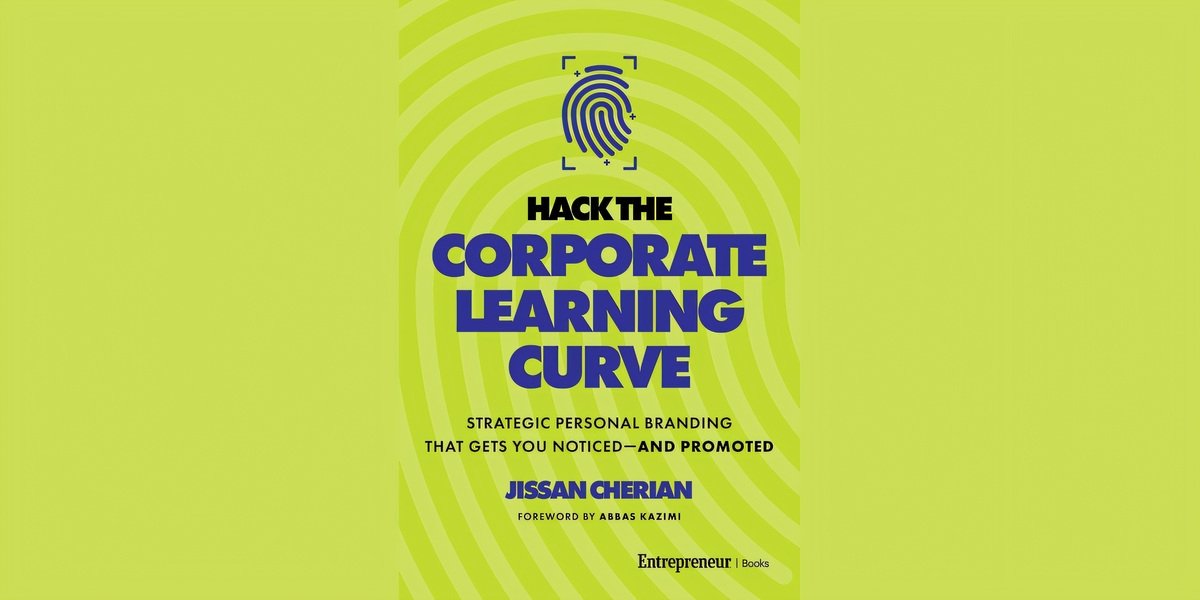
His book Hack the Corporate Learning Curve is built around a framework that takes career stage seriously in a way most career development resources don’t.
Why One Size Fails Everyone
The five Career Personas in the book aren’t personality types. They’re stages of market awareness for a professional’s personal brand, each with specific challenges and specific strategies that actually address those challenges rather than the ones from the previous stage.
Early career professionals need to build awareness and credibility. They need to demonstrate their strengths, understand the organization, ask thoughtful questions, and establish relationships across teams. The goal at this stage is to become visible and trusted before trying to lead.
Mid-career professionals face a different problem entirely. It’s no longer enough to deliver excellent individual work. The shift is toward influence, leading projects, collaborating across functions, and becoming known for creating results through others rather than doing everything personally.
At senior levels, the brand becomes less about individual execution and more about vision, judgment, and the ability to develop future leaders. The question isn’t what someone can do. It’s what they can enable others to become.
Where people most commonly go wrong, Jissan says, is continuing to operate with the mindset that made them successful at the previous stage. The behaviors that earn a first promotion aren’t the ones that prepare someone for executive leadership. Using yesterday’s strategy on today’s problem produces yesterday’s results at best and quiet stagnation at worst.
The Mentors Who Changed Everything
Jissan’s own career was shaped at pivotal moments by leaders who invested in him before he had fully invested in himself. What he remembers most vividly isn’t that they removed obstacles. It’s that they saw potential he hadn’t yet recognized and created opportunities for him to prove it to himself.
That experience shaped how he now shows up for others. He doesn’t believe the role of a mentor is to chart someone else’s career. It’s to help people recognize their own strengths, ask better questions, and develop the confidence to navigate opportunities independently. The book, he says, is designed to do exactly that for readers who may not have had access to that kind of mentorship.
That access gap is one of the driving forces behind DVERSFY, the organization Jissan founded to develop the next generation of inclusive leaders. Throughout his career, he worked with incredibly capable professionals whose performance was never the issue. The challenge was that nobody had taught them how to strategically communicate their value, build influential relationships, or navigate organizational dynamics. Those gaps disproportionately affect professionals who haven’t had access to informal sponsorship or executive networks. The book exists, in no small part, to close that gap.
Career Ownership Is No Longer Optional
One of the more uncomfortable realities Jissan surfaces is about the shift in who is responsible for career development. Organizations today are moving faster than ever. Restructuring, new technologies, changing business priorities, and global competition mean companies can no longer always provide the structured career paths they once did.
That doesn’t mean organizations no longer care about developing talent. But it does mean professionals can no longer assume someone else is managing their careers on their behalf. Career development has become a shared responsibility. Organizations should create opportunities, provide feedback, and invest in development. Individuals must take ownership of understanding their strengths, building relationships, and intentionally shaping how they are perceived and recognized.
That level of ownership, Jissan says, is here to stay. The professionals who thrive in that reality aren’t the ones who wait to be noticed. They’re the ones who understand, at every stage of their career, exactly what it takes to be seen.
If the strategy that got you your last promotion has stopped working and you’re not sure what comes next, Hack the Corporate Learning Curve by Jissan Cherian is available now on Amazon. The game changes at every stage. This book tells you exactly how.