US Business News

How Ambiguous Messaging Impacts U.S. Corporate Trust


Corporate trust depends on clarity. When companies communicate with precision, they build confidence across customers, employees, and stakeholders. But when messaging becomes vague, inconsistent, or overly polished, that trust starts to unravel. Across the U.S., businesses are learning that ambiguous communication doesn’t just confuse, it weakens credibility and invites skepticism.

In a market where transparency is expected, unclear messaging can feel evasive. Whether it’s a product launch, a public statement, or internal communication, the way a company chooses its words shapes perception. Corporate trust isn’t just about what’s said, it’s about how it’s said, and whether it feels honest.

Why Clarity Matters More Than Ever

Trust is fragile in today’s business climate. Customers have access to endless information, and employees are more vocal about their expectations. A single vague statement can spark doubt, especially when it touches on pricing, product safety, or company values.

When messaging lacks clarity, people start to question intent. Was something left out deliberately? Is the company avoiding accountability? These questions don’t arise when communication is direct and specific. That’s why corporate trust relies so heavily on transparency and consistency.

Companies that communicate clearly tend to build stronger relationships. Their audiences feel informed, respected, and included. On the other hand, ambiguous messaging can make people feel excluded or manipulated, which erodes trust over time.

The Risk of Mixed Signals

Ambiguous messaging often leads to mixed signals. A company might say it values sustainability but fail to explain how its operations reflect that. Or it might promote diversity without showing how those values are embedded in hiring practices. These gaps between message and action create confusion and skepticism.

This disconnect is especially visible in branding and marketing. When companies use broad, feel-good language without substance, audiences tune out. They want specifics, what’s being done, why it matters, and how it affects them. Without that, corporate trust starts to slip.

Consider a company that announces, “We’re committed to diversity and inclusion.” Without context, this reads as generic. But when that message is backed by data, like increasing representation in leadership roles or launching mentorship programs, it becomes credible. Specificity turns vague promises into proof.

Mixed signals also affect internal culture. Employees who receive vague updates about company goals or performance may feel disconnected from leadership. They might struggle to understand their role or how their work contributes to broader objectives. Over time, this lack of clarity can lead to disengagement and turnover.

Gen Z’s Influence on Corporate Communication

The rise of Gen Z in the workforce is reshaping how companies communicate. This generation values authenticity, directness, and personal expression. They’re quick to spot vague or performative messaging and expect companies to back up their words with action.

As explored in Gen Z corporate culture and personal expression, younger employees want to see their values reflected in workplace communication. That means clear policies, open dialogue, and messaging that acknowledges real challenges. Companies that rely on generic statements or avoid difficult topics risk losing credibility with this audience.

For example, a company might say, “We support individuality in the workplace.” But without showing how that support plays out, through flexible dress codes, employee-led culture groups, or inclusive workspaces, the message feels hollow. Gen Z expects substance, not slogans.

Their preference for transparency is also influencing customer expectations. They want to know how products are made, how companies treat their workers, and what values guide decision-making. Ambiguous messaging doesn’t meet these standards, it feels outdated and insincere.

Product Messaging and Customer Trust

Product launches are a critical moment for building or breaking corporate trust. When companies introduce new offerings, the way they communicate sets the tone for customer relationships. Transparency during this process can make a lasting impression.

How Ambiguous Messaging Impacts U.S. Corporate Trust

Photo Credit: Unsplash.com

As highlighted in how transparent product launches build customer trust, sharing honest details about features, limitations, and development challenges helps customers feel informed. It shows that the company respects their intelligence and values their experience.

Compare two approaches: one company says, “Our new platform revolutionizes user experience.” Another says, “Our new platform reduces page load time by 40%, improves mobile navigation, and adds customizable dashboards.” The second message builds trust by being specific and measurable. The first relies on vague buzzwords that leave customers guessing.

Ambiguous product messaging creates uncertainty. Customers may hesitate to buy if they don’t understand what the product does or how it compares to alternatives. They may feel misled if expectations aren’t managed properly. This kind of confusion can lead to negative reviews, returns, and long-term damage to corporate trust.

Internal Messaging and Employee Confidence

Corporate trust isn’t just external, it starts within. Employees need clear communication to feel confident in their roles and aligned with company goals. When internal messaging is vague or inconsistent, it creates uncertainty and frustration.

Leadership plays a key role here. Managers who communicate openly about performance, expectations, and company direction tend to build stronger teams. Employees feel valued when they’re kept in the loop and given honest feedback. Ambiguous messaging, by contrast, can make them feel overlooked or undervalued.

Take a restructuring announcement. Saying, “We’re making changes to better align with strategic goals,” leaves employees anxious. But saying, “We’re restructuring our marketing and operations teams to focus on digital growth. No layoffs are planned, and affected employees will receive direct support,” builds clarity and trust.

This is especially important during times of change. Whether it’s a shift in strategy or a response to external events, clarity helps employees navigate transitions. It reduces anxiety and builds resilience. Without it, corporate trust can unravel from the inside out.

The Cost of Avoiding Transparency

Some companies avoid transparency out of fear, fear of backlash, fear of revealing weaknesses, or fear of losing control over the narrative. But this avoidance often backfires. When messaging feels evasive, people fill in the blanks with their own assumptions, which may be worse than the truth.

Ambiguous communication can also create legal and reputational risks. If a company’s messaging is unclear about policies, product claims, or financial performance, it may face scrutiny from regulators or investors. Even if the intent wasn’t deceptive, the lack of clarity can be damaging.

Corporate trust thrives on openness. That doesn’t mean sharing every detail, but it does mean being honest about what matters. Companies that embrace transparency tend to recover faster from setbacks and build stronger reputations over time.

Building Trust Through Clear Messaging

To strengthen corporate trust, companies need to prioritize clarity in every aspect of communication. That means using plain language, avoiding jargon, and being specific about actions and outcomes. It also means listening, creating space for feedback and responding thoughtfully.

Consistency is key. Messaging should align across departments, platforms, and audiences. When people hear the same message from leadership, marketing, and customer service, it reinforces credibility. When messages conflict, trust erodes.

Tone matters too. Communication should feel human, not robotic. It should acknowledge challenges, show empathy, and reflect the company’s values. This kind of messaging builds connection and loyalty.

In a competitive market, trust is one of the most valuable assets a company can have. It influences customer decisions, employee engagement, and long-term success. Ambiguous messaging puts that asset at risk. Clear, honest communication protects it.


Why Brand Partnerships Are Gaining Ground in the U.S.

Brand partnerships are gaining ground across the U.S. as companies look for smarter ways to grow, reach new audiences, and stay competitive in unpredictable markets. These collaborations are no longer limited to splashy co-branded campaigns or seasonal product tie-ins. They’re becoming a core strategy for businesses navigating economic uncertainty, shifting consumer behavior, and rising operational costs.

From retail and tech to food and finance, brand partnerships are helping companies share resources, expand visibility, and build trust with customers. They offer a way to innovate without starting from scratch, and when done well, they create mutual value that goes beyond short-term gains.

Why Brand Partnerships Work in a Volatile Market

In a climate where budgets are tight and expectations are high, brand partnerships offer a practical solution. Instead of investing heavily in solo initiatives, companies can team up to share costs, talent, and infrastructure. This approach reduces risk while increasing reach.

For example, a fitness apparel brand might partner with a wellness app to offer exclusive content and discounts. The apparel company gains digital engagement, while the app benefits from physical product visibility. Both brands tap into each other’s audiences without competing directly.

These kinds of collaborations are especially appealing during periods of economic uncertainty. As highlighted in U.S. venture capital investment trends, investors are increasingly drawn to companies that show strategic resilience. Brand partnerships signal adaptability and resourcefulness, which can strengthen investor confidence.

Concrete Examples of Brand Partnerships in Action

Across industries, brand partnerships are showing up in creative and impactful ways. In the food sector, a plant-based meat company joined forces with a national fast-food chain to launch a limited-time menu item. The fast-food brand attracted health-conscious customers, while the plant-based company gained mainstream exposure. The partnership drove sales and expanded both companies’ reach.

In tech, a cloud storage provider partnered with a productivity software company to offer bundled services for small businesses. Customers received seamless integration and discounted pricing, while both brands increased retention and cross-platform engagement.

Retail has seen similar moves. A luxury fashion label collaborated with a streetwear brand to release a capsule collection. The partnership blended exclusivity with accessibility, attracting younger shoppers while reinforcing brand relevance. It also generated media buzz and social media traction without the need for a major ad spend.

These examples show how brand partnerships can be tailored to fit different goals, whether it’s expanding market share, testing new products, or repositioning a brand.

Brand Partnerships vs. Mergers and Acquisitions

While mergers and acquisitions continue to reshape U.S. industries, brand partnerships offer a more flexible alternative. As explored in how M&A activity is reshaping industries, consolidation often involves complex integration and long-term commitments. Partnerships, by contrast, allow companies to collaborate without giving up independence.

This flexibility is especially valuable for startups and mid-sized firms. They can partner with larger companies to access distribution channels, marketing support, or technical expertise, without losing control over their brand identity. It’s a way to scale strategically while maintaining agility.

Even large corporations benefit from partnerships. By teaming up with niche or emerging brands, they stay relevant and tap into cultural trends. These collaborations help legacy companies refresh their image and connect with younger audiences.

How Brand Partnerships Build Customer Trust

Trust is a major factor in consumer decision-making, and brand partnerships can strengthen it. When two reputable companies join forces, customers often view the collaboration as a sign of credibility. It suggests that both brands are confident in their offerings and willing to stand behind each other.

This effect is especially strong when partnerships focus on shared values. A beauty brand that teams up with a sustainability-focused packaging company sends a clear message about its environmental priorities. Customers who care about those values are more likely to engage, purchase, and advocate.

Transparency also plays a role. When companies clearly communicate the purpose and benefits of a partnership, it builds goodwill. Customers appreciate knowing what’s behind a collaboration, whether it’s better pricing, improved service, or access to exclusive products.

Challenges and How to Avoid Misalignment

Not all brand partnerships succeed. Misalignment in goals, audiences, or execution can lead to confusion or backlash. If the brands don’t share similar values or if the collaboration feels forced, customers may reject it.

Why Brand Partnerships Are Gaining Ground in the U.S.

Photo Credit: Unsplash.com

One example is a luxury brand partnering with a discount retailer without a clear strategy. The move might alienate loyal customers who value exclusivity, while failing to attract new ones who see the partnership as inconsistent. In such cases, corporate trust can suffer.

To avoid these pitfalls, companies need to define shared objectives, understand each other’s audiences, and communicate clearly. Successful brand partnerships are built on mutual respect and strategic planning, not just convenience or trend-chasing.

The Long-Term Value of Strategic Collaboration

Brand partnerships aren’t just about short-term wins. When thoughtfully executed, they create long-term value by deepening customer relationships, expanding capabilities, and opening new revenue streams. They also foster innovation by combining different perspectives, technologies, and approaches.

In the U.S., this model is gaining traction as companies look for smarter ways to grow. Whether it’s through co-branded products, joint ventures, or shared platforms, brand partnerships offer a way to stay competitive without going it alone.

As markets continue to shift, collaboration will remain a powerful tool. Companies that embrace brand partnerships with clarity and purpose are better positioned to adapt, connect, and thrive.

Couples Marrying, Not Having Kids: A Modern Trend

Why are more couples getting married but refusing to have children? It’s a question that reflects a significant shift in societal norms and individual priorities. For many, marriage remains a cherished milestone, symbolizing commitment and shared futures. However, the decision to forgo parenthood, even within a committed partnership, is becoming increasingly common. This choice is multifaceted, stemming from a variety of economic, personal, and social factors that influence contemporary relationships and life paths.

Why Do Financial Realities Influence Couples Not Having Children?

The financial burden of raising children is a major consideration for couples getting married but refusing to have children. The costs associated with childcare, education, healthcare, and daily living expenses can be staggering. Many couples analyze their financial stability and realize that adding a child to the equation would necessitate significant sacrifices or create overwhelming stress. Housing costs, particularly in urban areas, continue to climb, making it difficult to afford sufficient space for a growing family. The expense of a good education, from preschool through higher education, is another substantial financial commitment that weighs heavily on potential parents.

Beyond direct costs, there’s the opportunity cost of reduced income if one parent takes time off work or scales back their career to care for a child. This economic reality shapes many couples’ decisions to prioritize financial security and personal goals over starting a family. They might choose to invest in their careers, save for retirement, or pursue experiences like travel, which become less feasible with the financial demands of parenthood. This pragmatic approach to finances often leads couples to opt out of having children, even if they deeply love their partners and envision a lifelong commitment.

This trend aligns with broader demographic shifts, as the average age of first-time mothers continues to increase, reflecting how financial planning and career priorities are reshaping family timelines.

Are Personal Freedoms and Lifestyle Choices a Reason for Couples Not Having Children?

Another compelling reason why couples are getting married but refusing to have children centers on the desire for personal freedom and the preservation of a chosen lifestyle. Many individuals value the autonomy and flexibility that come with a child-free existence. This includes the ability to travel spontaneously, pursue hobbies without interruption, and maintain a demanding career. The structure and routine that children necessitate can feel restrictive to those who prioritize a less encumbered way of life. Couples might enjoy their current dynamic, where their time and resources are primarily dedicated to each other and their shared interests. They might find fulfillment in their professional achievements, artistic pursuits, or volunteer work, seeing these as their primary contributions to the world.

Couples Marrying, Not Having Kids: A Modern Trend

Photo Credit: Unsplash.com

The idea of sacrificing late nights out, quiet weekends, or impromptu trips for the demands of childcare can be unappealing. This isn’t to say these couples don’t appreciate children, but rather that their vision of a fulfilling life doesn’t include the responsibilities of parenthood. The focus shifts from raising a family to cultivating a rich and varied personal experience, often shared intimately with their spouse. This personal preference for autonomy is a significant factor in why some couples are getting married but refusing to have children.

Do Career Ambitions Play a Role in Couples Not Having Children?

Career ambition is a significant motivator for many couples getting married but refusing to have children. In a highly competitive professional landscape, individuals often dedicate substantial time and energy to advancing their careers. The demands of a challenging job, coupled with the desire for upward mobility, can make the prospect of parenthood seem daunting. Taking maternity or paternity leave can impact career progression, and the ongoing responsibilities of raising children can limit the ability to work long hours, travel for business, or relocate for promotions.

Many couples find deep satisfaction and purpose in their professional lives, seeing their work as a vital part of their identity. They may prioritize achieving certain career milestones, building a successful business, or making a significant impact in their chosen field. For these couples, the timing never feels right, or they simply recognize that balancing demanding careers with the immense responsibilities of parenthood would be exceedingly difficult.

This dynamic is especially pronounced in relationships where women are the primary earners. As gender roles shift in relationships where women earn more, couples often renegotiate expectations around caregiving, career prioritization, and long-term planning, sometimes choosing to forgo children altogether to preserve balance and ambition.

How Do Societal Changes Influence Couples Not Having Children?

Societal shifts also play a crucial role in why couples are getting married but refusing to have children. There’s a growing acceptance and normalization of child-free lifestyles, which was less prevalent in previous generations. The traditional expectation that marriage automatically leads to parenthood is diminishing. Modern media and cultural narratives increasingly feature child-free individuals and couples, providing validation and visibility for this choice. Furthermore, concerns about environmental issues, such as climate change and resource scarcity, lead some couples to question the ethical implications of bringing new life into the world. There’s a sense of responsibility towards the planet and a desire to minimize their carbon footprint.

Others are influenced by the increasing awareness of global challenges, like overpopulation, and feel a sense of unease about contributing to these issues. The availability of reliable contraception and increased access to family planning resources also empower couples to make intentional choices about their reproductive lives. Social networks and online communities provide spaces for child-free individuals to connect and share their experiences, reinforcing the validity of their decision.

What About the Desire for Personal Growth for Couples Not Having Children?

The pursuit of personal growth and self-discovery is another compelling reason for couples getting married but refusing to have children. For many, marriage is seen as a partnership that supports individual development and exploration. Without the demands of raising children, couples have more time and energy to dedicate to their own intellectual, emotional, and spiritual journeys. This might involve pursuing higher education, learning new skills, engaging in extensive travel, or dedicating themselves to creative endeavors.

Couples Marrying, Not Having Kids: A Modern Trend

Photo Credit: Unsplash.com

They may prioritize deep personal connection with their partner, fostering a relationship built on shared experiences and mutual growth. The concept of “conscious coupling,” where both individuals are committed to their own evolution and supporting their partner’s, often aligns with a child-free lifestyle. They believe that without the pressures of parenthood, they can invest more fully in their relationship, strengthening their bond and navigating life’s challenges as a cohesive unit. This intense focus on individual and relational development is a significant factor for couples getting married but refusing to have children, as they see their lives together as an ongoing opportunity for self-improvement and shared adventures.

AI Career Coaching Gains Ground Among Young U.S. Workers

Why Are Young U.S. Workers Turning to AI Career Coaching?

Navigating a career path can feel overwhelming, especially for those just starting out or trying to shift directions. Many young U.S. workers are facing a job market that’s constantly changing, with new roles, expectations, and technologies shaping how work gets done. Traditional career advice often feels too broad or outdated, and not everyone has access to personalized guidance. That’s where AI career coaching is starting to gain ground.

AI career coaching refers to digital tools that use artificial intelligence to offer tailored career advice. These platforms can help users identify strengths, explore job options, prepare for interviews, and even refine resumes. What makes them appealing is their ability to respond quickly and adapt to individual needs. Instead of waiting weeks for a meeting with a human coach, users can get feedback in minutes.

For those who’ve felt stuck or unsure about their next move, this kind of support can feel like a relief. It’s not always easy to know what direction to take, especially when job descriptions are vague or expectations shift without warning. AI career coaching doesn’t solve everything, but it offers a starting point that feels accessible and practical.

How Does AI Career Coaching Actually Work?

Most AI career coaching tools rely on algorithms trained to recognize patterns in job data, resumes, and user behavior. When someone interacts with the platform, it analyzes their responses and offers suggestions based on what’s worked for others in similar situations. This might include resume edits, interview tips, or job matches that align with their skills and goals.

Some tools go further by simulating mock interviews or offering feedback on communication style. Others help users track progress over time, setting goals and checking in on milestones. The experience is often interactive, with users answering questions or uploading documents that the system reviews.

The appeal lies in the speed and personalization. Young U.S. workers are used to digital tools that respond quickly and adjust to their preferences. AI career coaching fits into that rhythm, offering guidance without requiring long appointments or formal processes.

That said, not every tool is perfect. Some users report that the advice can feel generic or miss key details. Others worry about privacy or whether the system truly understands their goals. These concerns are valid, and they highlight the importance of using AI career coaching as one part of a broader strategy, not the only source of guidance.

What Makes AI Career Coaching Appealing to Younger Workers?

Younger workers often face unique challenges. Many are entering industries that didn’t exist a decade ago, or trying to build careers in fields that are constantly evolving. Job descriptions can be vague, expectations unclear, and feedback hard to come by. Traditional career services may not offer the kind of support that feels relevant or timely.

AI Career Coaching Gains Ground Among Young U.S. Workers

Photo Credit: Unsplash.com

AI career coaching offers a different kind of experience. It’s available anytime, doesn’t require scheduling, and can be used privately. That matters to those who feel uncomfortable asking for help or who want to explore options without pressure. The tools are often designed to be intuitive, with simple interfaces and clear instructions.

There’s also a sense of control. Users can choose what to focus on, whether it’s resume formatting, interview prep, or exploring new roles. They can revisit the tool as often as needed, adjusting their goals or trying new approaches. That flexibility makes it easier to stay engaged and motivated.

For those who’ve felt lost or overlooked in traditional career support systems, AI career coaching offers a way to take action. It’s not about replacing human advice, but about supplementing it with something that feels more responsive and personalized.

Are There Limitations to AI Career Coaching?

While AI career coaching has its strengths, it’s not without limitations. The advice is based on patterns and data, which means it may miss the nuance of individual experiences. A tool might suggest a job based on keywords, without understanding the user’s deeper interests or values. It might offer resume tips that work for one industry but fall flat in another.

There’s also the question of emotional support. Career decisions can be stressful, and AI tools aren’t equipped to offer empathy or encouragement in the same way a human coach might. For those dealing with rejection, burnout, or uncertainty, that kind of support can be just as important as practical advice.

Privacy is another concern. Users may wonder how their data is stored, who has access to it, and whether it’s being used responsibly. Most platforms offer some level of transparency, but not all users feel confident in those assurances.

Despite these challenges, many young U.S. workers are finding value in AI career coaching. They’re using it as a tool, not a solution, combining it with other resources and adjusting based on what works. That kind of flexibility is helping them stay proactive and informed, even when the job market feels unpredictable.

Is AI Career Coaching Shaping the Way Career Support Is Delivered?

There’s a quiet shift happening in how career guidance is offered and received. AI career coaching is part of that change, offering a model that’s faster, more personalized, and easier to access. It’s not replacing traditional services, but it’s influencing how those services evolve.

Some organizations are starting to integrate AI tools into their career centers, using them to handle routine tasks or offer initial feedback. Others are exploring hybrid models, where human coaches use AI insights to guide their sessions. The goal is to make support more efficient and relevant, especially for younger workers who expect digital solutions.

This shift reflects broader changes in how work is understood. Careers are no longer linear, and job paths often involve pivots, pauses, and experimentation. AI career coaching fits into that reality, offering support that adapts as goals change.

For young U.S. workers trying to navigate those shifts, the availability of AI career coaching can make a difference. It’s not about finding the perfect job overnight, but about building habits and tools that support long-term growth. That kind of support, even in small doses, can help make the process feel less daunting and more manageable.

Hardware Innovation Continues to Shape U.S. Tech Industry

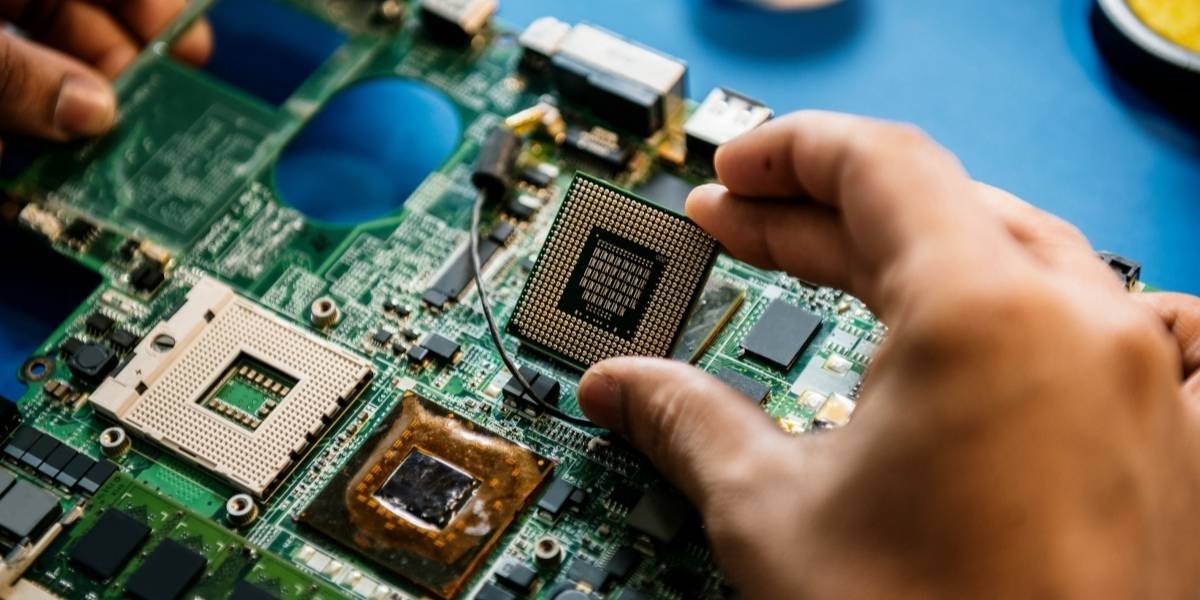
Hardware innovation is playing a pivotal role in shaping the future of the U.S. tech industry. While software often dominates the spotlight, the physical technologies powering everything from artificial intelligence to robotics are evolving rapidly. From custom chips and edge devices to autonomous systems and advanced sensors, hardware innovation is enabling smarter, faster, and more efficient solutions across sectors.

As demand grows for real-time processing, energy efficiency, and scalable infrastructure, companies are investing heavily in hardware development. Startups and established firms alike are pushing boundaries in design, manufacturing, and integration, driving a new wave of transformation across the tech landscape.

Why Hardware Innovation Is Accelerating

Several factors are fueling the rise of hardware innovation. First, the explosion of AI and machine learning has created demand for specialized processors. Graphics processing units (GPUs), tensor processing units (TPUs), and neuromorphic chips are being developed to handle complex workloads with speed and precision.

Second, the growth of edge computing is shifting data processing closer to the source. Devices like smart cameras, industrial sensors, and autonomous vehicles require robust, low-latency hardware to operate reliably. This decentralization reduces reliance on cloud infrastructure and supports real-time decision-making.

Third, the robotics sector is expanding rapidly. Startups are building machines that navigate warehouses, assist in surgeries, and automate agriculture. These systems rely on mechanical precision, embedded intelligence, and durable components. For more on this trend, see how robotics startups are attracting major funding across the U.S.

Hardware Innovation in Action

NVIDIA continues to lead in hardware innovation with its high-performance GPUs tailored for AI, gaming, and scientific computing. Its latest chips support generative AI models and large-scale simulations, enabling breakthroughs in autonomous driving and climate research.

Apple’s M-series chips showcase how custom silicon can enhance performance and energy efficiency. By designing processors in-house, Apple has optimized its devices for speed, battery life, and seamless integration across platforms.

Startups like Cerebras Systems are pushing boundaries with wafer-scale chips designed for deep learning. Their architecture allows for massive parallel processing, reducing training time for complex models.

In robotics, Boston Dynamics has developed agile machines like Spot and Atlas, combining mechanical engineering with advanced sensors and control systems. These robots are being used in logistics, inspection, and emergency response, demonstrating how hardware innovation can solve real-world challenges.

Challenges in Hardware Development

Despite its promise, hardware innovation comes with unique challenges. Unlike software, hardware requires physical prototyping, manufacturing, and supply chain coordination. These processes are capital-intensive and time-consuming, especially for startups.

Global component shortages and geopolitical tensions have impacted production timelines. Access to rare earth materials, fabrication facilities, and logistics networks can affect scalability and reliability. Companies must navigate these risks while maintaining compliance and quality standards.

Testing and certification are also critical. Hardware products must meet safety, interoperability, and environmental regulations. This adds complexity to development and market entry, particularly in sectors like healthcare and transportation.

Choosing the right hardware solutions is essential for business success. Leaders must evaluate performance, compatibility, and long-term support when selecting components or platforms. For guidance, see insights on navigating hardware decisions that align with strategic goals.

Hardware’s Role in Emerging Technologies

Hardware innovation is foundational to emerging technologies like quantum computing, augmented reality, and 5G. Quantum processors require ultra-cold environments and precise control mechanisms, while AR devices depend on lightweight displays and spatial sensors.

In 5G infrastructure, hardware enables faster data transmission and lower latency. Base stations, antennas, and signal processors must be optimized for performance and energy efficiency. These components support applications ranging from smart cities to remote surgery.

Wearable technology is another area where hardware innovation is advancing. Devices that monitor health, track movement, or deliver immersive experiences rely on miniaturized sensors, flexible materials, and efficient power management.

Investment and Talent in Hardware Innovation

Venture capital is flowing into hardware startups focused on AI, robotics, and edge computing. Investors are recognizing the long-term value of differentiated hardware solutions. Funding rounds for companies like SiFive, Formlabs, and Ambiq reflect growing confidence in the sector.

Hardware Innovation Continues to Shape U.S. Tech Industry

Photo Credit: Unsplash.com

Universities and research institutions continue to play a vital role. Labs at MIT, Stanford, and Georgia Tech are developing new materials, architectures, and fabrication techniques. These environments foster collaboration between academia and industry, accelerating commercialization.

Talent remains a key factor. Engineers with expertise in electrical design, embedded systems, and mechanical integration are in high demand. Companies are investing in training programs and partnerships to build the next generation of hardware innovators.

Looking Ahead: The Future of Hardware Innovation

The future of hardware innovation in the U.S. tech industry looks promising. As digital systems become more complex and interconnected, the need for robust, adaptive hardware will only grow. Companies that prioritize hardware innovation may gain a competitive edge in performance, reliability, and user experience.

Sustainability is also shaping hardware design. Energy-efficient components, recyclable materials, and modular architectures are becoming standard. These practices support environmental goals and reduce lifecycle costs.

Cross-sector collaboration will be essential. Hardware innovation often requires input from software developers, data scientists, and end users. Cross-functional teams can ensure that devices meet real-world needs and deliver measurable impact.

For tech leaders, embracing hardware innovation means investing in infrastructure, talent, and long-term vision. It’s not just about building devices, it’s about shaping the future of how we live, work, and connect.

Understanding the Impact of Capital Gains Tax on U.S. Real Estate

Capital gains tax plays a significant role in shaping real estate decisions across the United States. Whether someone is selling a primary residence, offloading an investment property, or navigating a complex portfolio, the tax implications can be substantial. For buyers and sellers alike, understanding how capital gains tax works, and how it affects timing, pricing, and strategy, is essential.

At its core, capital gains tax is levied on the profit made from the sale of an asset. In real estate, this typically means the difference between the purchase price and the sale price, minus allowable expenses. The rate depends on how long the property was held and the seller’s income bracket, making it a variable factor in every transaction.

How Capital Gains Tax Applies to Real Estate Sales

When a property is sold, the IRS distinguishes between short-term and long-term capital gains. If the asset was held for less than a year, the profit is taxed as ordinary income. If held for more than a year, it qualifies for long-term capital gains rates, which are typically lower.

For example, a homeowner who bought a property for $400,000 and sold it for $550,000 after five years would be subject to long-term capital gains tax on the $150,000 profit, minus eligible deductions. These might include closing costs, agent commissions, and improvements made to the property.

Primary residences receive special treatment. Under current rules, individuals can exclude up to $250,000 of profit from capital gains tax, and married couples can exclude up to $500,000, provided they’ve lived in the home for at least two of the past five years. This exclusion has helped many homeowners avoid tax burdens when selling their homes, but it doesn’t apply to rental or investment properties.

Investment Properties and Tax Strategy

For investors, capital gains tax is a central consideration. Rental properties, commercial buildings, and land held for appreciation are all subject to taxation upon sale. Because these assets don’t qualify for the primary residence exclusion, sellers often look for ways to reduce their tax liability.

One common strategy is the 1031 exchange, which allows investors to defer capital gains tax by reinvesting the proceeds into a similar property. This approach supports long-term portfolio growth and is widely used in commercial real estate. However, it comes with strict rules around timing and property type, and not all transactions qualify.

Another factor is depreciation recapture. Properties that have been depreciated for tax purposes may face additional tax when sold, as the IRS “recaptures” the benefit previously claimed. This can significantly increase the tax owed, especially for long-held assets.

Understanding these nuances is critical for anyone managing real estate investments. Working with a tax advisor or real estate professional can help clarify options and avoid costly mistakes. For those navigating fees and commissions, insights into negotiating real estate costs can also support smarter financial planning.

Capital Gains Tax and Market Behavior

The presence of capital gains tax influences how and when people sell property. In hot markets, sellers may be more willing to absorb the tax if the profit is substantial. In slower markets, the tax can discourage sales, especially if the gain is modest or offset by high transaction costs.

Understanding the Impact of Capital Gains Tax on U.S. Real Estate

Photo Credit: Unsplash.com

This dynamic affects inventory levels, pricing trends, and investment cycles. Some owners hold onto properties longer to qualify for long-term rates or to maximize appreciation. Others time their sales to coincide with lower income years, reducing their overall tax burden.

Real estate professionals often factor these considerations into their advice. For example, a seller nearing retirement might benefit from waiting until their income drops, thereby qualifying for a lower capital gains rate. Similarly, investors may stagger sales to avoid pushing themselves into a higher tax bracket.

Broker fees also play a role in this equation. Understanding how commissions and service charges affect net proceeds is essential, especially when calculating taxable gains. Resources that break down broker fee structures can help sellers make informed decisions and avoid surprises at closing.

State-Level Variations and Additional Taxes

While federal capital gains tax receives the most attention, state-level taxes can also impact real estate transactions. Some states, like California and New York, impose their own capital gains taxes, which can significantly increase the total owed. Others, like Florida and Texas, do not tax capital gains at the state level, making them more attractive for investors.

Local regulations may also affect how gains are calculated or reported. For instance, certain municipalities require additional documentation or impose transfer taxes that indirectly influence the final tax liability. These variations make it important to understand the full tax landscape before listing a property.

In high-tax states, sellers often explore relocation strategies or portfolio restructuring to minimize exposure. This can include shifting investments to states with more favorable tax treatment or using trusts and legal entities to manage assets more efficiently.

Planning Ahead for Capital Gains Tax

Effective planning can reduce the impact of capital gains tax and support long-term financial goals. This includes tracking improvements made to the property, maintaining detailed records of expenses, and understanding eligibility for exclusions or deferrals.

For homeowners, timing the sale to meet the two-year residency requirement can unlock significant savings. For investors, exploring 1031 exchanges or opportunity zone investments may offer tax advantages. In both cases, proactive planning is key.

It’s also important to consider how capital gains tax fits into broader financial strategy. Selling a property may trigger other tax consequences, such as changes in Medicare premiums or eligibility for certain deductions. Coordinating with financial advisors ensures that decisions align with overall goals.

As real estate continues to evolve, staying informed about tax policy is essential. Legislative changes, economic shifts, and market trends all influence how capital gains tax is applied. By understanding the rules and planning accordingly, buyers and sellers can navigate the system with confidence.

The Shift from One-Page Résumés: AI’s Impact on Hiring in the U.S.

The traditional one-page résumé has long been considered the gold standard in job applications. For decades, candidates were advised to keep their experience concise, limit formatting, and avoid exceeding a single page. But as artificial intelligence becomes more embedded in hiring processes across the U.S., the rules are changing. Résumé length, structure, and content are being re-evaluated, not by human recruiters alone, but by algorithms trained to scan, rank, and filter applications.

AI-driven applicant tracking systems (ATS) now play a central role in how résumés are reviewed. These systems prioritize keyword relevance, formatting compatibility, and data extraction over brevity. As a result, the one-page résumé is no longer the universal benchmark it once was. Candidates are adapting by expanding their résumés to include more detail, context, and strategic keyword placement, especially when applying to roles in competitive industries.

Why One-Page Résumés Are Losing Ground

The original appeal of one-page résumés was rooted in human attention span. Recruiters managing hundreds of applications needed quick summaries to identify top candidates. A single page forced applicants to distill their experience and highlight only the most relevant achievements.

However, AI doesn’t skim, it scans. Applicant tracking systems are designed to parse résumés for specific terms, qualifications, and formatting cues. A résumé that omits key details for the sake of brevity may rank lower in automated systems, even if the candidate is highly qualified. This shift has led many professionals to rethink how they present their experience.

For job seekers updating their materials, understanding how AI evaluates content is essential. Resources that guide candidates through résumé updates for new opportunities offer insight into how to structure information for both human and machine readers.

How AI Reads Résumés Differently

AI systems don’t judge résumés based on visual appeal or page count. Instead, they focus on structure, keyword density, and relevance to the job description. A résumé that includes detailed project descriptions, measurable outcomes, and industry-specific terminology is more likely to be flagged as a match.

This means that a two-page résumé, if well-organized and rich in relevant content, may perform better than a one-page version that omits critical information. Candidates in technical fields, management roles, or those with diverse experience often benefit from expanded formats.

AI also evaluates consistency. Job titles, dates, and formatting must be uniform to avoid parsing errors. Inconsistent layouts or missing sections can cause the system to misread or discard the résumé entirely. This has led to a rise in résumé templates designed specifically for ATS compatibility.

For those navigating how to present their experience clearly, especially in multi-role or multi-industry careers, guides that help walk recruiters through your résumé can support better outcomes in both AI and human review stages.

Industry-Specific Shifts in Résumé Expectations

Different industries are responding to AI’s influence in distinct ways. In tech and engineering, résumés often include detailed lists of tools, languages, and certifications. These sections may span multiple pages, especially for senior candidates. In marketing and communications, portfolios and project summaries are becoming more common, requiring additional space to showcase results.

Healthcare, education, and government roles also tend to favor comprehensive résumés. These sectors often require specific credentials, continuing education, and compliance documentation, which can’t be condensed into a single page without sacrificing clarity.

Even entry-level roles are seeing changes. Candidates are encouraged to include internships, volunteer work, and relevant coursework to improve keyword matches. The goal is to present a full picture of qualifications, not just a summary.

Recruiters in these fields are adjusting expectations. While they still value clarity and relevance, they’re increasingly relying on AI to surface qualified candidates, regardless of résumé length. This shift has prompted many hiring teams to revise their screening processes and retrain staff on interpreting AI-ranked applications.

Balancing Detail With Readability

While longer résumés may perform better in AI systems, readability remains important. Human recruiters still play a role in final decisions, and a résumé that’s cluttered or poorly organized can hurt a candidate’s chances. The key is balance, providing enough detail to satisfy AI filters while maintaining a clean, logical structure for human review.

The Shift from One-Page Résumés AI's Impact on Hiring in the U.S.

Photo Credit: Unsplash.com

Candidates are advised to use clear headings, bullet points, and consistent formatting. Including quantifiable achievements, such as revenue growth, project completion rates, or team leadership metrics, adds credibility and improves scanability. Avoiding jargon and focusing on results helps both machines and people understand the value of the experience.

Some professionals choose to create two versions of their résumé: one optimized for ATS and another tailored for networking or direct outreach. This approach allows for flexibility while ensuring that each version serves its intended purpose.

What This Means for Job Seekers Today

The shift away from one-page résumés reflects broader changes in how hiring works. AI is not just a tool, it’s a gatekeeper. Candidates who understand how these systems operate are better positioned to succeed.

This doesn’t mean that longer is always better. A résumé should still be tailored to the role, highlighting the most relevant experience and avoiding unnecessary filler. But the pressure to fit everything onto one page is fading, replaced by a focus on strategic content and compatibility.

As AI continues to evolve, so will résumé standards. Staying informed, adapting formats, and using resources that support modern job search strategies will help candidates remain competitive. The one-page résumé isn’t obsolete, but it’s no longer the default, and for many, that’s a welcome change.

Quantum Computing’s Role in Protecting U.S. National Security

Quantum computing is rapidly becoming a cornerstone of U.S. national security strategy. Once confined to theoretical discussions, it’s now influencing how defense agencies, intelligence networks, and cybersecurity teams prepare for emerging threats. The technology’s ability to process complex data at unprecedented speeds is opening new possibilities, and raising new concerns, across the security landscape.

Unlike classical computers, which rely on binary bits, quantum systems use qubits that can exist in multiple states simultaneously. This allows quantum computers to solve problems that would take traditional machines years, if not centuries, to compute. For national security, this leap in capability means faster simulations, stronger encryption, and more efficient threat detection.

The tech sector has responded with urgency. Companies like IBM, Google, and Honeywell are investing heavily in quantum platforms, while chip manufacturers are scaling production to support the hardware demands of quantum systems. This momentum has also sparked investor interest, especially in sectors tied to infrastructure and semiconductors. Analysts tracking chip manufacturing trends have noted how quantum research is influencing market behavior and reshaping long-term forecasts.

Why Quantum Computing Is a Security Priority

Encryption is the backbone of secure communication, and most current systems rely on mathematical problems that are difficult for classical computers to solve. Quantum computing threatens to upend this model. Its ability to factor large numbers quickly could render widely used encryption methods obsolete, exposing sensitive data across government, finance, and defense.

To counter this, agencies like the National Institute of Standards and Technology (NIST) are developing quantum-resistant algorithms. These new protocols aim to protect information even in a post-quantum world, ensuring that national secrets, financial transactions, and personal data remain secure.

Quantum computing also enhances defensive capabilities. It can simulate battlefield scenarios, optimize logistics, and support real-time decision-making. These applications are especially valuable in areas like satellite coordination, drone deployment, and cyber threat analysis.

The broader tech community is aligned with these goals. Research into quantum algorithms is accelerating, and collaborations between public and private sectors are becoming more common. Insights into quantum’s impact on the tech world highlight how innovation is driving both opportunity and urgency.

Cybersecurity and Quantum Advantage

Cybersecurity is one of the most immediate areas where quantum computing can make a difference. With its ability to process vast datasets quickly, quantum systems can detect anomalies, predict breaches, and respond to threats faster than conventional tools.

Government agencies are exploring quantum-enhanced security protocols that analyze patterns across millions of data points. These systems can identify suspicious activity before it escalates, offering a proactive layer of defense. In national security contexts, this means faster response times and more accurate threat assessments.

Quantum Computing's Role in Protecting U.S. National Security

Photo Credit: Unsplash.com

Financial institutions and healthcare providers are also investing in quantum-based solutions. The goal is to protect critical infrastructure from increasingly sophisticated attacks. As ransomware and data breaches become more common, quantum computing offers a way to stay ahead of adversaries.

However, the same power that strengthens defense can also be used offensively. If hostile actors gain access to quantum capabilities, they could break existing encryption and compromise sensitive systems. This dual-use nature of quantum technology makes its development a strategic priority.

Intelligence Gathering and Data Analysis

Intelligence agencies rely on data, from satellite imagery to intercepted communications, to make informed decisions. Quantum computing can process and analyze this information more efficiently, revealing patterns and connections that might otherwise go unnoticed.

Quantum algorithms can model geopolitical scenarios, simulate outcomes, and assess risks with greater precision. This helps analysts anticipate developments and respond strategically. The technology also supports advancements in machine learning, which is increasingly used in intelligence work.

By accelerating training times and improving model accuracy, quantum computing enhances the tools analysts use to interpret data. This leads to better insights and more effective decision-making. In high-stakes environments, the ability to process encrypted data and optimize surveillance systems is a game-changer.

These capabilities are still emerging, but they’re already influencing how agencies think about the future of intelligence. The potential to integrate quantum systems into existing workflows is driving new research and development across sectors.

Challenges in Scaling Quantum Infrastructure

Despite its promise, quantum computing faces significant hurdles. Building stable, scalable systems is difficult, and qubits are sensitive to environmental factors. Maintaining coherence requires precise control, and even minor disruptions can affect performance.

There’s also the challenge of workforce development. Quantum computing requires specialized knowledge, and there’s a shortage of trained professionals. Universities are launching quantum research centers, and federal programs are funding education initiatives to close the gap.

Security is another concern. If adversaries develop quantum capabilities before the U.S. secures its infrastructure, critical systems could be exposed. This has led to increased funding for domestic research and stronger partnerships between government and industry.

Policymakers are working to ensure that quantum development aligns with national interests. Legislation like the National Quantum Initiative Act supports coordinated research, promotes collaboration, and encourages ethical innovation. These efforts aim to build a resilient quantum ecosystem that serves both public and private needs.

Strategic Outlook for National Defense

Quantum computing is not just a technological breakthrough, it’s a strategic asset. As systems become more reliable and accessible, their applications will expand across defense, intelligence, and cybersecurity.

The U.S. is investing in infrastructure, talent, and partnerships to stay competitive. Startups are entering the space, and established firms are integrating quantum strategies into long-term planning. This momentum reflects a broader shift in how technology supports national defense.

Quantum computing is reshaping the foundation of security. From encryption to logistics, its influence is growing. The challenge now is to harness its power responsibly, ensuring that innovation strengthens, rather than compromises, national interests.

Reshoring Revives U.S. Manufacturing and Supply Chain Strategy

Reshoring is changing how U.S. companies think about manufacturing and supply chain strategy. After decades of sending production overseas to cut costs, many businesses are now bringing operations back to American soil. This shift is not just about patriotism or politics. It’s about practical decisions that affect how products are made, how quickly they reach customers, and how much risk companies are willing to take.

The idea of reshoring might sound simple on the surface, but it touches on a wide range of issues. It’s about cost, control, technology, and even trust. For those who have dealt with delayed shipments, unpredictable tariffs, or quality concerns from overseas suppliers, the appeal of reshoring is easy to understand. It’s not always a perfect solution, but it’s one that more companies are seriously considering.

Why Reshoring Is Gaining Ground

The shift toward reshoring didn’t happen overnight. It’s been building slowly, pushed along by a mix of global disruptions and domestic opportunities. One of the biggest triggers was the pandemic, which exposed how fragile global supply chains could be. When ports shut down and shipping containers piled up, companies had to rethink their dependence on overseas production.

Geopolitical tensions also played a role. Trade disputes and sanctions made it harder to rely on foreign suppliers. At the same time, labor costs in some countries have gone up, narrowing the price gap that once made offshoring so attractive. Add to that the growing concern over intellectual property theft and inconsistent product quality, and reshoring starts to look like a safer bet.

Government support has helped too. Incentives for domestic manufacturing, especially in areas like semiconductors and clean energy, have encouraged companies to invest locally. These programs don’t guarantee success, but they make reshoring more financially viable for businesses that were on the fence.

Technology Is Making Reshoring Possible

One reason reshoring is more feasible now than it was decades ago is the advancement of manufacturing technology. Automation, robotics, and artificial intelligence have made it easier to produce goods efficiently without relying on large numbers of workers. This helps offset the higher labor costs in the U.S. compared to overseas markets.

Reshoring Revives U.S. Manufacturing and Supply Chain Strategy

Photo Credit: Unsplash.com

3D printing is another tool that’s changing the game. It allows companies to create prototypes and even finished products quickly, without needing massive factories or long supply chains. This kind of flexibility is especially useful for small and medium-sized businesses that want to stay nimble.

Digital tools also make it easier to monitor production, track inventory, and respond to changes in demand. With better data and analytics, companies can make smarter decisions about where and how to manufacture their products. These tools don’t eliminate risk, but they help manage it more effectively.

Industries Leading the Reshoring Movement

Not every industry is reshoring at the same pace. Some sectors are more suited to domestic production than others. Semiconductors are a prime example. Because they’re critical to national security and modern technology, there’s been a strong push to produce them in the U.S. again. Large-scale investments are already underway in several states.

Electric vehicles and clean energy equipment are also seeing a reshoring push. These products often require specialized components and tight quality control, which makes domestic production more appealing. Pharmaceuticals are another area where reshoring is gaining traction, especially for essential drugs and medical supplies.

Aerospace companies are looking at reshoring too, driven by the need for precision and reliability. These industries can’t afford to take chances with quality or delivery times, so having production closer to home makes sense.

Reshoring and Supply Chain Strategy

Reshoring isn’t just about where things are made. It’s about how companies think about their entire supply chain. Bringing production back to the U.S. changes the way businesses manage logistics, inventory, and customer service. It can shorten delivery times, reduce transportation costs, and improve responsiveness.

One of the biggest shifts is the move toward total cost of ownership models. Instead of focusing only on labor costs, companies are looking at the full picture. That includes shipping fees, tariffs, delays, and the cost of poor quality. When all these factors are considered, reshoring often looks more competitive than offshoring.

Small and medium-sized enterprises are leading the way in this shift. They tend to be more agile and willing to experiment with new strategies. Larger corporations are watching closely, and some are starting to follow suit. It’s not a one-size-fits-all solution, but it’s becoming a more common part of the conversation.

Challenges and Trade-Offs

Reshoring isn’t without its challenges. Building or upgrading domestic facilities takes time and money. Finding skilled workers can be difficult, especially in areas where manufacturing has declined. Some companies may struggle to match the scale or speed of overseas production.

There’s also the issue of cost. Even with automation and government support, U.S. labor and materials can be more expensive. Not every product can be made profitably in the U.S., and some companies may need to adjust their pricing or business models.

For those trying to navigate these decisions, it can feel overwhelming. There’s no clear roadmap, and the risks are real. But reshoring offers a chance to rethink old habits and build supply chains that are more stable, transparent, and responsive.

Reshoring Revives U.S. Manufacturing and Supply Chain Strategy

Photo Credit: Unsplash.com

Reshoring is not a trend that will fade quickly. It’s part of a larger shift in how companies think about manufacturing and supply chain strategy. It reflects a desire for more control, better quality, and less exposure to global uncertainty.

Whether reshoring becomes the dominant model or just one option among many, it’s already changing the way businesses operate. It’s forcing companies to ask hard questions about what matters most: cost, speed, reliability, or control. And it’s giving them new tools to answer those questions in smarter ways.

For those who’ve felt the sting of supply chain disruptions or struggled with overseas production, reshoring offers a different path. It’s not perfect, but it’s a step toward building something more resilient and responsive. And that’s a goal many companies are willing to pursue.

How Transparent Product Launches Build Customer Trust

The way a company introduces a new product can significantly influence how customers perceive it and the brand behind it. Transparency during product launches often plays a critical role in shaping customer trust. When companies openly share details about their products, including development challenges, features, and potential limitations, they tend to foster a deeper connection with their audience. This openness can lead to stronger loyalty and a more engaged customer base.

What Does Transparency Mean in Product Launches?

Transparency in this context means providing customers with clear, honest, and accessible information about the product. It involves communicating not only the benefits but also any trade-offs or risks associated with the product. This approach contrasts with marketing tactics that focus solely on highlighting positive features while downplaying potential downsides. Transparent launches invite customers into the story behind the product, creating an environment where expectations are realistic and trust can grow naturally.

Such transparency can include discussing the development process, sharing behind-the-scenes insights, and even acknowledging mistakes or delays. While some may worry that revealing imperfections could harm the product’s reception, it often has the opposite effect. Customers tend to appreciate honesty and can be more forgiving when they feel informed rather than surprised.

Why Does Transparency Matter to Customers?

Customers today often have access to extensive information and numerous options. This availability has made them more discerning and skeptical of marketing messages that seem overly polished or insincere. Transparent product launches can serve as a counterbalance to this skepticism by demonstrating that a company values openness and respects its customers.

When customers perceive transparency, they are more likely to feel confident in their purchasing decisions. This confidence reduces anxiety about potential risks or hidden flaws, which can be especially important for products involving technology, health, or financial commitments. Being upfront about what a product can and cannot do helps manage expectations and reduces the chances of dissatisfaction after purchase.

Moreover, transparency can signal that a company is accountable and willing to stand behind its products. This perception can enhance the brand’s reputation over time, making customers more willing to engage with future products or services.

How Does Transparency Influence Brand Loyalty?

Trust built through transparent communication can deepen the relationship between customers and brands. When customers believe a company is honest and forthcoming, they are more likely to develop a sense of loyalty. This loyalty often translates into repeat purchases, positive word-of-mouth, and a willingness to recommend the brand to others.

Transparent product launches also create opportunities for ongoing dialogue between companies and customers. When customers feel included in the process, they may provide valuable feedback that can improve future products. This sense of partnership encourages customers to view the brand as more than just a seller but as a collaborator interested in meeting their needs.

At the same time, transparency can help brands weather setbacks or criticism more effectively. When customers understand the context behind challenges or delays, they are more likely to respond with patience and understanding, rather than frustration or distrust.

What Are the Challenges of Being Transparent?

While transparency has clear benefits, it requires careful handling. Sharing too much information or details that are not yet finalized may cause confusion or create unrealistic expectations. It also demands consistency in messaging across all communication channels to avoid mixed signals.

Companies must strike a balance between transparency and protecting sensitive information, such as proprietary technology or strategic plans. Being transparent does not mean revealing everything but rather being honest about what customers need to know to make informed decisions.

Managing transparency also involves preparedness to address questions or concerns that arise from the information shared. This readiness can foster a positive dialogue but requires resources and commitment to maintain.

How Can Transparent Launches Impact Customer Perception?

The way customers perceive a product at launch can shape its overall success. Transparent launches often lead to higher credibility, as customers feel they have been given a complete picture rather than a filtered version. This credibility can reduce doubts and hesitation, making it easier for customers to trust that the product will deliver on its promises.

How Transparent Product Launches Build Customer Trust

Photo Credit: Unsplash.com

Transparency also humanizes the company, allowing customers to see the people and processes behind the product. This connection can create a stronger emotional bond, which is often a key driver of brand preference. When customers understand the effort and intention behind a product, they may be more forgiving of imperfections and more willing to support the brand in the long term.

What Role Does Communication Play in Transparent Launches?

Effective communication is essential for transparency to have its intended effect. It requires clarity, honesty, and responsiveness. How information is presented, whether through press releases, social media, product demonstrations, or direct customer engagement, can influence how transparency is perceived.

Communicating openly about timelines, features, and even setbacks can create a sense of reliability. When customers feel they are kept in the loop, trust tends to increase. However, vague or inconsistent communication can undermine transparency efforts and raise doubts.

An ongoing commitment to open dialogue after the product launch is also important. Transparency is not a one-time event but a continuous practice that helps sustain trust over time.

Can Transparency Influence Customer Expectations?

Transparency helps set realistic expectations, which plays a critical role in customer satisfaction. When customers understand the capabilities and limitations of a product upfront, they are less likely to feel disappointed or misled later. This clarity reduces the risk of negative reviews or complaints, which can affect a product’s reputation.

Moreover, transparent communication about updates, improvements, or issues post-launch continues to shape customer perceptions positively. By maintaining openness, companies can demonstrate that they are attentive and committed to quality, even after the product reaches the market.