US Business News

Paul Davis Restoration of Idaho: Restoring Homes and Businesses After Disaster Strikes

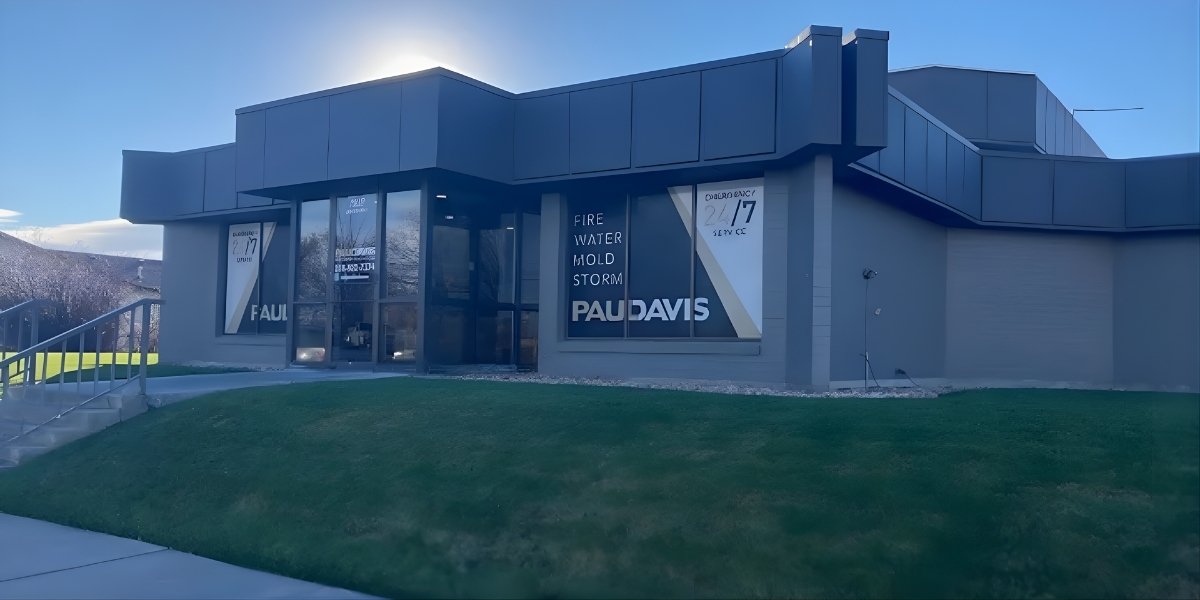
A Local Partner When Disaster Strikes

No one plans for a burst pipe, a septic backup, a roof leak after a storm, or a mold problem hiding behind the walls. For homeowners and business owners in Idaho, those moments are filled with stress, disruption, and uncertainty. That is when Paul Davis Restoration of Idaho steps in as a calm, reliable partner, focused on restoring both property and peace of mind.

With more than 30 years of experience serving communities across the state, the team at Paul Davis Restoration of Idaho has built its reputation on more than industry-leading equipment and techniques. The company is known for the way its people show up in a crisis, communicate throughout the process, and stand with customers until life feels normal again.

Whether the loss is a small residential incident or a large commercial catastrophe, their specialists respond around the clock, typically arriving within 60 to 90 minutes of the emergency call. From the very first visit, the focus is on reassurance, clear guidance, and a plan that makes a frightening situation feel manageable.

One Team Serving Every Corner of Idaho

Unlike many restoration providers that operate with separate franchise owners and different standards in each zip code, Paul Davis Restoration of Idaho operates as one unified team. From the Treasure Valley to East Idaho, customers receive the same values, processes, and communication style no matter where they live or work.

This consistent, statewide approach means property owners do not have to gamble on whether they will get an experienced crew. Every branch is backed by the same leadership, training, and systems, so a family in Idaho Falls and a business in Boise can expect the same high level of care and accountability.

It also means that when larger regional events occur, such as widespread flooding or storm damage, resources can be shared quickly and efficiently. The company’s depth of experience with both residential and commercial losses allows it to scale up as needed while still treating every project with personal attention.

Communication That Brings Clarity and Calm

What truly sets Paul Davis Restoration of Idaho apart is its commitment to communication. The team understands that for most people, a water, fire, or mold loss is not just a technical problem. It is an emotional one, filled with questions and worries.

From day one, every customer is “onboarded” with a clear packet that outlines what to expect, how the process works, and what steps to follow. Rather than glossing over hard conversations, the team prioritizes honest, transparent updates about timelines, challenges, and next steps. Customers are encouraged to hold the company accountable for the promises made at the start.

Because Paul Davis Restoration of Idaho has long-standing relationships with major insurance carriers across the state, the claims process is designed to be smoother and less confusing. All communication and estimates are handled in-house, which keeps homeowners and adjusters aligned and reduces delays. The goal is to remove as much of the administrative burden as possible, so customers can focus on their families, their employees, and their lives.

Real Stories of Homes Brought Back to Life

The impact of this approach is clear in the words of customers who have walked through some of the most stressful days of their lives. Matthew Williams, a homeowner in the Idaho Falls area, recalls how overwhelming it felt when his family’s septic tank backed up into the basement.

After a single call to Paul Davis Restoration of Idaho Falls, a crew arrived quickly, removed contaminated items, and began the cleanup. “Nathan did an excellent job managing the cleanup and even secured a storage unit for my family’s possessions,” Matthew shared. He explained that Nathan stayed in constant contact, coordinating with the insurance company, scheduling repairs, painting, installing new flooring, and finally moving everything back in. According to Matthew, “Nathan and the Paul Davis team did an amazing job and restored my basement to better shape than it was before.”

Another homeowner described returning from a trip to discover extensive water damage throughout a recently purchased home. Paul Davis Restoration was inside the property within hours, addressing the immediate emergency and then guiding the owners through the lengthy restoration and insurance process. From start to finish, project manager Nathan Prince and his team were thorough, organized, and consistently available by phone and text. Their expert opinions helped the owners make informed choices at every step, leaving them confident enough to recommend the company “for your restoration needs” to anyone facing a similar crisis.

Across Idaho, customers echo similar themes. They talk about technicians who arrive quickly, who are “super nice and really easy to work with,” who keep them calm when the situation feels overwhelming, and who leave homes “in better shape” than before the loss. These are not just construction projects. They are personal stories of families and businesses getting their spaces and their sense of normalcy back.

Certified, Full Service Restoration Under One Roof

Paul Davis Restoration of Idaho positions itself intentionally as a one-stop shop. The company does far more than dry out a room or tear out damaged materials. Its teams handle mitigation, contents, and repairs from start to finish. That includes water extraction, structural drying, mold remediation, smoke and odor removal, cleaning and storing belongings, and complete reconstruction work.

The organization is IICRC certified, which reflects adherence to industry standards and best practices for cleaning and restoration. Yet the leadership believes that technical training is only part of the equation. Hiring focuses first on character, empathy, and the ability to communicate clearly with customers who are having very difficult days. As the team likes to put it, they take care of the customer first, then take care of the property.

Free inspections are available, and in many cases estimates are provided at no charge when there is a good opportunity to move forward together. For situations where someone is primarily seeking the cheapest option, the company may charge an estimated fee, which helps protect time and resources for customers who value quality, service, and trust.

How To Reach Paul Davis Restoration of Idaho

Whether the problem is a flooded basement, a kitchen fire, a hidden mold issue, or a large commercial loss, homeowners and business owners across the state have a single, reliable resource in Paul Davis Restoration of Idaho. The team is on call 24 hours a day, seven days a week, with rapid response times and a commitment to guiding customers through every step of the journey from loss to full restoration.

Property owners can learn more about services, request a free inspection, or start the restoration process by visiting the Paul Davis Restoration of Idaho website at https://idaho.pauldavis.com/. For a closer look at projects, team members, and community involvement, they can follow along on Instagram at https://www.instagram.com/pdridahofalls/ and connect with the company on Facebook at https://www.facebook.com/callpauldavis.

In every corner of Idaho, from the first phone call to the final walkthrough, Paul Davis Restoration of Idaho strives to combine technical expertise with genuine care, restoring what matters most when customers need it most.


Why Precision Firms Are Replacing Volume Consultancies

For much of the last decade, professional services were defined by scale. Larger pipelines, faster delivery cycles, templated processes, and broad accessibility became the dominant markers of success. Firms were rewarded for how many engagements they could process, how quickly they could move, and how easily their services could be replicated across clients. Volume was equated with sophistication.

That model is now quietly breaking down.

As oversight standards evolve and approval pathways become less forgiving, organizations are discovering that volume-driven consulting often exposes them rather than protecting them. The margin for error has narrowed. The cost of correction has risen. And the systems that once rewarded speed increasingly penalize imprecision.

What is emerging in response is a different class of firm. Smaller by design. Narrower in scope. Built around interpretation, alignment, and risk containment rather than throughput. These firms are not optimized for mass adoption. They are optimized for accuracy in environments where errors carry real consequences.

This shift is not ideological. It is structural.

Government eligibility, compliance, and approval processes no longer operate as linear checklists. They function as interconnected systems in which ownership structure, documentation history, operational reality, and regulatory interpretation are evaluated together. Each element informs the others. When one component is misaligned, the entire application can stall, fail, or trigger downstream consequences that extend far beyond a single denial.

In this environment, volume has become a liability.

Firms built to process high quantities of engagements are incentivized to standardize. They rely on templates, assumptions, and generalized workflows that cannot fully account for nuance. While this approach may increase speed, it also introduces blind spots, particularly in regulated, high-scrutiny environments where agencies evaluate substance over presentation. What appears efficient on the consultant side can become fragile under review.

Precision firms operate differently.

Rather than expanding outward, they scale inward. Intake is controlled. Scope is deliberately limited. Each engagement is treated as a unique risk profile rather than a repeatable transaction. Documentation is reviewed the way regulators review it, not the way consultants prefer to explain it. Timelines are measured in months, not promises, because accuracy requires patience and verification.

This model requires restraint. It demands deeper analysis, closer scrutiny, and a willingness to say no when alignment is not present. But it also produces outcomes that withstand review, rather than simply reaching submission.

Importantly, this approach reflects a broader recalibration across professional services. As institutions face heightened oversight and increasingly rigorous accountability expectations, they are prioritizing partners who reduce exposure rather than amplify activity. Accuracy matters more than visibility. Restraint matters more than reach. The value proposition has shifted from how much work can be done to how well risk can be contained.

One example of this shift can be seen in firms like The Sellars Company, which have structured their practices around selective intake, diagnostic-led engagement, and full execution oversight rather than advisory volume. The Sellars Company is a government-compliance and approval execution firm supporting organizations operating in regulated, high-scrutiny environments. Their growth has not come from expansion, but from narrowing. Not from accessibility, but from control. By focusing on alignment before execution, such firms position approval as an outcome of discipline rather than as a function of effort.

This evolution is not driven by branding or trend adoption. It is driven by consequence.

As approval environments continue to harden, organizations will increasingly seek firms that understand not just how to submit, but how to withstand scrutiny over time. Compliance is no longer a one-time event. It is an ongoing system that must align with operational reality, governance, and documentation history. Firms that treat it as a transaction will struggle to keep pace.

The future of consulting in regulated spaces will belong to those who treat compliance as a system, not a service. The firms that survive this shift will not be the loudest. They will be the most precise.

Best Buy Winter Sale Brings Savings on Tech and Appliances

The highly anticipated Best Buy Winter Sale is now underway, offering shoppers significant discounts on a wide range of electronics and home appliances. Running through mid-January, the sale promises markdowns of up to 55% on products ranging from laptops and tablets to vacuums and kitchen appliances. For many consumers, this sale provides an opportunity to refresh gadgets and home essentials after the busy holiday season.

The event features deals on some of the most popular brands in tech, such as Apple, Dyson, Samsung, and Sony. Whether you’re looking for a new laptop, television, or household appliance, the sale has something for everyone. Shoppers can browse online or in stores, with deals covering everything from high-end electronics to everyday necessities.

As inflation continues to influence spending habits, the timing of this sale is especially valuable. With budgets stretched, the chance to snag deals on sought-after tech and appliances resonates with many shoppers. Best Buy’s Winter Sale is a reminder of the retailer’s status as a go-to destination for both big-ticket electronics and practical home goods.

Tech Deals Take Center Stage

Apple products, including the MacBook Air and iPad Pro, are among the most sought-after items in the Best Buy Winter Sale. With discounts on premium devices like AirPods and Beats headphones, shoppers can save on top-tier audio gear and sleek tech products. For those accustomed to paying full price for Apple devices, these markdowns offer a rare opportunity for savings.

Televisions from leading brands such as Samsung, LG, and Sony are also heavily discounted. Large-screen smart TVs, often considered major purchases, are available at up to 50% off, making them more accessible to a broader range of buyers. This is a significant draw for families looking to upgrade their home entertainment setups without overspending.

The sale also includes a variety of laptops and tablets, catering to students, professionals, and casual users. Microsoft Surface devices and Samsung Galaxy Tabs are among the offerings, ensuring that Best Buy’s Winter Sale appeals to a diverse customer base. Whether for work, school, or leisure, these deals provide a wide selection of tech to meet various needs.

Appliances and Everyday Essentials at Discounted Prices

While tech takes center stage, Best Buy’s Winter Sale also offers enticing discounts on home appliances. Dyson vacuums, known for their power and design, are marked down by up to 40%, making them an attractive option for households focused on cleanliness. These deals provide an opportunity to upgrade home essentials at a fraction of the cost.

The sale also features discounts on kitchen appliances, including coffee makers, blenders, and air fryers. These items, while not as glamorous as high-end tech, offer practical value to everyday consumers. Many shoppers consider these types of appliances essential for daily routines, making them a key component of the Winter Sale’s broad appeal.

By offering a mix of high-tech gadgets and household necessities, Best Buy ensures that the Winter Sale resonates with a wide variety of shoppers. This approach reflects a savvy understanding of consumer priorities in the new year, as many seek both convenience and value in their purchases.

Consumer Engagement and Buzz on Social Media

Seasonal sales have become major events in the retail calendar, and Best Buy’s Winter Sale is no exception. The event has sparked widespread conversations about value, timing, and lifestyle upgrades, particularly as shoppers look for ways to start the year with refreshed gadgets and home products. Social media has played a significant role in amplifying the buzz, with posts about discounted Apple devices, Dyson vacuums, and smart TVs quickly gaining traction.

Shoppers often share their finds and recommendations online, contributing to the event’s visibility and excitement. Hashtags like #BestBuyWinterSale and #TechDeals trend as customers showcase their purchases and compare deals. This social media engagement not only helps spread the word about the sale but also fosters a sense of community among bargain hunters.

For many, the Winter Sale is about more than just saving money—it’s also an opportunity to upgrade their home technology and align with seasonal expectations of renewal. Whether it’s upgrading a kitchen appliance or splurging on a new TV, the sale has become a key touchpoint for consumers eager to refresh their homes for the new year.

Shopper Strategies and Sale Flexibility

Shoppers approach the Best Buy Winter Sale with strategies based on past experiences. Many focus on high-ticket items like televisions, laptops, and major appliances, knowing these purchases offer the largest savings. Others focus on everyday essentials, seeking practical upgrades at reduced prices.

Best Buy’s same-day pickup and free shipping options add a layer of convenience to the shopping experience. These flexible options allow shoppers to secure deals online and quickly collect or receive their purchases, minimizing wait times and enhancing the appeal of the event in a fast-paced retail environment.

Price comparisons also remain a common tactic. While Best Buy’s Winter Sale offers substantial discounts, savvy shoppers often check competing retailers for matching deals or additional promotions. This reflects a broader trend in consumer behavior, where customers actively seek the best value before making a purchase.

What’s Next for Best Buy and Winter Shopping Trends

As the Winter Sale continues, industry analysts note its role in maintaining consumer engagement post-holiday season. Promotions like this help retailers maintain momentum during the quieter months of the year, keeping interest alive until spring sales events. Best Buy’s ability to offer both premium products and affordable items positions it as a leader in the electronics and appliance markets.

For shoppers, the Winter Sale represents a chance to balance aspiration with affordability. The ability to purchase high-quality products at reduced prices aligns with evolving consumer expectations, especially in a time of economic uncertainty. Best Buy’s Winter Sale serves as a reminder of how retailers can successfully cater to diverse consumer needs by offering both high-end items and practical essentials at competitive prices.

The Winter Sale also highlights the intersection of commerce and consumer habits. It’s not just about discounts, but about how customers navigate the complexities of value, timing, and lifestyle. As Best Buy continues to refine its seasonal promotions, the Winter Sale remains a key fixture in the retail calendar.

Disclaimer:
The information provided in this article reflects details available at the time of publication. Best Buy’s Winter Sale and the specifics of the discounts, including product availability and prices, are subject to change without notice. For the most up-to-date information, please refer to Best Buy’s official website or visit a store directly. Discounts and product selection may vary based on location and availability.

Building the Bridge: How YL Medical Created an Ecosystem Where Others Saw Only Chaos

The American healthcare industry generates $4.3 trillion annually, yet within this economic behemoth lies a paradox that has confounded entrepreneurs for decades. The system is massive, but fragmented. Profitable, but inefficient. Essential, but profoundly confusing to the very consumers it serves. Where most saw an unsolvable complexity, YL Medical identified an ecosystem waiting to be built. Their platform does not compete within healthcare’s existing structures. It constructs the connective tissue that those structures have always lacked.

The business insight was elegant in its simplicity. Healthcare education exists in silos. Insurance guidance exists in silos. Access to licensed advisors exists in silos. Patients bounce between these disconnected resources, gathering fragments of understanding that never coalesce into confident decision-making. YL Medical’s innovation was integration. By combining educational content, plan-comparison tools, benefits explanations, and direct connections to professionals, they created a single destination for healthcare navigation. This is not a marketplace. This is not a content library. This is an ecosystem, and ecosystems generate value that individual components cannot.

The platform’s architecture reflects a sophisticated understanding of user behavior. Individuals rarely arrive at healthcare questions through linear paths. Someone researching Medicare options may need to understand supplemental coverage, then require clarification on eligibility, and then want to speak with an advisor about their specific circumstances. Traditional resources force users to exit and re-enter different platforms at each stage. YL Medical maintains continuity. Their resource library informs the comparison tools. The comparison tools raise questions answered by deeper resources. The deeper resources create clarity that users can then verify with licensed professionals. Each element feeds the next, creating a journey rather than a series of disconnected stops.

The revenue model demonstrates equal sophistication. By positioning itself at the intersection of consumer need and professional service, YL Medical captures value on multiple fronts. Users access educational resources freely, building trust and establishing the platform as a credible authority. When those users require professional guidance for plan selection, eligibility verification, or coverage optimization, YL Medical connects them with vetted advisors who benefit from qualified, educated leads. This is not lead generation in the traditional sense. These are informed consumers who understand their needs and arrive at professional conversations ready to make decisions. The quality of the connection benefits all parties.

What distinguishes YL Medical from competitors who have attempted similar models is their commitment to comprehensiveness. Half-measures have defined healthcare technology for years. Platforms that offer comparison tools but no education. Resources that provide information but no human support. Advisor networks that deliver leads but no context. These partial solutions create partial value. YL Medical’s insistence on building the complete ecosystem required patience and investment that short-term thinking would not permit. The result is a platform without obvious gaps, a resource that users do not need to supplement with outside research.

The market timing could not be more favorable. Healthcare costs continue rising, placing greater pressure on individuals to optimize their coverage decisions. The aging population creates expanding demand for Medicare guidance and retirement health planning. The gig economy has shifted millions of workers from employer-sponsored coverage to individual market navigation. Each of these trends increases the need for exactly what YL Medical provides: education, guidance, and access delivered through a single integrated platform.

Industry observers have begun recognizing the model’s potential. The healthcare navigation space has attracted significant venture attention, but most investments have targeted narrow solutions addressing specific pain points. YL Medical’s ecosystem approach represents a different thesis entirely. Rather than solving one problem exceptionally well, they are solving the meta-problem of disconnection that makes every individual problem harder. This is infrastructure, and infrastructure scales.

The team’s background suggests they understand the magnitude of what they’re building. Healthcare confusion is not a bug in the American system. It is a feature that has persisted because it serves institutional interests. Disrupting that confusion requires more than clever technology or aggressive marketing. It requires the patient construction of an alternative, a parallel path that individuals can walk when the main road becomes impassable. YL Medical is laying that path, one resource and one connection at a time. The ecosystem is growing, and so is the opportunity.


Disclaimer: The information provided in this article is for general informational purposes only and should not be considered as insurance or financial advice. Readers are encouraged to consult with licensed insurance professionals or financial advisors to assess their specific needs and make informed decisions regarding insurance and healthcare coverage.

Clear Cane Chronicles: How Trust is the Foundation of Safety in Healthcare

In today’s healthcare landscape, safety remains a critical measure of quality, but it is no longer the only one that matters. As patients and members navigate rising complexity, shifting coverage rules, and the emotional weight of high-stakes health decisions, trust has emerged as an equally powerful indicator of whether a system feels safe.

For insurers, this shift carries major implications. It means that safety is no longer defined solely by error reduction and compliance. Safety now includes how confidently people can rely on their health plan to listen, respond, and support them. And trust is the bridge that connects those expectations to real-world experience.

Drawing on her work as a healthcare advocate and her lived experience navigating the system, Cynthia Overton, PhD, author of Clear Cane Chronicles: Shaping the Future of Healthcare through Person-Centered Care, illustrates how insurers can strengthen both safety and trust through person-centered frameworks that prioritize clarity, transparency, and partnership.

Why Trust Has Become a Core Safety Metric

Across healthcare, members are increasingly attuned to how organizations communicate, make decisions, and respond to concerns. They are watching how insurers behave not just in policy statements but in everyday interactions. In this environment, trust becomes more than a relational benefit, it becomes a protective factor.

When members trust their insurer, they are more likely to:

  • Share accurate information
  • Ask questions before issues escalate
  • Follow medical guidance
  • Use preventative services
  • Report concerns early
  • Stay loyal rather than switching plans

Trust influences behavior long before any metric is calculated. It shapes whether people feel safe, confident, and supported, or vulnerable, dismissed, and alone.

Even when clinical processes are accurate and claims are handled correctly, a lack of trust can make the experience feel unsafe. This is where person-centered care becomes essential.

Person-Centered Care as a Trust-Building Strategy

Person-centered care offers insurers a practical framework for strengthening both safety and trust. At its core, it shifts the focus from systems operating on autopilot to systems designed around real people with real emotions, needs, and vulnerabilities.

From Overton’s perspective, trust begins when organizations commit to seeing members as partners rather than as data points or transactions. That shift reshapes how insurers communicate, how they design policies, and how they support people through the complexities of care.

Communication That Reduces Uncertainty

Clear, compassionate communication is one of the most effective ways insurers can help members feel safe. When benefits, coverage rules, and care decisions are communicated in a way people can understand, the entire experience becomes more predictable and less intimidating.

Communication is not just an operational function, it is an assurance. It signals to members that their insurer respects them enough to explain, guide, and support them without jargon or barriers. This clarity forms the foundation on which trust grows.

Partnership as Proof of Reliability

Every interaction between an insurer and a member is an opportunity to reinforce trust. Person-centered insurers view these touchpoints as moments to demonstrate reliability and responsiveness, not just efficiency.

This can look like:

  • Designing benefits with real member feedback
  • Providing live guidance during complex transitions
  • Following up after issues are raised
  • Ensuring members never feel “lost in the system”

Through patterns of consistency and follow-through, insurers show that members’ well-being is the priority. Over time, these practices build a reputation for being dependable, a reputation that becomes core to safety itself.

Transparency That Prevents Harm

Unclear policies, unexplained denials, and ambiguous coverage decisions undermine trust more quickly than almost any other factor. Transparency reverses that effect.

When members understand why decisions are made and what their options are, they feel included rather than excluded. Transparency reduces confusion, prevents small errors from becoming major issues, and creates a sense of stability in a system that often feels unpredictable.

Insurers that prioritize transparency signal that the relationship is a partnership, one built on honesty, clarity, and respect.

A Patient’s Perspective That Benefits the Industry

What makes Overton’s work especially relevant to insurers is her vantage point. She writes from inside the system, as someone who has personally navigated its gaps, strengths, and complexities. Her experiences reveal the subtle moments where trust is bolstered, or quietly eroded.

These insights help insurers identify opportunities to redesign processes, improve communication, and build experiences that feel safer and more human. Clear Cane Chronicles transforms patient experiences into actionable guidance for organizations committed to strengthening trust.

Trust: The Future of Safety in Insurance

Clinical accuracy and operational efficiency will always matter. But in a healthcare landscape defined by complexity and rapid change, the organizations that thrive will be the ones that invest just as deeply in trust as they do in safety.

Trust is what determines whether members feel cared for.
Trust is what determines whether they stay, engage, or advocate for themselves.
And trust is what strengthens safety long before any formal metric is recorded.

For insurers committed to person-centered care, trust is not a soft standard. It is a strategic advantage, and a path toward delivering care experiences that feel both safe and supportive.

Explore More and Connect with Cynthia Overton

Learn more about her work, insights, and commitment to advancing equitable, person-centered, and safe healthcare for all.

🌐 www.cynthiaoverton.com
📘 Clear Cane Chronicles: Shaping the Future of Healthcare through Person-Centered Care
🔗 LinkedIn: https://www.linkedin.com/in/cynthia-overton/


Disclaimer: This article is intended for informational purposes only and should not be construed as medical advice. Always consult a qualified healthcare professional for advice regarding your personal health or medical condition.

How AI Inventory Systems Are Transforming U.S. Retail Logistics

AI inventory systems are changing how U.S. retail logistics operate, not through flashy tech jargon, but by solving everyday problems that have long frustrated store managers, warehouse teams, and supply chain planners. From miscounted stock to delayed shipments, the retail supply chain has always had its share of headaches. AI doesn’t erase those challenges overnight, but it’s helping retailers make smarter decisions with fewer errors and less guesswork.

An AI inventory system is a tool that learns patterns from data. It doesn’t just track what’s on the shelf or in the backroom, it predicts what will be needed, when, and where. That might sound simple, but the ripple effect across retail logistics is significant. Stores can avoid overstocking items that won’t sell, reduce waste from expired goods, and keep popular products available without constant manual checks. It’s not magic, just math and machine learning working together to make things run smoother.

Predictive Accuracy Is Changing the Game

One of the biggest shifts brought by AI inventory systems is how they handle forecasting. Traditional methods often rely on historical sales data and seasonal trends, which can be helpful but also limited. AI systems go further by analyzing real-time data from multiple sources, point-of-sale systems, weather forecasts, local events, and even social media chatter. This allows retailers to anticipate demand more precisely.

How AI Inventory Systems Are Transforming U.S. Retail Logistics

Photo Credit: Unsplash.com

For instance, if a heatwave is expected in a certain region, the system might predict a spike in sales for cold beverages and adjust inventory orders accordingly. If a product starts trending online, the system can flag it and recommend restocking before shelves run empty. These kinds of predictions aren’t just theoretical, they’re already being used to reduce stockouts and improve customer satisfaction.

It’s understandable that some retailers might feel overwhelmed by the idea of trusting a machine to make inventory decisions. After all, inventory management has long been a hands-on process. But AI doesn’t replace human judgment, it supports it. Managers still make the final call, but they’re working with better information than ever before.

Reducing Waste and Improving Sustainability

Retail logistics isn’t just about getting products from point A to point B. It’s also about minimizing waste, especially in sectors like grocery and apparel where unsold items can expire or go out of style quickly. AI inventory systems help by identifying slow-moving products early and adjusting future orders to avoid excess.

This kind of optimization has a direct impact on sustainability. Less waste means fewer items ending up in landfills and less energy spent on transporting goods that won’t sell. It also helps retailers save money by reducing markdowns and disposal costs. In a business where margins are tight, these small improvements add up.

Some stores are even using AI to manage perishable goods more efficiently. By tracking shelf life and sales velocity, the system can suggest markdowns at the right time to encourage purchases before expiration. It’s a subtle shift, but one that makes a big difference in both profitability and environmental impact.

Streamlining Warehouse and Fulfillment Operations

AI inventory systems aren’t just useful at the store level, they’re also reshaping how warehouses operate. In traditional setups, warehouse staff rely on manual counts and static spreadsheets to manage stock. That process is slow, prone to error, and hard to scale. AI systems automate much of this work by using sensors, cameras, and predictive algorithms to monitor inventory in real time.

This means fewer mistakes, faster order processing, and better coordination between warehouses and retail locations. If a store runs low on a product, the system can automatically trigger a restock from the nearest warehouse, factoring in delivery times and transportation costs. It’s not just about speed, it’s about making sure the right product gets to the right place at the right time.

Retailers with online sales channels also benefit from AI-driven fulfillment. These systems can prioritize orders based on urgency, location, and inventory availability, helping reduce shipping delays and improve customer experience. It’s a quiet but powerful shift that’s helping retailers compete more effectively in a crowded market.

Managing Supply Chain Disruptions More Effectively

Supply chain disruptions have become a familiar challenge for retailers, whether due to weather events, transportation delays, or unexpected demand spikes. AI inventory systems offer a way to respond more quickly and intelligently. By monitoring supply chain data in real time, these systems can flag potential issues before they escalate.

If a shipment is delayed, the system might suggest rerouting inventory from another location or adjusting promotional plans to focus on available products. If demand surges unexpectedly, it can recommend temporary substitutions or alternative sourcing options. These aren’t perfect solutions, but they help retailers stay flexible and avoid major losses.

It’s easy to feel frustrated by how unpredictable logistics can be. AI doesn’t eliminate that unpredictability, but it does offer tools to manage it more effectively. Retailers aren’t left guessing, they’re working with insights that help them adapt faster and smarter.

Balancing Automation With Human Oversight

While AI inventory systems offer clear benefits, they also raise questions about how much control should be automated. Retail logistics involves more than just numbers, it’s shaped by local preferences, store layouts, and human relationships. That’s why most retailers use AI as a support tool rather than a replacement for human decision-making.

The best results often come from a hybrid approach. AI handles the data-heavy tasks like forecasting and tracking, while managers focus on strategy, customer service, and adapting to local conditions. This balance allows retailers to stay efficient without losing the personal touch that defines good retail.

Some teams have even found that AI frees up time for more meaningful work. Instead of spending hours on manual inventory checks, staff can focus on improving store presentation or helping customers. It’s not about replacing jobs, it’s about shifting them toward higher-value tasks.

How AI Inventory Systems Are Transforming U.S. Retail Logistics

Photo Credit: Unsplash.com

AI inventory systems are quietly reshaping U.S. retail logistics by making everyday operations more accurate, responsive, and efficient. From forecasting demand to managing warehouse stock, these tools help retailers solve problems that have long slowed them down. The technology isn’t flashy, and it doesn’t promise perfection, but it’s helping stores run smarter and smoother.

For those who’ve struggled with inventory headaches, missed shipments, wasted stock, or unpredictable demand, AI offers a way forward that’s grounded in data and built for real-world challenges. It’s not a silver bullet, but it’s a step toward better logistics and more reliable retail operations.

From Fragmented Transfers to Global Platforms: How Airport Transportation Is Scaling Airport Mobility Worldwide

Airport ground transportation has been a fragmented market for a long time, with local operators, informal arrangements, and uneven service expectations prevailing. Locally, arriving at different airports for several decades, the same questions were on travelers’ minds: what means of transportation to take? Taxis, hotel shuttles, or last-minute rides? This was often done with little information about prices and availability. Airport transfers had to be as predictable as possible and coordinated as the number of international travelers kept growing and digital booking habits became standard across airlines and accommodations. The shift has led to the emergence of platform-based solutions that aim to organize a historically disjointed segment of the travel industry.

Before the change, airport transportation was a local business in most cases. The locals themselves, that is, individual drivers or small fleets, were able to negotiate access to terminals, set their rates, and the quality of the service was dependent on local regulation and oversight. Although language barriers, unclear fares, and inconsistent pickup procedures, travelers to new places had to manage.

With worldwide travel becoming more accessible and digital booking more familiar, trip planners had higher expectations for the service. Pre-booked transportation, fixed pricing, and arrival confirmation are mainly what travelers are increasingly seeking nowadays. In this scenario, companies like Airport Transportation have come to the forefront as part of a global mobility movement toward centralized platforms that coordinate airport mobility across regions.

The inception of Airport Transportation’s operations can be traced back to the early 1990s, when its activities were closely linked to the travel and tourism industries. The period was such that transportation coordination was mostly handled as a side provision within the wider travel arrangements, rather than as a separate division. The initial experiences mirrored the times, with all bookings done manually and services dependent on local knowledge and personal relationships.

The major change in direction occurred in 2010, when online reservation operations were introduced. The shift was in line with broader changes in travel technology, as airlines, hotels, and tour operators were all moving their booking systems online. By using digital platforms, transportation providers can accept bookings at a central location, standardize information, and even control demand from multiple locations simultaneously, allowing them to expand later.

Airport Transportation LLC was formed as a separate entity in the United States on November 24, 2023. The company is registered in Florida and has its main office in Miami. The incorporation of this company recognized the different activities that had been structurally engaged in the travel sector and the consolidation of organizational levels.

CEO Noël Urbain is the one the company board has entrusted to run the daily operations. According to publicly available materials, the company is primarily focused on growth and on standardizing service delivery through the platform model rather than owning vehicle fleets. This approach emphasizes coordination, oversight, and platform management across multiple markets.

Airport Transportation is a marketplace that connects travelers with local transportation providers. Unlike asset-heavy models that depend on company-owned fleets, this structure relies on partnerships with regional operators who provide vehicles and drivers. The platform handles booking, payments, and customer communication, while the local providers provide the service.

Centralized systems are a central element of this model. Booking interfaces, customer support channels, and service guidelines are under the platform’s control. This setup allows an overview of different regions with varying regulatory environments while preserving the same booking procedures and customer interaction protocols.

The platform offers private transfers in a sedan, sport utility vehicle, van, or group transport. These are usually pre-booked and equipped with features like flight monitoring and a generally agreed-upon pickup at the airport.

At some locations, there are also shared shuttle services you can subscribe to. These services pool passengers headed to the same area and are generally found in the leisure market, where cost is the deciding factor for the mode of transportation.

Some other services you can find in certain places include the option of a larger vehicle, ensuring your child is properly seated, pet transport, and drivers who speak two languages. The availability of these depends on the market and the capabilities of the local providers.

Airport Transportation has, first and foremost, given priority to airports with a high number of passengers and a strong flow of tourism. Recreational areas and large metropolitan centers exhibit not only consistent demand patterns but also infrastructure that facilitates coordinated pickup and drop-off operations.

By 2025, the company has expanded its presence to the Americas, Europe, and other markets worldwide. The publicly disclosed company is the one with airports in Cancun, Punta Cana, Miami, London, Paris, Rome, Naples, Istanbul, Athens, and Bangkok. The choice of extensions seems to be influenced by airport density, international travel demand, and tourism in the region.

Airport Transportation launched its worldwide booking platform to the public in March 2025. The rollout integrated worldwide booking capabilities with centralized customer support systems, helping travelers to arrange airport transfers across multiple regions through a single interface.

This platform integrates with other digital travel services that simplify travel by showing flights, accommodations, and ground transportation options. Although it is not a substitute for ride-hailing or local taxis, this model can be seen as part of a move toward pre-arranged airport mobility within the broader travel technology landscape.

The transportation system at the airport is based on a platform that sits between traditional taxis, hailing a ride via an application, and hotel-operated shuttles. Different regulatory considerations, pricing structures, and operational constraints are the three aspects that vary from one to the other. Platform models must carefully navigate local licensing requirements, airport access rules, and the trustworthiness of partners while engaging in centralized coordination.

Customer experience considerations are also different. Pre-booked transfers help reduce uncertainty, but they rely on accurate data exchange between airlines, platforms, and local providers. As more travelers digitally plan their end-to-end journeys, airport transportation platforms are becoming increasingly responsive to these demands.

The changes in airport ground transportation mirror broader shifts in the organization and consumption of travel services. Platform-based coordination brings standardized booking and oversight to a sector long heavily influenced by local variability. Airport Transportation is a case study of how these models are being implemented across international markets, especially in large-volume travel hubs. The role of centralized platforms in airport mobility, as expansion continues and regulatory environments change, remains a developing area in the global travel industry.


Walmart Drone Delivery Expands Service to Hundreds of U.S. Locations

Walmart’s partnership with Wing is entering a new phase, marking a significant leap forward in the world of retail logistics. By 2027, the retail giant aims to expand its drone delivery program to hundreds of locations across the United States, signaling a bold move to incorporate new technologies to meet the growing demands of e-commerce shoppers.

Walmart’s Drone Delivery Expansion Plans

Walmart has already made inroads in drone technology with its partnership with Wing, Alphabet’s drone subsidiary. Over the past year, the service has proven successful in test markets like Dallas-Fort Worth and Atlanta, where customers have shown a strong preference for receiving small packages by drone. This positive reception has driven the company to extend its drone hubs to more than 270 locations across the country, with plans to expand further in the coming months.

The expansion is expected to bring drone delivery to major metropolitan areas such as Los Angeles, Miami, St. Louis, and Cincinnati. This move aligns with Walmart’s long-term strategy to incorporate cutting-edge technologies that improve speed and reduce the burden on traditional delivery systems. By setting up delivery hubs near their stores, Walmart can use drones to fulfill orders quickly, bypassing congestion and delays that often occur with ground transportation.

This initiative will give more than 40 million Americans access to Walmart’s drone delivery service. For customers, the promise of quick, convenient, and contactless delivery is an appealing addition to the company’s already diverse fulfillment options. With Walmart planning to scale this service across the nation, drone delivery could become a mainstream option in everyday retail logistics.

How the Walmart Drone Delivery Service Works

The core of Walmart’s drone delivery program is powered by Wing, which handles the technology and logistics. The drones themselves are designed to fly autonomously, relying on GPS systems and onboard sensors to navigate to customers’ locations. Each drone is capable of carrying lightweight packages, typically small household goods, groceries, or essential medications.

Orders are placed through Walmart’s mobile app, where eligible items are designated for drone delivery. Once an order is confirmed, the package is prepared at the store and loaded into a Wing drone. The drone then takes off from a launch site near the store and travels autonomously to the designated delivery area.

The drones are equipped with safety features designed to prevent accidents during flight. Upon arrival, the drones lower the package to the ground using a tether system, a mechanism that ensures the package is delivered safely and without direct contact. This method also ensures precision, preventing the risk of package damage while maintaining safety standards.

Expanding Access to New U.S. Cities

The upcoming expansion will extend Walmart’s drone delivery service to additional major cities, including Los Angeles, Miami, St. Louis, and Cincinnati. The plan will increase the geographic reach of drone deliveries, which Walmart anticipates will make the service accessible to over 40 million Americans. This expanded access brings the drone delivery network closer to the company’s goal of providing fast, efficient service for a broad customer base.

Walmart Drone Delivery Expands Service to Hundreds of U.S. Locations

Photo Credit: Unsplash.com

This national rollout will likely help Walmart enhance its presence in competitive urban markets where delivery speed and convenience are key differentiators. Through this expansion, Walmart will be able to target not only large metropolitan areas but also surrounding suburban communities. This dual approach will allow the company to make the service widely available while optimizing its logistics network.

Customer Adoption and Demand Trends

The success of Walmart’s drone delivery service can be measured in part by the level of customer engagement. Wing has reported that its top customers in Dallas-Fort Worth and Atlanta now place drone orders approximately three times a week. Over the past six months, delivery demand in these regions has increased by threefold, indicating that customers are embracing the convenience of rapid deliveries.

The customer experience with drone deliveries has been largely positive, with many praising the speed of delivery and the ability to receive small items without leaving home. The integration of real-time tracking notifications has also proven valuable for customers, as it allows them to monitor the status of their order from start to finish. For busy individuals and families, the option of having essential items delivered in a matter of minutes is a significant advantage.

Drone delivery is designed for smaller, lighter items, so customers will still need to rely on traditional shipping methods for larger purchases. However, for those looking to quickly restock on household goods or pick up essential items, the addition of drones provides a seamless and efficient alternative.

Impact of Drone Delivery on Retail Logistics

Walmart’s drone delivery program represents an important step in the evolution of retail logistics. With the rise of e-commerce, customers have come to expect faster delivery times and greater convenience. Walmart’s use of drones for quick, short-distance deliveries addresses a specific gap in the market, offering a solution for small orders that can be fulfilled almost instantly.

Analysts believe drone delivery could play an important role in alleviating pressure on traditional delivery systems, especially during peak times or in areas with high demand. By offering this supplemental delivery method, Walmart is enhancing its ability to serve customers more efficiently, particularly in densely populated areas where traffic congestion can slow down ground transportation.

Additionally, drone delivery could help Walmart reduce its carbon footprint by eliminating the need for gas-powered vehicles on short trips. This sustainable aspect of the initiative aligns with the growing trend of businesses incorporating eco-friendly solutions into their operations.

As the program continues to expand, Walmart will refine its approach based on customer feedback and demand patterns. This iterative process ensures that drone delivery can grow into a permanent fixture of Walmart’s logistics strategy, helping it stay ahead of the competition in an ever-changing retail landscape.

Paul Davis Restoration of Asheville Delivers 24/7 Full‑Service Restoration Across Western North Carolina

Asheville, NC, October 30, 2025: Paul Davis Restoration of Asheville announces continued, around‑the‑clock support for Western North Carolina homeowners and businesses facing water, fire, storm, and mold emergencies. The locally operated team provides true full‑service restoration, from rapid mitigation through complete reconstruction, with a typical emergency response time within 90 minutes. The operation is certified by the Institute of Inspection, Cleaning, and Restoration Certification and staffed by trained professionals who have passed comprehensive background checks. Every project is guided by clear, consistent communication and backed by a 1-year workmanship assurance.

Rapid Response When Every Minute Counts

When property damage strikes, speed and clarity shape outcomes. The Asheville team mobilizes at any hour to stabilize scenes, protect belongings, and prevent secondary damage. That urgency was put to the test after Hurricane Helene on September 27, 2024, when fallen trees and heavy rains damaged homes across the region. One Asheville homeowner reported that Project Manager Sharon Green arrived within a day and set a professional tone from the first conversation: “We were so impressed by her knowledge and level of professionalism we hired her on the spot.” The homeowner added that the company “took care of us in a timely fashion and were extremely attentive to our questions and concerns,” ultimately restoring the home “even better than we found it.”

Residents experiencing interior water loss tell similar stories. “Their communication was perfect and they explained everything to us so we understood the process,” shared Clara Cahill, who praised the crew’s fast drying and insurance coordination. Others describe meticulous daily moisture checks, careful content handling, and tidy work areas. From packing and moving belongings to controlling dust and debris, the team focuses on protecting what matters while the structure is stabilized.

Mitigation Through Reconstruction, Backed by a 1 Year Assurance

Unlike providers that exit after the drying phase, Paul Davis Restoration of Asheville is built for continuity. The same organization that arrives for emergency mitigation can carry the project through demolition, repairs, finish carpentry, and final cleaning. That cradle‑to‑completion model reduces handoffs, paperwork, and delays, while giving property owners a single point of accountability. The company’s 1-year assurance on workmanship reinforces that commitment to quality. Weekend appointments are available by request for non‑emergency phases, helping families and businesses stay on schedule.

Certified, Background‑Checked Professionals

Restoration work happens inside homes and workplaces, often under stress. To protect clients and maintain high standards, all field team members meet industry training requirements and complete full background checks. IICRC‑certified specialists lead water mitigation, structural drying, and microbial remediation. Project managers coordinate skilled trades for reconstruction, and content care teams pack, label, and return items with precision. Reviews frequently name team members for standout effort, reflecting the company’s emphasis on professionalism and courtesy on-site.

Insurance Guidance and Transparent Assessments

Navigating an insurance claim can be confusing. The Asheville office works with all major carriers and provides the documentation adjusters expect, from detailed estimates to moisture logs and photo records. The company offers a free inspection and assessment to help property owners understand the scope and next steps. If a written estimate is requested outside of a claim or for planning purposes, a fee applies. Throughout the process, clients hear what will happen, when it will happen, and who will be on site. That clarity reduces surprises and keeps projects moving.

Committed to Community Access and Care

Accessibility and inclusion are part of the office experience. The facility offers a wheelchair accessible entrance, parking, restroom, and seating, along with a gender‑neutral restroom. On‑site parking is available with a free parking lot. Spanish language assistance is offered for families who prefer to communicate in Spanish. These details may seem small in the middle of a crisis, yet they help clients feel welcome and supported.

Service Areas at a Glance

Paul Davis Restoration of Asheville serves Asheville, Hendersonville, Mills River, and surrounding communities, with targeted ZIP codes including 28803, 28759, and 28791. Whether a pipe break threatens flooring, smoke affects indoor air quality, or storm debris compromises a roof, the team brings structured plans and respectful service to every address.

Connect and Learn More

Property owners can explore services, request emergency help, or schedule a consultation by visiting the local website for Paul Davis Restoration of Asheville. For project spotlights, preparedness tips, and behind‑the‑scenes looks at mitigation and rebuilds, follow the office’s YouTube channel. Community updates and recent reviews are also shared on the company’s Facebook page.

About Paul Davis Restoration of Asheville

Paul Davis Restoration of Asheville provides 24/7 emergency response and full‑service reconstruction for residential and commercial properties across Western North Carolina. Services include water and fire damage mitigation, mold remediation, storm response, and complete rebuilds. The team responds within typical 90‑minute windows, carries IICRC certification, and staffs every project with background‑checked professionals. From first call to final walkthrough, the office emphasizes thorough communication and stands behind its workmanship with a 1-year assurance.

OpenAI Launches ChatGPT Health to Help Users Review Medical Records

OpenAI has launched ChatGPT Health, a specialized version of its conversational AI designed to help users better understand their medical records. This tool marks a significant move into the healthcare sector, where artificial intelligence is beginning to play a larger role in assisting patients with complex health information.

ChatGPT Health allows users to link electronic health records and wellness apps, such as fitness trackers, to the platform. By connecting this data, individuals can gain a clearer understanding of their medical history, prescriptions, and overall wellness data. This integration aims to streamline preparation for doctor visits and improve communication between patients and healthcare providers.

While OpenAI emphasizes that ChatGPT Health is not a substitute for professional medical advice, it is presented as a support tool that helps users interpret their health data. This positioning reflects OpenAI’s cautious approach to integrating AI into the healthcare space.

Features and Security Measures

ChatGPT Health incorporates robust encryption and privacy features to safeguard sensitive information. Conversations related to health are compartmentalized, ensuring that medical data remains secure. The platform is designed with user privacy at the forefront, aligning with regulatory standards for handling health information.

Once connected to health records, fitness trackers, and wellness apps, ChatGPT Health is capable of analyzing patterns, tracking progress, and providing explanations for medical terminology. This functionality is intended to make health data more accessible and easier to understand, reducing the intimidation factor often associated with complex medical information.

OpenAI worked closely with healthcare professionals during the development of ChatGPT Health to ensure its functionality aligns with real patient needs. This collaboration reinforces the seriousness of the initiative and aims to ensure the tool provides medically relevant and accurate information.

Public Reaction and Industry Response

The launch of ChatGPT Health has sparked significant discussion across both technology and healthcare communities. Supporters view the tool as a breakthrough in patient empowerment, arguing that it can help users better understand their medical records and make more informed decisions about their health.

However, critics have raised concerns regarding the potential for AI misinterpretation of medical data. While AI is a powerful tool, there are fears that generative models could misunderstand complex medical terms and lead to confusion. Experts stress the importance of maintaining human oversight in healthcare applications, especially when it comes to health data.

Despite these concerns, public interest remains high. Social media and industry discussions reflect both enthusiasm and caution, with many users eager to explore ChatGPT Health, while acknowledging its limitations. These conversations mirror broader debates about the role of AI in various aspects of daily life.

Simplifying Health Data

ChatGPT Health represents a shift in how patients engage with their medical records. The tool’s goal is to simplify the often-complex language of medical records and make it more understandable to a broader audience. Medical records, which can often be difficult to interpret due to technical language and fragmented systems, are made clearer through the platform’s accessible explanations.

By offering medical explanations in plain language, ChatGPT Health aims to bridge the knowledge gap between patients and their health data. For many, this represents a more user-friendly approach to engaging with their own medical history, enhancing transparency in healthcare.

The tool addresses an increasing demand for healthcare technology that empowers patients. As more individuals seek to take control of their health, tools like ChatGPT Health are seen as a step toward greater patient autonomy.

Risks and Safeguards

OpenAI has acknowledged the risks associated with integrating AI into healthcare. While ChatGPT Health provides valuable support, it is not intended to replace medical professionals. OpenAI emphasizes that the tool is meant to assist with interpreting data, but users are reminded to consult healthcare providers for diagnosis and treatment.

To mitigate risks, ChatGPT Health incorporates several safeguards, including encryption and data isolation. Additionally, users are given clear disclaimers about the tool’s limitations to reinforce its supportive role in healthcare, rather than as a diagnostic system.

Industry experts note that building trust in AI-driven healthcare tools will depend on transparent communication. Clear guidelines on what ChatGPT Health can and cannot do will be essential in ensuring its acceptance among patients and healthcare providers.

Future Prospects for ChatGPT Health

The rollout of ChatGPT Health begins with a waitlist, with broader availability expected later in 2026. OpenAI plans to expand features based on user feedback and potential partnerships with healthcare providers. As the tool evolves, its success will depend on how well it integrates with existing healthcare systems.

Experts predict that AI-driven healthcare tools will become increasingly common, as patients demand more accessible and personalized information. As companies compete to offer secure, user-friendly solutions, ChatGPT Health is positioned as an early leader in this growing market.

Ultimately, the launch of ChatGPT Health marks a significant development in how technology intersects with healthcare. By offering a new way for patients to review and understand their medical records, OpenAI is contributing to the ongoing shift toward more accessible and patient-centered healthcare.


Disclaimer:
The information provided in this article is based on publicly available sources and official statements from OpenAI. ChatGPT Health is designed as a support tool and is not intended to replace professional medical advice, diagnosis, or treatment. Users are encouraged to consult healthcare providers for any medical concerns or questions. OpenAI emphasizes that while the tool aims to assist in interpreting health data, human oversight is essential when making medical decisions.